



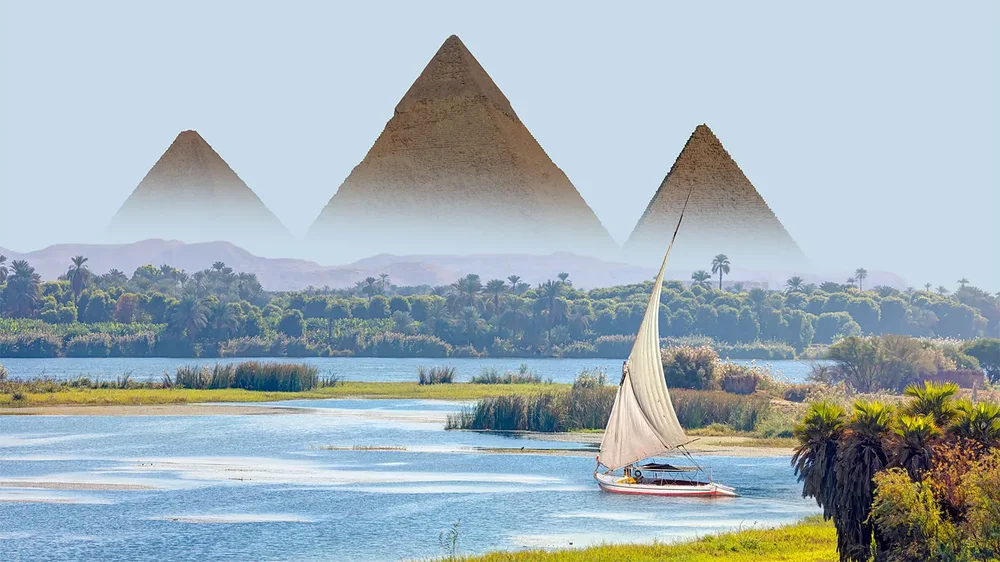
Over 1.5 billion international tourists traveled abroad in 2025, paving the way for a record year in 2026. According to the World Tourism Barometer published by the UN World Tourism Organization, international arrivals grew by 4% globally, approaching the annual average of around 5% in the period 2009–2019. Although Europe remains the most visited region in the world with nearly 800 million visitors and a 6% increase compared to 2024, the fastest growing countries are not the traditional destinations. Brazil recorded a 37% increase, Egypt 20%, Ethiopia 15% and Bhutan 30%. Seychelles also recorded a 13% increase.
According to industry experts, tourists are increasingly orienting themselves towards destinations with strong cultural identity, unique landscapes and authentic experiences, avoiding places already overwhelmed by mass tourism.
Egypt: the new museum and the restoration of faith
Egypt's strong growth is largely due to the long-awaited opening of the Grand Egyptian Museum near the Pyramids of Giza, as well as improved perceptions of safety. Tour operators report increased interest from families and solo travelers, especially women. More relaxed, personalized tourism, such as traditional Nile cruises instead of large cruises, is also being promoted.
Brazil: new policies and diversification
Brazil has seen the biggest annual growth thanks to policies to increase international flights and global promotion. Major events such as the Olympics, the World Cup and other sporting events have increased the country's visibility. In addition to its well-known beaches, the country is promoting new destinations and more conscious experiences, avoiding a focus on cities like Rio de Janeiro and São Paulo.
Ethiopia: recovery from crisis
After several years of decline due to conflict in the Tigray region, Ethiopia is experiencing a strong tourism rebound. Investments in infrastructure, hotels and international promotion have increased visitor confidence. Historic destinations such as Lalibela and the Simien Mountains are once again attracting tourists interested in history, culture and nature.
Seychelles: beyond the honeymoon
Traditionally known as a couples' destination, Seychelles is now attracting families and wellness-focused tourists. The country emphasizes environmental protection, conserving 30% of its marine territory and ensuring that there are no private beaches, making the archipelago accessible to all.
Bhutan: high-value tourism
Bhutan continues its “high value, low volume” policy, applying a sustainable development daily fee to tourists. The country promotes authentic cultural and spiritual experiences, focusing on well-being and the concept of Gross National Happiness, rather than uncontrolled growth in visitor numbers.
In conclusion, the 2026 trend shows that tourists are seeking more meaningful experiences and less common destinations, shifting attention from traditional centers towards developing countries with strong cultural and natural identity.