About 80% of patients with autoimmune diseases are women, highlighting a deep gender gap in modern healthcare.
Nearly 50 million Americans live with autoimmune diseases, and a shocking 80% of those affected are women. This vast disparity is linked to a complex combination of biological, genetic, and cultural factors.
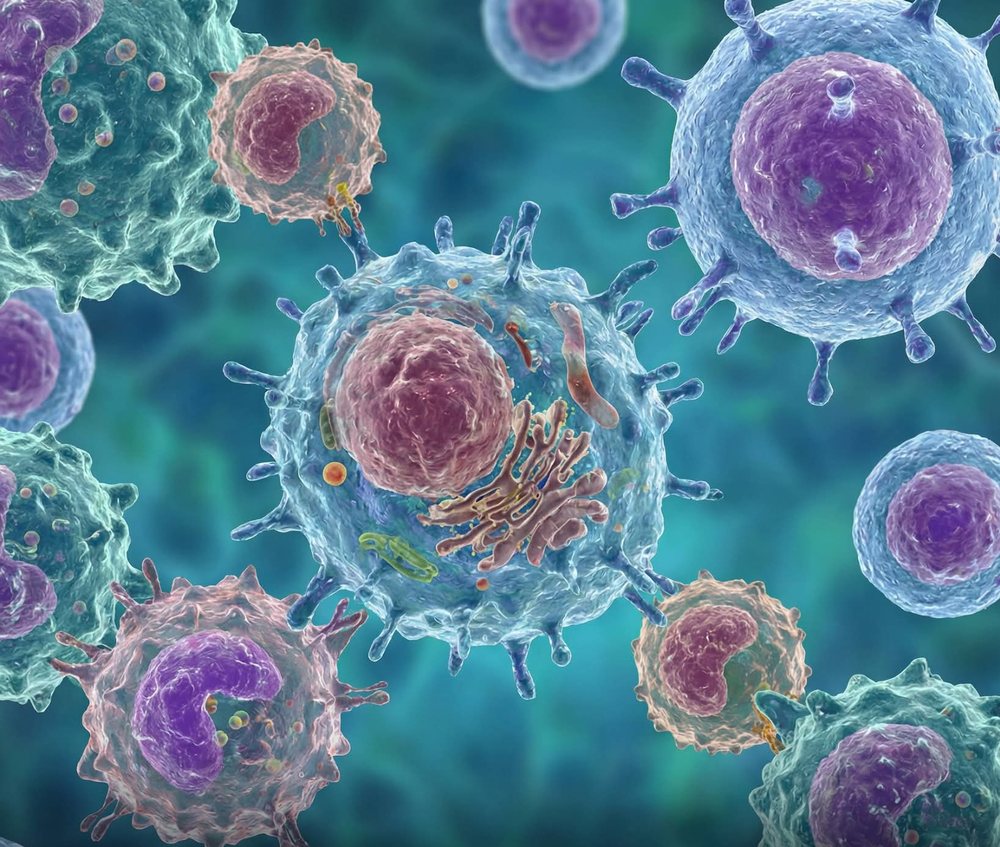
From a biological point of view, the X chromosome and higher levels of activated B cells play an important role. These cells are essential for fighting infections, but in some cases they can "go crazy" and trigger the immune system to attack healthy body tissues.
Diseases such as Lupus and Sjögren's syndrome exhibit extreme gender differences, with women affected up to 19 times more often than men, especially during the period between the ages of 20 and 50.
Beyond genetic factors, researchers also highlight the influence of hormonal fluctuations, the gut microbiome, and environmental factors — such as repressing emotions or constantly dealing with family stress — as elements that may contribute to the increase in these chronic conditions.
Symptoms such as profound fatigue and joint stiffness are often minimized or misdiagnosed, leading many women to spend years searching for a definitive answer to their health problems. Although there is currently no cure for the over 140 identified types of autoimmune diseases, advances in targeted therapies are offering hope for more effective disease management and improved quality of life.