


Rivalry has always been a driving force in the history of art. From antiquity to the 19th century, clashes between artists have not only inflamed egos, but have produced works that have shaped world culture.
One of the earliest cases dates back to around 400 BC, when the legendary painters Zeuxis and Parrhasius faced off to prove who was the greater master. Zeuxis painted grapes so realistic that birds tried to eat them. But Parrhasius won the contest when he painted a curtain so convincing that Zeuxis himself was fooled trying to open it. The lesson was clear: to win, you have to fool the fool.
More than two thousand years later, in London in 1832, an equally famous artistic duel took place between JMW Turner and John Constable. When their works were exhibited side by side at the Royal Academy, Constable presented a grand, years-long painting, while Turner presented a much smaller seascape. In a swift gesture, Turner added a bright red stain to his painting, diverting the public’s attention and changing the balance of the “match.” Constable responded with the now legendary remark: “He’s been here and fired a gun.”
This rivalry is today the focus of a major exhibition at Tate Britain, which shows how the competition between the two British Romantic painters directly influenced their style and legacy.
But Turner and Constable are not the only ones. Art history also knows other iconic clashes:
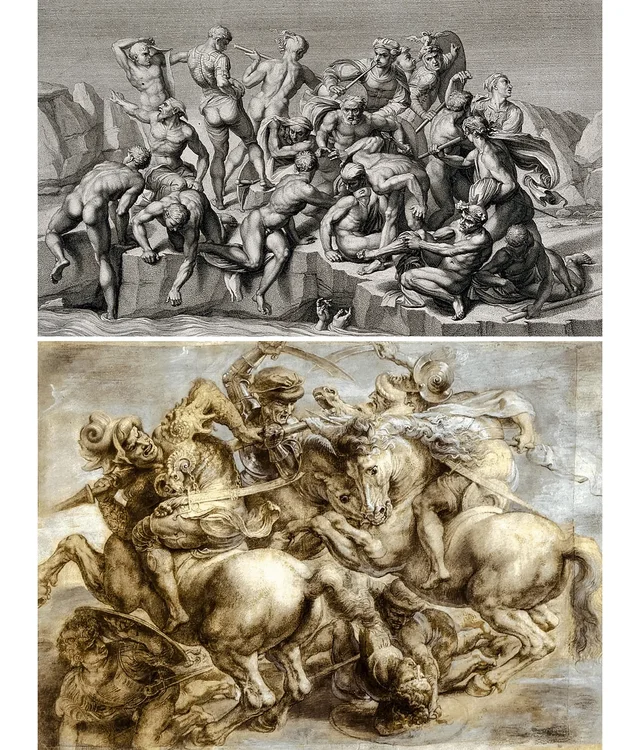
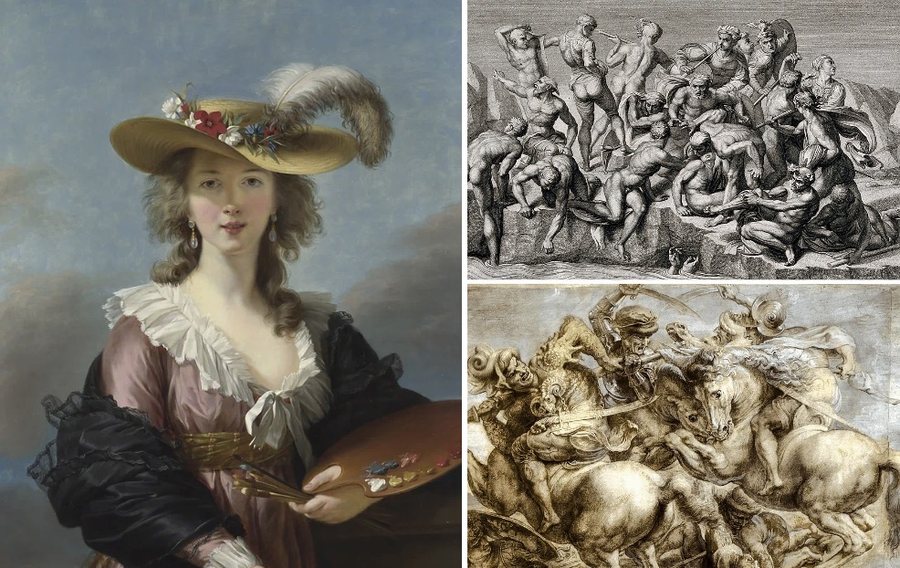
• Leonardo da Vinci versus Michelangelo, a rivalry filled with insults and ambition, culminating in rival commissions for the Palazzo Vecchio in Florence.

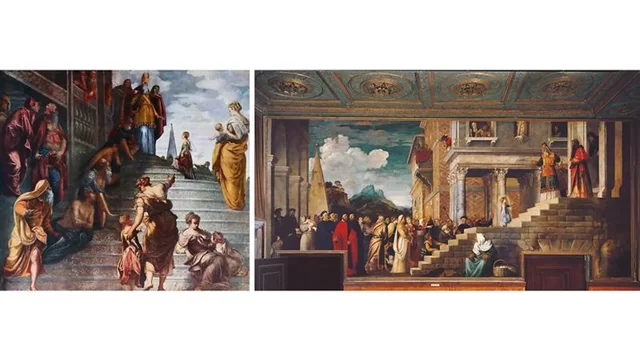
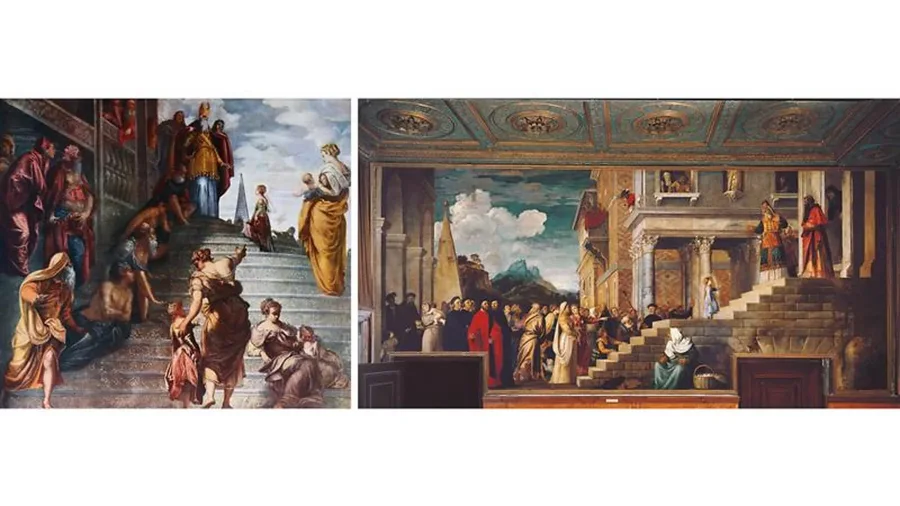
• Titian versus Tintoretto, where the rejected student waited decades to show Venice a new artistic vision.
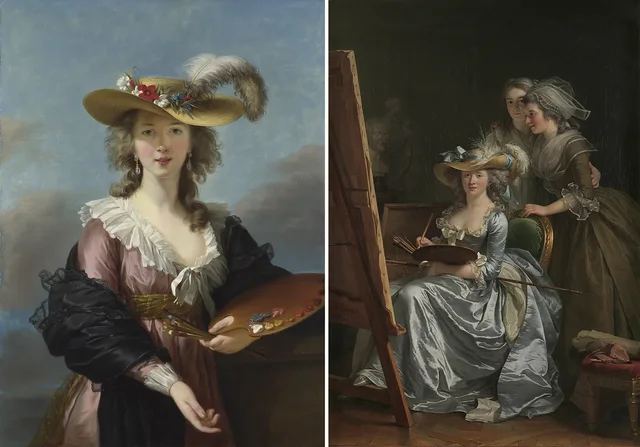
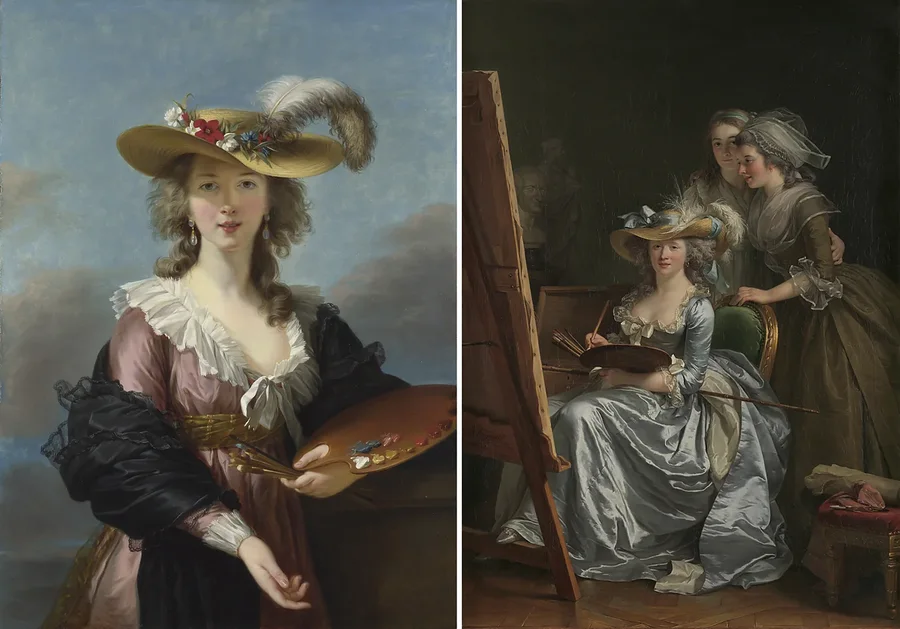
• Élisabeth Vigée Le Brun and Adélaïde Labille-Guiard, two painters who stood against a prejudiced system, not against each other.
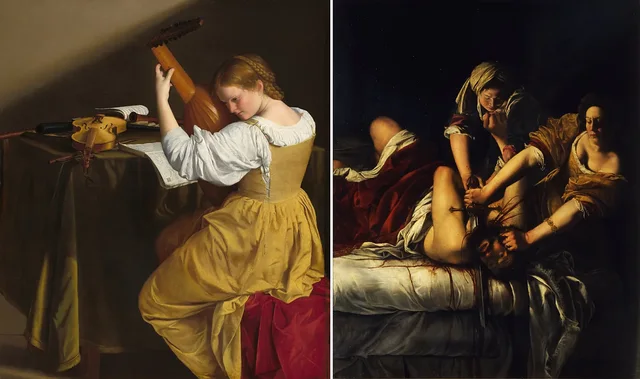
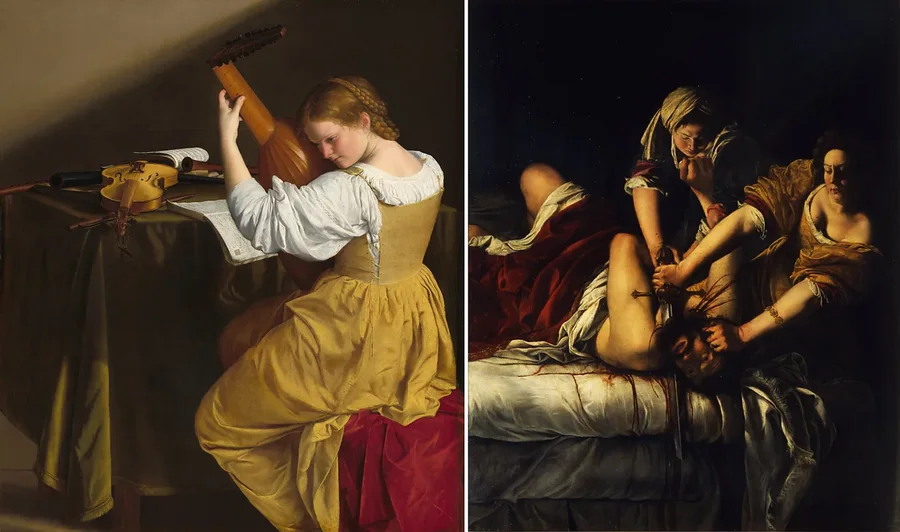
• Orazio and Artemisia Gentileschi, a father-daughter relationship broken by personal trauma, which led to a strong artistic separation.
• Van Gogh and Gauguin, a failed cohabitation that ended in violence and separation, but left behind works that show the tension between the two geniuses.
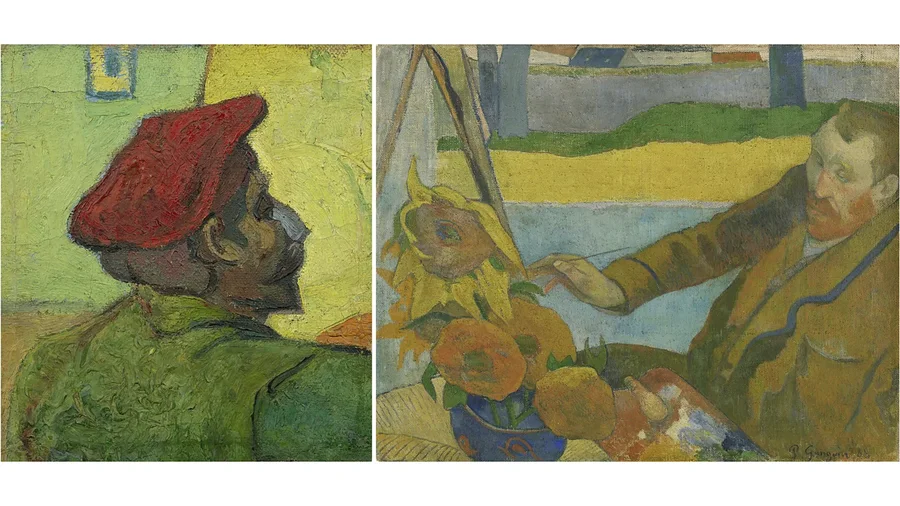
These rivalries show that competition in art is not simply a personal conflict, but a catalyst for creativity. In many cases, clashes between artists have brought to light new styles, bold ideas, and works that continue to inspire today.