



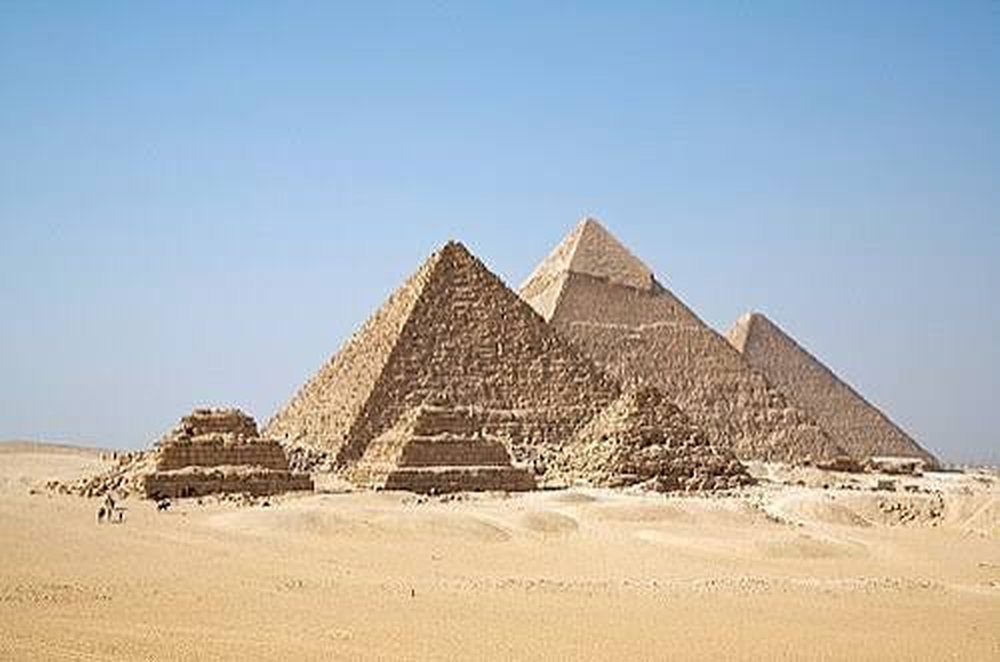
A new archaeological study has revealed that the construction of the pyramids may have been aided by an ancient, now-dried branch of the Nile River that ran near the Giza complex. The discovery was presented by Dr. Eman Ghoneim at the 13th Congress of Egyptologists.
Using satellite radar data, Ghoneim identified a former river channel, called the “Ahramat Branch,” which stretched from Giza to Faiyum, passing by 38 pyramid sites. According to her, the width and size of this branch were comparable to the current course of the Nile.
The location of the pyramids near the shore of this waterway suggests that it may have served as an ancient port or shipping corridor for transporting stones and building materials. However, researchers are still unsure whether the branch was active around 4,700 years ago, during the Old and Middle Kingdoms.
The discovery is seen as an important step in understanding the processes of building Egyptian monuments and could also help identify ancient cities and settlements that have been lost to sediment over time. Dr. Ghoneim noted that many of these settlements still remain unidentified.