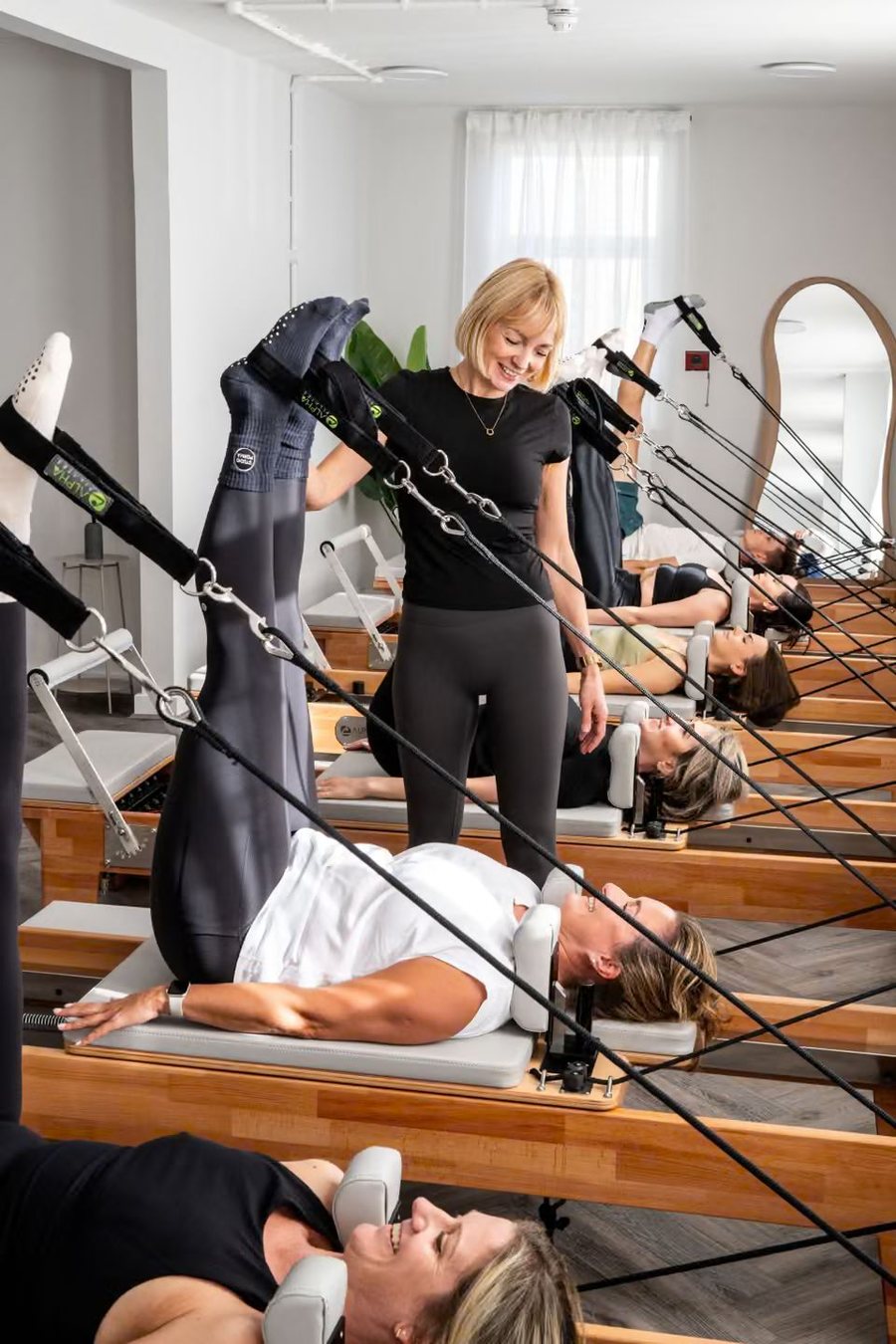



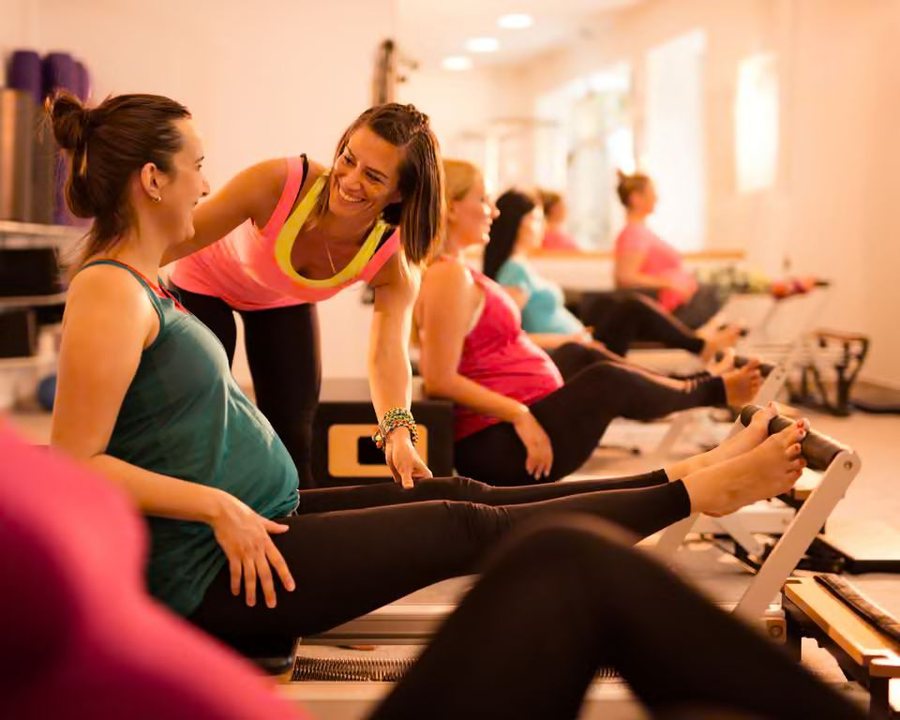
A new trend is emerging in many London neighborhoods that is changing the urban fitness landscape. Amidst the nail salons, coffee shops and fried chicken joints, elegant and mysterious reformer pilates studios are increasingly opening, a form of exercise that requires special equipment and is becoming increasingly popular.
On weekends, groups of people can be seen entering these spaces that have become new “temples” of body care. Many of them also follow a certain aesthetic promoted on TikTok with the hashtag #pilatesprincess: pastel sportswear, luxurious accessories and large glasses of water that are humorously referred to on social media as “emotional support bottles.”
Despite the debate over its social media image, Pilates is growing rapidly in popularity. According to sports booking app ClassPass, it has been the most popular workout in the world for three years in a row, with bookings up 66% in 2025 compared to the previous year. In the UK, the Pilates and yoga market is estimated to be worth around £1.1 billion.
Celebrities who promote it, including Margot Robbie, Dua Lipa and Bella Hadid, have also played a big role in this boom. However, the form that is attracting the most interest is reformer Pilates, a variation that uses special equipment with springs and resistance to strengthen the muscles of the body.
The surge in interest is so great that the number of instructors is also increasing at an incredible rate. Data from British business insurance company Protectivity shows that applications for reformer pilates instructors have increased by 948% in just one year.
Many people see Pilates as a way to transform their bodies without the need for intense exercise. The method's inventor, Joseph Pilates, once promised: "In 10 sessions you will feel the difference, in 20 you will see it, and in 30 you will have a new body."
But experts warn that the benefits are not magical and can also be achieved with other forms of physical activity. According to health researchers, Pilates is particularly useful for strengthening deep core muscles, improving posture and rehabilitating after injuries.
Meanwhile, the phenomenon is taking on a new technological dimension. At some new studios in London, there are no instructors at all. Participants enter with a card and follow the exercises via large screens with video and audio instructions, exercising on their own on reformer equipment.
A development that shows that the Pilates craze is not only taking over cities, but is also transforming the way people exercise.