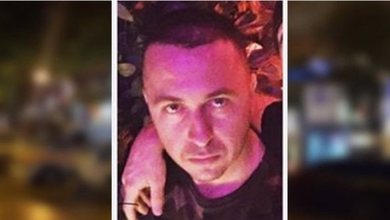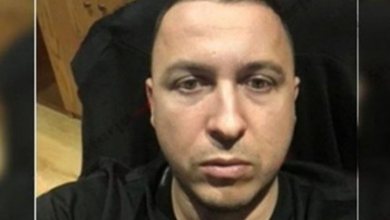



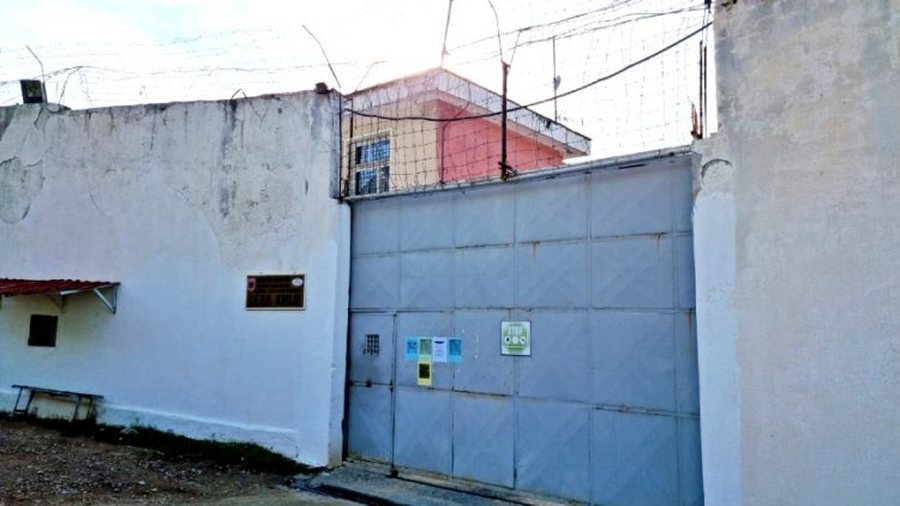
A monitoring by the Albanian Helsinki Committee following the death in custody of detainee Bledi Panajoti has highlighted the lack of medical care for detainees. The AHC emphasizes that this is a repeated failure of the detention system that violates the right to life, and therefore calls for a full and transparent investigation.
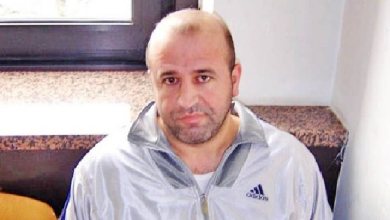
The death in the detention cell of Bledi Panajoti, arrested by Police Station No. 3 after a woman reported him for attempting to steal her bag, has highlighted the lack of healthcare and the lack of measures to guarantee the lives of detainees.
A monitoring mission by the Albanian Helsinki Committee (AHC), carried out on March 25, has uncovered a fatal chain of medical and institutional negligence. According to the AHC, the detainee was not simply a person under investigation, but a patient with urgent needs who received no care.
The monitoring found that from the first moments of entering the security rooms, Panajoti announced his health situation. According to the findings of the AHC, in the minutes dated March 19, at 00:55, the detainee stated: “I have no problems with the police. I have health problems. I have diabetes, where I use insulin. I have Hepatitis C. I am a drug user and have tuberculosis.”
Just an hour later, his condition worsened, forcing the police to send him to the QSUT. The hospital doctors, according to the documentation cited by AHC, specifically recommended: “It is recommended that he be followed by a toxicologist, endocrinologist, and psychiatrist,” as well as a review of the diabetes treatment regimen.
However, the Albanian Helsinki Committee found after monitoring that the recommendations were not taken into account and the only measure was to place a police officer near the detainee to monitor the situation from the outside. “The AHC notes that despite the recommendations given by the emergency service doctors for follow-up by specialists (toxicologist, endocrinologist and psychiatrist), these recommendations were not implemented after his return to the security room premises,” the report made public states.
Instead, the block doctor, as the monitoring found, simply stated that the patient was “agitated.” At 05:48 on March 20, Bledi Panajoti was found lifeless, without a pulse and not breathing. The police officer guarding him did not understand anything. Earlier, he had noted that the detainee was sleeping and snoring.
Analyzing the incident, AHC points out the failures of the detention system in Tirana. In its statement, the organization says that it “notes with concern that health services in this facility are not guaranteed 24 hours a day, while the lack of human resources directly affects the safety and lives of persons deprived of their liberty.”
Furthermore, AHC denounces the fact that the problems of people with addictions remain unresolved. “It also results that the problems related to the treatment of people with addictions to narcotic substances, including the lack of methadone and the malfunctioning of institutional cooperation mechanisms for its provision, continue to remain unresolved for citizens accommodated in these security rooms,” the statement says. This situation, according to AHC, is repeated, recalling the loss of lives of citizens DG a year ago and JR, who had similar health profiles.
In a statement following the monitoring, AHC reminds the General Directorate of the State Police and the Ministry of Health that, based on the European Convention on Human Rights, “the state has positive obligations to guarantee the life of persons held in conditions of restriction of liberty, including the obligation to provide adequate health care.”
AHC has demanded a full and transparent investigation into the incident and 24-hour security for doctors in security rooms. /BIRN./