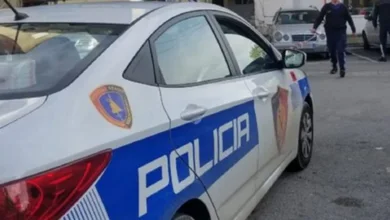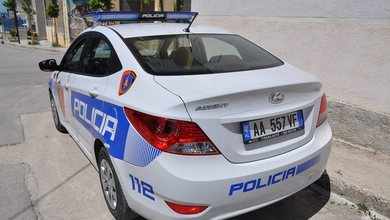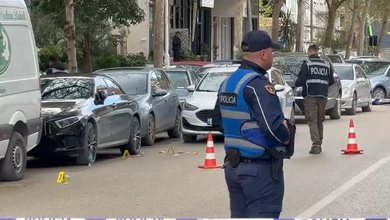



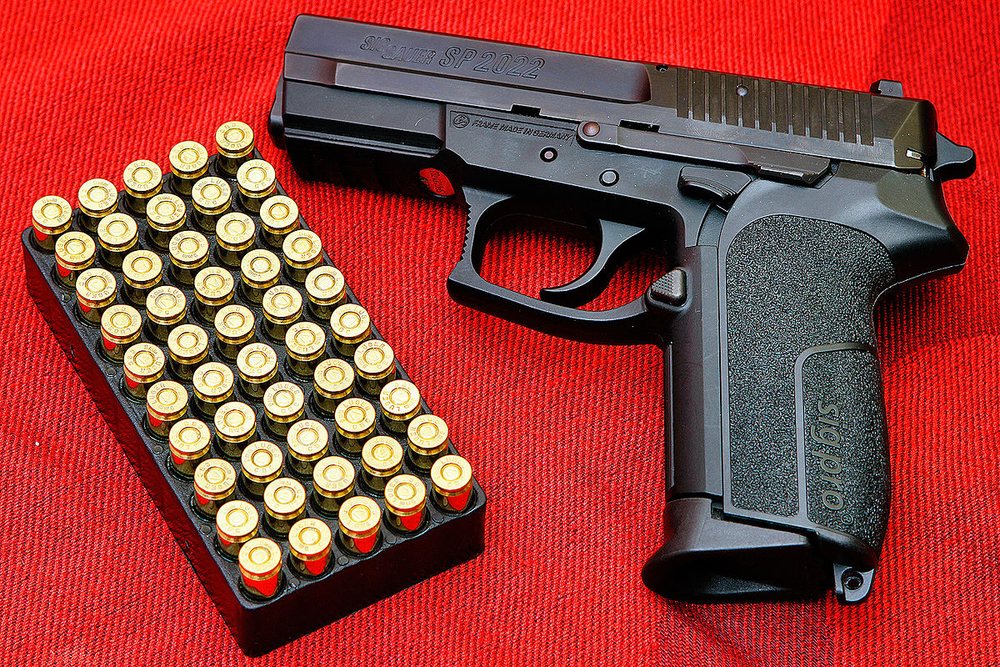
Në më pak se një javë, mes 10 dhe 17 marsit, Policia e Tiranës goditi dy raste të trafikimit të armëve. Fillimisht, më 10 mars, dy të rinj u arrestuan në posedim të 6 pistoletave SigSauer të ardhura nga Mali i Zi – armë moderne të cilat kushtojnë nga 1500 deri në 3000 euro copa në treg të zi.
Një javë më vonë, një 46-vjeçar u ndoq nga policia në fshatrat e Tiranës dhe u kap me 2 kallashnikovë, tritol dhe 1500 fishekë.
Të marra veç e veç, të dy rastet përfaqësojnë format e zakonshme të trafikut të armëve në Shqipëri; një treg që, sipas hetimeve të Prokurorisë së Tiranës, u përshtatet qoftë organizatave të pasura kriminale që kërkojnë armë moderne, qoftë atyre që kërkojnë armë të lira dhe të trashëguara nga depot ushtarake të grabitura në vitin 1997.
Të dhënat nga komunikimet ditore të policisë dhe Prokurorisë së Tiranës tregojnë një lulëzim të trafikut ilegal të armëve në vend. Vetëm në tre muajt e fundit, policia dhe prokuroria kanë zhvilluar 8 operacione kundër grupeve të trafikut të armëve, duke arrestuar 16 persona dhe duke kapur 38 armë, sasi të konsiderueshme municioni dhe eksplozivë. Në katër operacione të tjera, në të cilat nuk janë ngritur akuza trafikimi, policia kapi baza me armatim, përfshirë një “depo” me eksplozivë, 11 granata, tre armë zjarri dhe 9 mijë fishekë.
Shifrat janë në rritje krahasuar me dy vjet më parë, ku përgjatë gjithë vitit u shënuan 14 raste të trafikimit të armëve gjithsej. Por sipas Prokurorisë së Tiranës, shifrat tregojnë një nivel më të lartë të zbulueshmërisë përmes metodave speciale të hetimit.
“Nuk është pasojë e rritjes së trafikut, por është arritur të sigurohet informacion,” tha prokurori Ritvan Suka, drejtues i Seksionit për Trafiqet, Narkotikët dhe Krimet e Rënda Kundër Jetës në Prokurorinë e Tiranës.
Sipas ekspertëve, sasia e armëve në qarkullim përbën një prej rreziqeve kryesore për sigurinë e vendit.
“Përtej pjesës statistikore, trafiku i paligjshëm i armëve mbetet një çështje e rëndësishme për sigurinë kombëtare. Një faktor kyç lidhet me faktin se trafikimi i armëve nuk është zakonisht një qëllim në vetvete, por funksionon si një aktivitet mbështetës për forma të tjera kriminaliteti,” tha Romario Shehu, kërkues për çështjet e sigurisë pranë Institutit për Demokraci dhe Ndërmjetësim (IDM).
Trekëndëshi i Ballkanit
Hetimet e Prokurorisë së Tiranës tregojnë se trafiku i armëve është i lidhur ngushtë me vendet fqinje. Armët e reja vijnë kryesisht nga Kosova dhe Mali i Zi, ndërsa nga këtu trafikohen kallashnikovë të vjetër, municione dhe eksplozivë që gjenden me lehtësi.
Një nga tiparet më të theksuara është kthimi i Shqipërisë në një nyje lidhëse për trafikun e armatimeve në rajon. Përtej mbetjeve të vjetra, tregu i zi furnizohet me armë të reja përmes kufijve tokësorë.
For Ritvan Suka, traffic routes are clearly defined by demand and geography.
“The main arms trafficking flows entering Albania are from Kosovo and Montenegro,” Suka emphasizes. According to him, this dynamic applies not only to illegal imports to Albanian criminal groups, but also to cases where Albania is used as a transit point, or cases where arms are trafficked from Albania to other countries.
"This also applies to cases of outbound trafficking. Although there are sporadic cases of weapons being seized at the port or airport en route to Italy and EU countries, this is rarer," he adds.
Weapons entering from the northern and northeastern neighbors often end up on the domestic market, or pass through sea routes to the West. Public data from Tirana Police show that nearly half of the weapons seized in operations conducted in the last three months came from Kosovo and Montenegro, mainly modern Glock and SigSauer pistols.
Prosecutor Suka says this is due to the demand for new weapons, mainly from criminal groups, although the most commonly used weapon by crime remains the Kalashnikov, which is easily found from old stocks.
“There is a demand for new weapons, which drives trafficking,” warns Suka. “The weapons from '97 are old, while the ones being trafficked are more modern and of higher quality,” he said, adding that there are specific crimes where trafficked weapons are used that are not commonly found in Albania.
There is also a requirement for “clean weapons,” unregistered and without a criminal history.
"Arms trafficking is a common problem in the Western Balkans. Europol's 2025 report on organized crime estimates that the Western Balkans region continues to be a key source of illicit weapons trafficked towards the European Union," said IDM expert Shehu.
According to Shehu, just like the demand, the supply of trafficked firearms and explosives remains high.
"In the regional context, studies show that arms trafficking mainly serves to facilitate other more profitable activities, such as drug trafficking, migrant trafficking, human trafficking, or goods smuggling," Shehu emphasized.
Complex investigations
Analysis of the Tirana Prosecution's registry data for the years 2025 and 2026, obtained through a request for information, shows that a good part of the investigations for article 278/a (Trafficking in weapons and ammunition) are transferred to suspended status or remain in the investigation phase for long periods. Some of the proceedings have been under investigation since 2022 or 2023 and are still open.
However, the extension of investigations and the suspension of these files is not necessarily seen as a failure, but as a step dictated by the transnational nature of the crime and the limitations of the initial data.
“Old investigations remain like this mainly because of the cases that have been separated and their complexity,” explains prosecutor Suka, clarifying the procedural mechanism. “Since it is mainly about trafficking, there are elements and people who are outside Albania, which requires return-response letters and other things.”
In such cases, the prosecution is forced to separate the cases, sending for trial the cases of persons arrested in Albania and keeping the cases of those who are wanted in third countries under investigation.
For expert Shehu, technology is expected to make the work of the police and prosecution even more difficult in solving these cases.
"The use of online commerce to traffic firearms, components, ammunition and explosives, both on the regular internet and on the 'dark web', is expected to become increasingly widespread," he says.
Meanwhile, despite imports from neighboring countries, Albania remains hostage to its past. Romario Shehu notes that the legacy of 1997 is still a high risk factor./BIRN