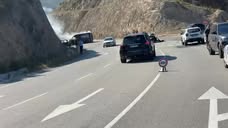



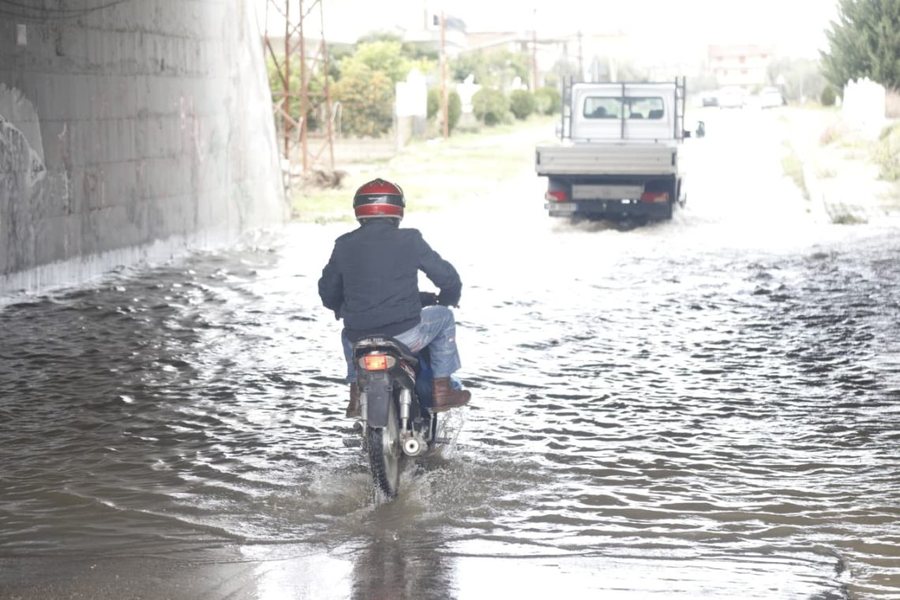
Floods affected several regions of Albania on the second week of January, causing road blockages, material damage, and temporary disruption of activities in urban and rural areas, as a result of heavy rainfall and water overflows.
According to authorities, the bad weather has caused one death, the flooding of nearly 1,600 homes and 14,000 hectares of agricultural land in the regions of Durrës, Shkodër, Lezhë, Berat and Korçë. To respond to the damage, the government has allocated a fund of 50 million euros to help the affected families.
The floods caught Albania unprepared. The situation also highlighted recurring problems with drainage and sewerage infrastructure, dilapidated embankments, and a lack of preventive measures.
As the country assesses the damage caused, experts warned that such phenomena are expected to become more frequent and stronger under climate change.
“Weather phenomena have been and will be present,” said Kristi Bashmili, an environmental expert with the Albanian Ornithological Organization. “Unfortunately, the response to these phenomena, the least-cost coping with such events or natural disasters, seems weak,” he added.
According to the World Bank, the Western Balkans region is one of the most affected areas in Europe by climate change. Climate change is bringing extreme weather phenomena and as a result floods, fires, droughts and other negative phenomena. Albania is considered one of the endangered countries.
In recent years, prolonged droughts, followed by intense rainfall, are causing floods, landslides, and serious problems in agriculture and infrastructure.
“This time luck did not help us, and we saw massive flooding caused not only by river flows, but by the lack of maintenance of embankments and drainage channels,” said Besjana Guri, environmental activist and director of the “LUMI” environmental center.
According to Guri, another cause for massive flooding is the high level of erosion that Albania has.
“One of the main causes of flooding is high erosion and loss of forests on mountain slopes or in coastal areas,” she said. “On the other hand, erosion of riverbeds and indiscriminate extraction of aggregates only worsens the situation and further intensifies flooding,” Guri added.
According to Kristi Bashmil, the drainage channels were also uncontrolled and uncleaned, which led to the country being flooded with rainfall that can be considered relatively normal.
"Recent events showed that we are poorly prepared and that we have not taken natural disasters seriously enough," he said.
"Someone said that the canals are filled with waste, somewhere it was seen that they were filled with concrete slabs, somewhere we saw bridges that were quite low to maximize the passage of water, so in Albania we see that we have a significant lack of prior control of drainage structures," added the environmental expert.
Bashmili emphasized that deforestation and burning carried out over the years in hilly and mountainous areas are having their consequences through flooding phenomena in the lowland area.
“We see unruly mountain streams everywhere and only remember them when the water has come and they are difficult to manage because they have extraordinary power when they flow into inhabited areas,” Bashmili explained to BIRN.
Land mismanagement is another primary cause that influences the fatal consequences of natural disasters. According to Besjana Guri, uncritical construction in areas near riverbeds seriously affects the increase in social, environmental and economic damages of natural disasters.
“Building businesses or homes that are built on active riverbeds and are prone to flooding brings huge costs to the community,” she said.
According to environmental experts, the January floods are not just a natural disaster, as the government has tried to portray them, but a clear indication of the lack of preventive measures.
"Central institutions must take concrete and urgent steps to minimize such disasters to the maximum, taking seriously the issue of reforestation and rapid prevention measures and monitoring of the situation," said Guri.
She added that the Albanian state should also prioritize taking measures to prevent floods in risk areas, while simultaneously undertaking reforestation measures and maintaining drainage channels. /BIRN/