


The Ombudsman has found that the treatment of persons deprived of their liberty in five penitentiary institutions in the country approaches the standard of degrading treatment. This is a flagrant violation of the Constitution and Albania's international obligations. The findings are based on inspections in 18 penitentiaries during 2025 and on 115 complaint cases handled by the institution.
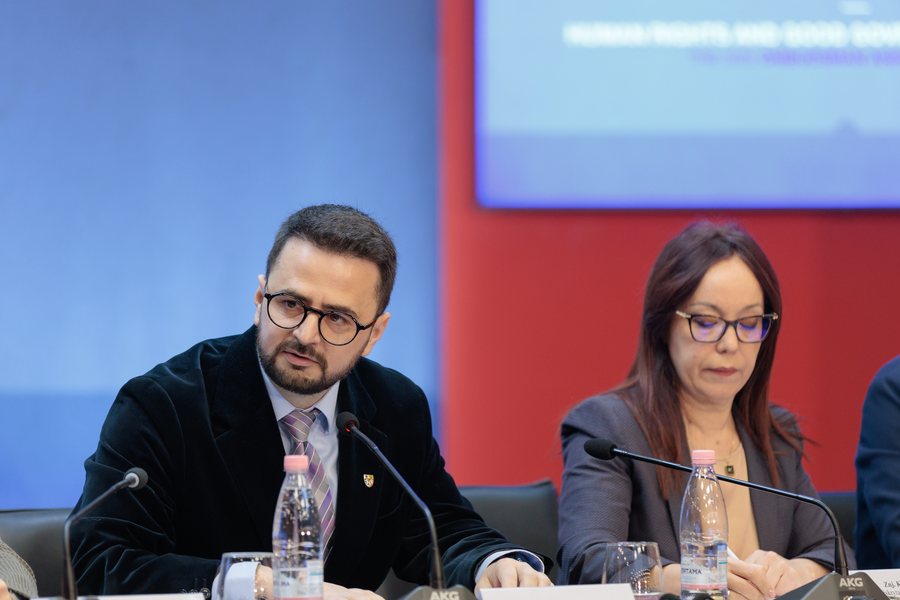
"When the state keeps prisoners in degrading conditions, it is not punishing them, but humiliating them. Closing these five institutions is a constitutional obligation, " said the People's Advocate, Endrit Shabani.
The three main figures
5 prisons need to be closed: Burrel, Kosova-Lushnjë, Kukës, “Mine Peza” (302), “Jordan Misja” (313).
65% overcrowding in Lezha Prison, 181 prisoners above planned capacity.
253 days average stay in detention, i.e. more than 8 months in a cell without being convicted.
The human reality behind the numbers
In most institutions, convicts and detainees keep their clothes and personal belongings in plastic bags, because there are no lockers. The doctor is present only four hours a day. Regional hospitals often refuse to treat prisoners for “security reasons”. There is no specialized medical institution for people with mental health problems, although they are currently held in the Shën Kolli Prison.
During 2025, the Ombudsman handled 115 cases submitted by prisoners and their families.
Overcrowding: localized, not national
Overall, the penitentiary system is under capacity (5,029 prisoners and 5,747 places in total = 87%). But the distribution is deeply unequal:
Lezhë Prison: +65% (181 people over capacity)
Jordan Misja Prison: +11% (55 people)
Vlorë Prison: +10% (16 people)
Fushë-Krujë Prison: +2.4% (9 people)
56.8% of the penitentiary population is in pre-trial detention, i.e. they are kept in prison although they are still unconvicted. This is an indicator that violates the principle of the presumption of innocence.
Conditions that violate dignity
Inspections have found:
Deteriorated premises, without sufficient ventilation, lighting or heating.
Prisoners keeping personal belongings in plastic bags because there are no lockers.
Lack of basic hygiene products and detergents for cleaning cells.
Non-functional heating and cooling systems, especially in extreme weather.
Lack of variety and insufficient quantity in food.
Limited opportunities for socio-cultural activities and rehabilitation.
Health care: response to emergencies, not continuous service
No full-time doctor in most prisons. Where there is a doctor, they are only there for 4 hours a day.
Lack of ambulances and difficulty in consulting specialists.
Regional hospitals refuse treatment for “security reasons”.
Lack of dental services and basic medications.
No specialized institution for prisoners with mental health problems.
What the Ombudsman demands
The Ombudsman demands from the Government and the Ministry of Justice:
Reconsideration of the detention policy. 56.8% of unconvicted people is an unacceptable figure in a country that claims to respect the presumption of innocence.
Immediate plan for health care in prisons, including the establishment of a specialized medical institution for prisoners with mental health problems.
Closure of the five identified IEVDs until their complete reconstruction, and a national reassessment of the capacities of the penitentiary system.
The full report with the above data, methodology and recommendations is located on pages 78–92 of the Ombudsman's 2025 Annual Report.