


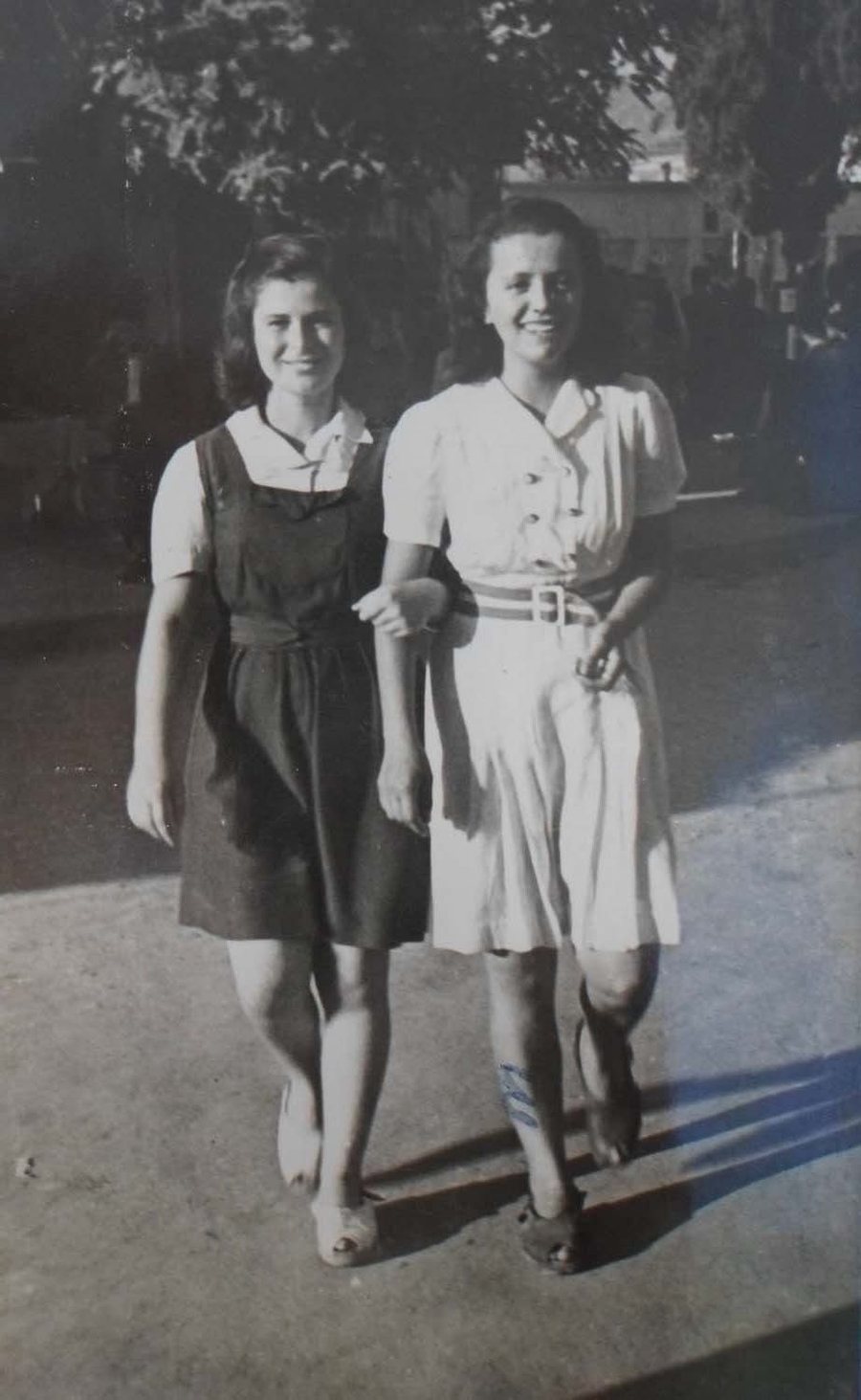
The case of Petrina Alarupi, a girl of only 17 years old, tried in 1947, is one of the clearest examples of how the justice system of the communist regime was used for political punishment. Although a minor, Petrina was accused of “speaking against the government” and “propagandizing against reforms.” Instead of evidence or concrete actions, the accusations were based mainly on her biography and the fact that she was the sister of Vasil Alarupi, leader of the National Front.
Military prosecutor Faik Minarolli described a minor as a “danger to the government,” using strong political language and ideological labels, while the document does not show any concrete evidence of hostile activity. Regardless of her age, the prosecutor requested that she be sentenced to 2 years in prison, treating her as “guilty against the people and the state.”
Full text of the 1947 claim
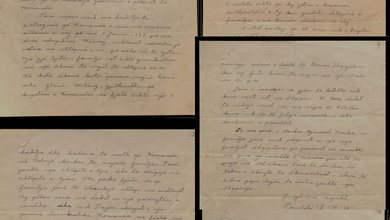
The original document of the Military Prosecutor's Office is published below without interference:
Your Honor! The defendant Petrina Alarupi, the sister of the fascist puppet Vasil Alarupi and as such privileged during the time of fascism, does not like the new government at all and for this reason she begins anti-government activity wherever she can, agitating and propagandizing against the government and economic reforms and presenting the situation of our country as uncertain due to external intervention.
She had connections with Skënder Janiçeri and was informed by him about the existence of the clandestine "Social-Democratic" organization that was operating against the Government. In connection with her sister and, pushed by her, she encouraged her friends to become active against the Government and sabotage the work where they worked.
Since her guilt is provided for by Art. 8 and Art. 7 of Law No. 372 dated 12/XII/1946 on criminal offenses against the people of the State, I request that the defendant be sentenced, based on the aforementioned Articles, to 2 years of imprisonment.
This document clearly shows how the regime’s justice system functioned: general accusations, the use of family biographies, and the sentencing of minors for “positions” or “words.” Instead of defense and evidence, the 17-year-old girl is accused of political positions and assumptions, while the requested punishment is justified by the infamous Law No. 372 for “crimes against the people and the state.”
The case of Petrina Alarupi is one of dozens of files from the early years of the communist regime, where young people, girls and minors were sentenced not for what they did, but for what they represented in the eyes of the authorities.