


In early 1947, the Albanian-American community was shocked by an unusual event coming from Albania. Koçi Xoxe, then one of the most powerful figures in the communist regime and head of the security structures, had occupied the Prifti family's home in Rehovë, Kolonjë, evicting the family from their apartment and placing state soldiers inside.
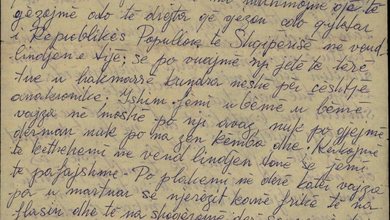
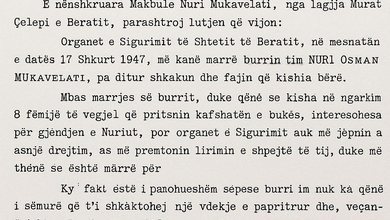
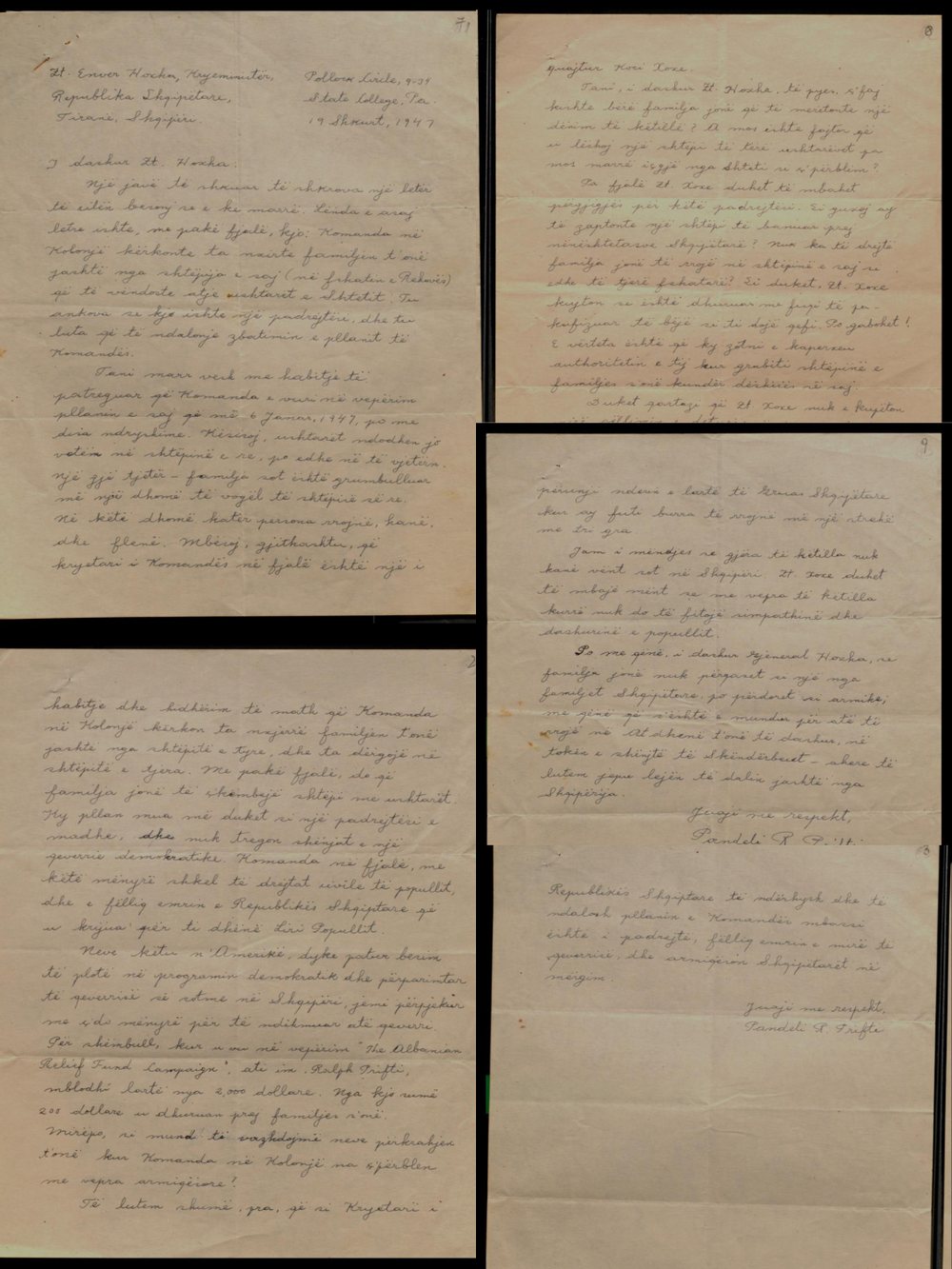
This action, structured as a “Command order”, caused Peter (Pandeli) R. Prifti, secretary of the patriotic organization “Vatra”, a professor of language in the USA and a well-known figure in the Albanian diaspora, to personally address Enver Hoxha, then Prime Minister of Albania. He sent him two long letters, reporting what he called “a shameful injustice”, an abuse that “defiled the name of the Republic”.
letters
In the first letter, Prifti writes to Hoxha that on January 6, 1947, the Colony Command, under the leadership of Koçi Xoxe, was implementing the plan to expel his family and place the soldiers in their homes.
He describes the situation as so absurd that four family members live together in a single room, while both houses – the new and the old – are occupied by the army.
The priest asks directly: "What crime had our family committed to deserve such a punishment? Was it only guilty of giving up an entire house to the soldiers without receiving any compensation from the state?"
He accuses Koçi Xoxe of acting as if “endowed with unlimited power,” violating the law, the rights of the people, and the reputation of the state. For Prifti, this is an act that seriously damages the honor of the government in the eyes of Albanians in America: “This manner of the Command violates civil rights and tarnishes the name of the Albanian Republic that was created to give Freedom to the People.”
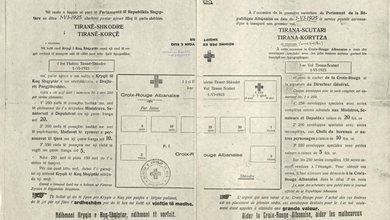
He reminds Hoxha that the Albanian diaspora, including his family, has contributed funds and trust to the new government, also mentioning the humanitarian campaign where over 2,000 dollars were collected.
But in the face of this injustice, he asks in a harsh tone: "How can we continue our support, when the Command in Kolonjë rewards us with hostile acts?"
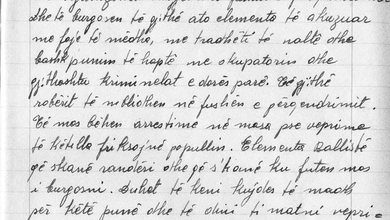
The second letter is even more pointed. The priest points out that Xoxe's action has humiliated "high Albanian honor," as the soldiers have been deployed in a manner that contradicts the ethics, morals, and customs of the country.
He writes that Koçi Xoxe "forces men to live in a shelter with three women," a situation he calls unacceptable: "I am of the opinion that such things have no place in Albania today."
In this letter, the diaspora's disappointment reaches its peak. The priest tells Hoxha that, since their family is being treated as enemies, then: "Please, give us permission to leave Albania."
This is a strong appeal that shows that the injustice committed is not just a matter of property, but a serious violation of dignity, freedom, and morality.