


A distorted history, a deliberately erased reality.
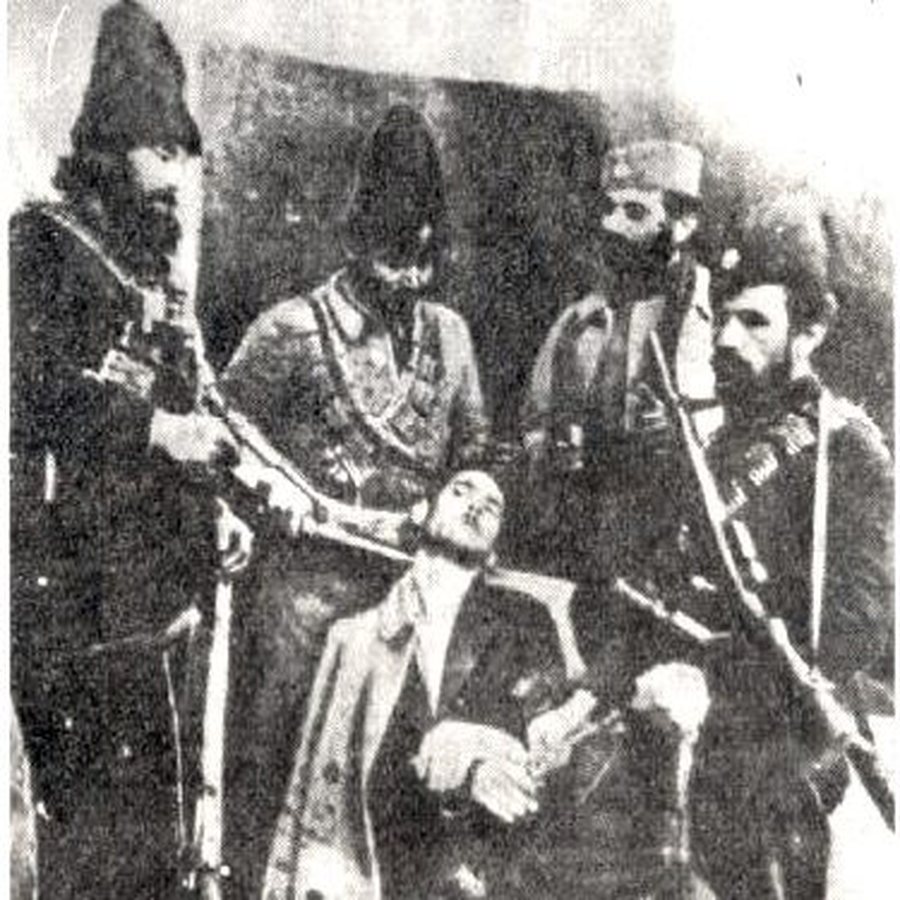
The events of the autumn of 1941 in Sandžak, and especially in Novi Pazar, constitute one of the bloodiest and most distorted episodes in the history of the region. What happened that year were not “local skirmishes”, as Serbian historiography has systematically called them, but the first organized attempt at ethnic cleansing of Sandžak, carried out by Chetnik formations under the command of Dragoljub Mihailović, Kosta Pećanc and local leaders such as Radomir Cvetić, Todor Dobrić, Mašan Đurović and others. In Serbian historiography – from the work of Vaso Ćubrilović, to the post-war interpretations of the “partisan” school – the events of Novi Pazar have been presented deliberately toned down: as “interethnic conflict”, “local revenge”, “Muslim disloyalty”, and even as “Albanian and Bosnian collaborationism”.
Why did the Chetnik attack fail again?
The reasons are similar to the first attack:
Low discipline of the Chetniks. Included: drunkenness during the war, massive looting, burning of houses without operational order, disobedience to orders.
Poor command coordination; Captain Cvetić and Pavlović were in open conflict.
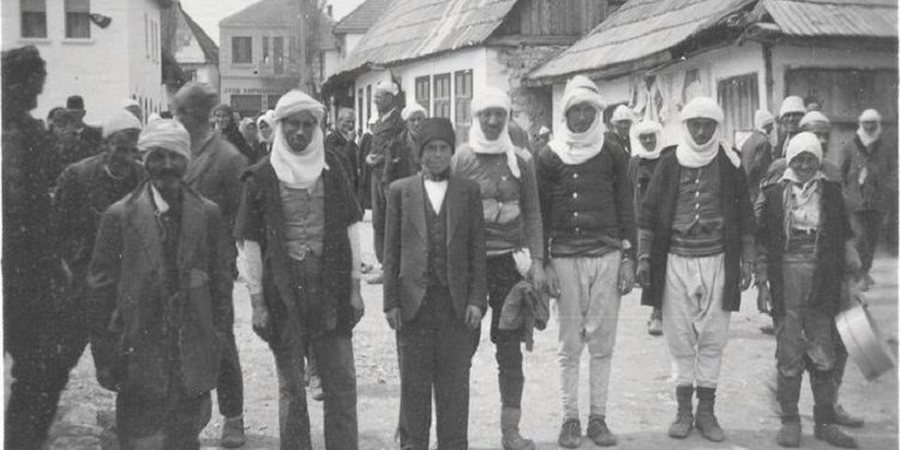
Well-organized Muslim defense; Aqif Efendi Bljyta organized a dual defense system: static blocking positions, mobile striking units. d) New aid from Peja, Drenica and Rugova. During November 15–20, another 300–400 fighters arrived from Kosovo. Panic of the Serbian population and their demand for an end to the attacks. One of the most unusual facts of the war: the Serbian population of Novi Pazar itself begged the Chetniks to stop the attacks.
The written demands of: 2,500 Serbs of Pazari, 227 signatories from the villages of Vojkovac and Sopoqan have remained documented. They demanded: an immediate cessation of attacks, entry into negotiations, an end to burnings and massacres. This is evidence that: the Serbian population did not have the same goal as the Chetniks; the Chetniks did not fight for their own defense, but for ideological plans; the Serbs of Pazari knew that the Muslim population was ready to protect them (as 420 of them did). The third Chetnik attack on Novi Pazari (December 4, 1941)
When genocide tries to enter under the shadow of the German flag!
The third attack is the only one in which the Chetniks attempted to exploit the Wehrmacht to pave the way for their plan to capture Novi Pazar and massacre the Muslim population. This attack is also the most blatant example of the manipulation, deception, and treachery that the Chetniks used, even against their ally of the moment.
The plan: deceiving the German command in Raska
Vojvoda Mašan Đurović, having failed in the first two attacks, decided to use another method: to tell the Germans that Novi Pazar was controlled by the Partisans. The reason was clear: the Germans had orders that any territory under Partisan control was to be destroyed immediately. If they believed that Novi Pazar was a “communist center,” then the bombing would be carried out by the Wehrmacht itself. This would cut the Chetniks’ work short: the city would fall without a fight.
And the Germans fell into the trap — for 30 minutes.
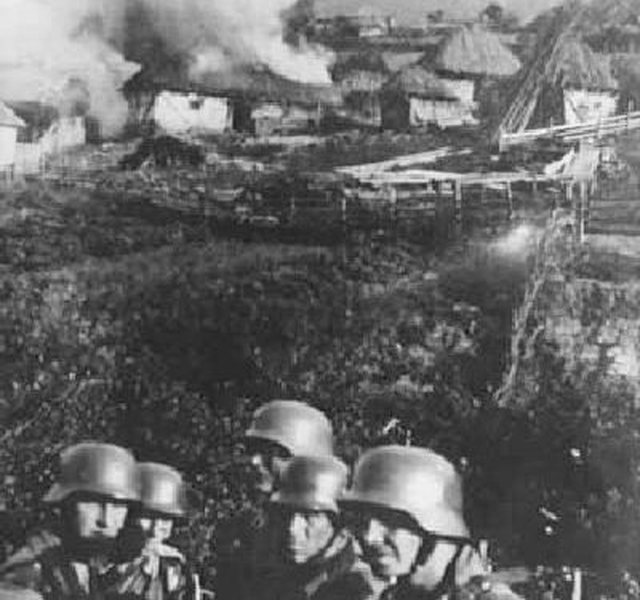
On December 4, 1941, a German formation of the 113th Infantry Division rushed from Raška towards Pazar, carrying with them: about 100 soldiers, four anti-aircraft guns, and an air reconnaissance team.
The attack begins with German bombing.
As early as 09:00, the positions of the Muslim and Albanian defenders near Petrova Crkva were heavily bombarded. If the Germans had continued just 30 minutes longer, the city could have fallen. But then something happened that no one expected: the Germans realized that they had been deceived. When reconnaissance planes flew over Novi Pazar, they saw no partisan flags, no communist armed units, no traces of partisan fortifications.
What did they see? German flags raised by the Muslim population. (Açif Ef. Bljuta had ordered them to be raised to avoid bombing.)
The Germans understood that: the Chetniks had lied, there were no partisans in the city, the goal was the ethnic cleansing of Muslims. For the Wehrmacht, the manipulation of the ally was intolerable.
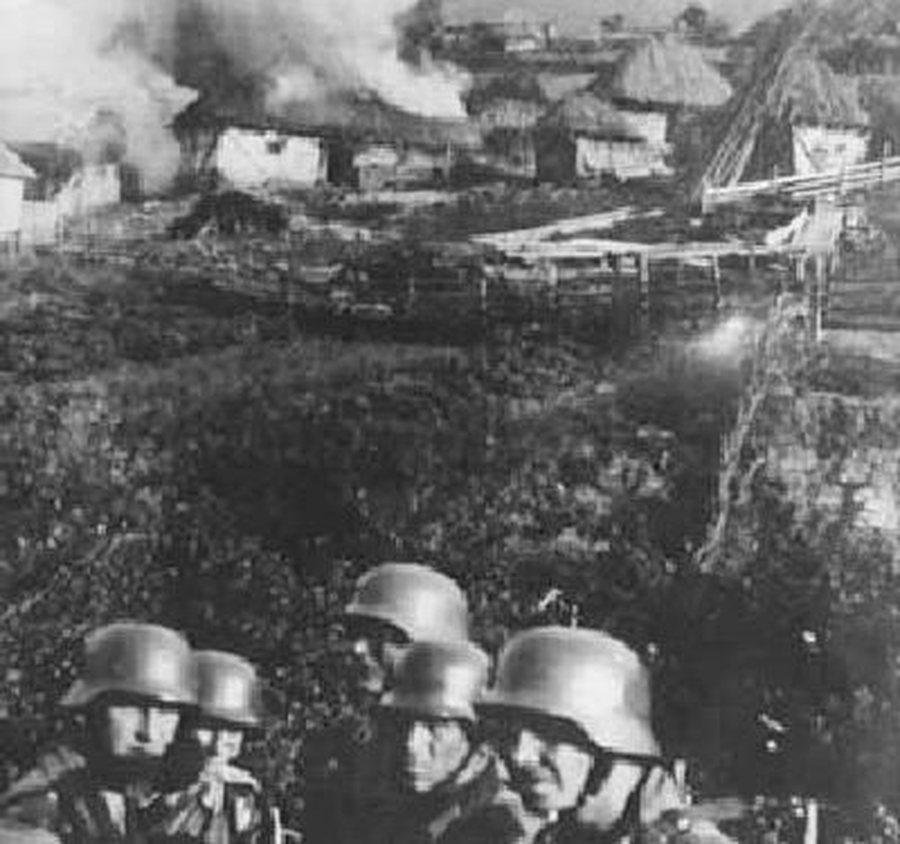
The Germans retreat, taking the Chetniks with them.
Angry, the German commander gave the order: Immediate withdrawal to Raška. Any further Chetnik operations are prohibited. At this moment, it became clear that the third attack had turned into a total fiasco for the Chetniks.
Consequences: the Chetniks exposed themselves as a terrorist force, not an ally
This episode is very important for several reasons: The Chetniks proved that they were not fighting against the Germans, but collaborating with them. Their only goal was to eliminate the Albanian and Bosnian element. They were ready to massacre even the Serbs of Bazar, if necessary, to realize the ideological madness of Greater Serbia.
Even German documents from World War II describe this episode as: "an attempt by the Chetniks to instrumentalize the Wehrmacht in achieving their ethnic objectives."
The return of the Germans to Novi Pazar (December 7, 1941)
On December 7, 1941, the Germans entered Novi Pazar for the second time. They were welcomed with: applause, flowers, enthusiasm, from all communities, including Serbian women and children. The German presence meant: the cessation of Chetnik operations, the end of massacres, the maintenance of a minimal balance of violence.
Xhafer Deva, accompanied by two German officers, arrived in Raška on December 6. There he spoke with the Chetnik leaders, Šarković and Đurović, and then continued on to Novi Pazar. After Deva's visit, a decision was made to halt military operations.
The balance of massacres (October–December 1941)
This is the most serious and necessary part of the analysis. According to the author Živković: 634 killed in total, 394 killed in combat, 240 civilians massacred, 216 Muslims (Albanian and Bosnian) killed (144 of them from Kosovo), 178 Serbs killed, 193 Serbian civilians killed, 47 Albanian and Bosnian civilians killed.
According to Radović (after the war): 756 victims, 482 killed in battles, 274 civilians killed by terror from both sides, 2,792 houses burned, 2,016 Serb, 776 Albanian and Bosnian. Ibrahim Lutfiu and Bajazit Boletini, among others, presented the figure of about 800 Albanian and Bosnian houses burned in the Deževa district. Nedić's government. It mentions 892 Muslim houses burned and 1,299 Christian houses in the Novi Pazar area.
These figures are not equal, because each author has different methodologies, but they agree on a single point: The Novi Pazar massacre was the largest ethnic crime in Sandzak during World War II, after that of Bihor and the Lim River Valley.
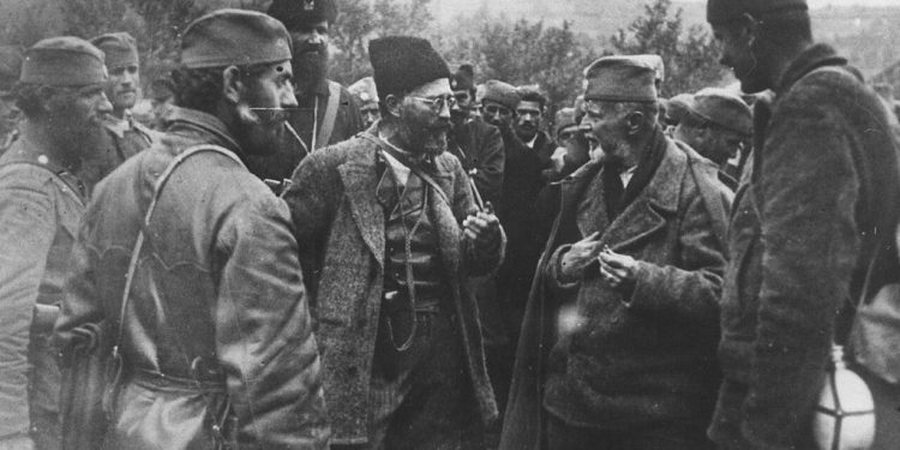
The human dimension: the rescue of 420 Serbs
One of the greatest stories of darkness is light: 420 Serbs of Novi Pazar were saved from Muslims. This was organized by: Aqif Blyta, Mulla Jakub Kardović, Mumin Ef. Halidović, dozens of Muslim families who sheltered, fed and protected their neighbors.
This fact: is not mentioned in Serbian textbooks, is not mentioned in the historiography of the 1950s–1980s, has been deliberately erased from Serbian memoirs. But it is documented in: reports of local communists, family testimonies, post-war documents. This act is a clear argument against the Serbian narrative that “the Muslims of Bazar were pro-German collaborators”.
Why the truth must return to these events
The truth is undeniable; The Chetnik attacks on Novi Pazar were an attempt at ethnic cleansing of the Sandzak; The Albanian-Bosnian population defended itself with organization, dignity and heroism with about 3,200 volunteer forces; Aqif Efendi Blyta was the central figure of the city's survival — not a "collaborator", but a legitimate leader of self-defense; Hundreds of Serbs were saved by Muslims — one of the rare cases of inter-ethnic humanism in the Balkans; Serbian historiography has deliberately distorted this chapter; This episode requires historiographical rewriting, the preparation of a documentary and the opening of archives. / Memorie.al