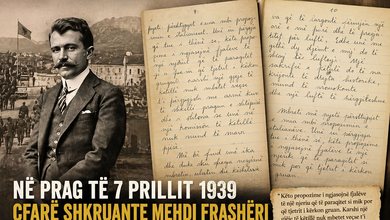



In November 1972, communist Albania celebrated the 60th anniversary of Independence with propaganda and pomp. The flag, Vlora and Ismail Qemali were mentioned in the official stands. But while the regime was raising the cult of the founder of the Albanian state, a painful and ironic story was happening behind the scenes: Ismail Qemali's own grandchildren were left out of the celebrations.
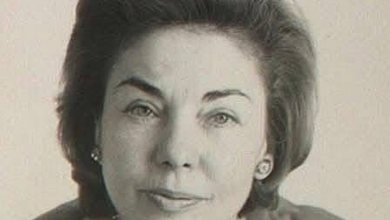
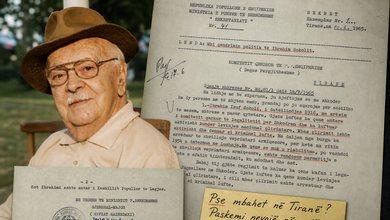
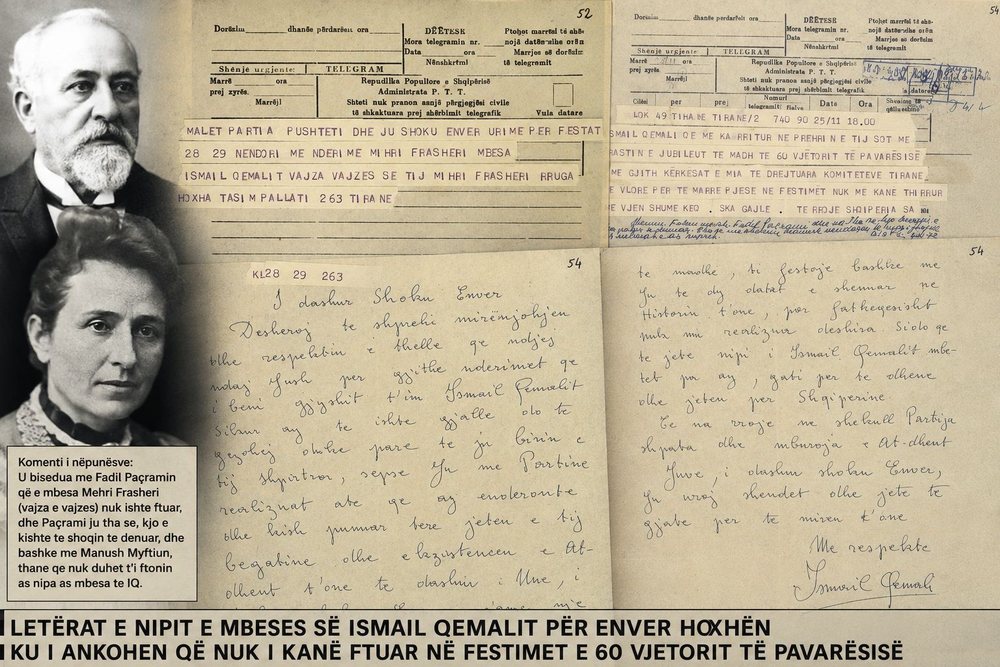
Documents and telegrams from the time show that Mehri Frashëri, the granddaughter of Ismail Qemali, had requested to participate in the ceremonies of the great independence anniversary. In her telegram to Enver Hoxha, she wrote with pain that all her requests to the committees in Tirana and Vlora had gone unanswered.
"I'm very sorry. It's okay. May Albania live as long as the mountains," she wrote at the end of the telegram, in a sentence that sounds like surrender, but also like a silent wound.
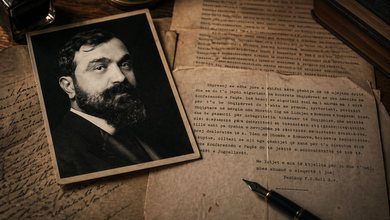
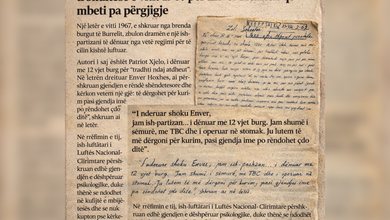
In another letter, another descendant of Ismail Qemali's family addressed Enver Hoxha personally with tones of respect and loyalty, recalling the sacrifices and spiritual connection with the figure of the founder of the Albanian state. The letter is filled with a humility typical of the time, where the author feels the need to declare loyalty to the Party before demanding the minimum right: presence at the celebrations for his grandfather.
But what makes this story even more shocking is the internal note of the regime's functionaries. According to the administration's comments, the fact that Mehri Frashëri was not invited was discussed with Fadil Paçrami. The reason? Her husband was a political prisoner. And then, according to the document, Paçrami, together with Manush Muftiu, had reached the absurd conclusion: neither Ismail Qemali's grandchildren nor nieces should be invited.
Thus, the regime that claimed to protect the legacy of Independence excluded the family of the man who raised the flag in Vlora from the ceremony.
It is one of those episodes that most clearly shows how dictatorship did not recognize history, blood, or merit when political biography was considered “tainted.” In Enver Hoxha’s Albania, even the surname Ismail Qemali was not enough to escape the stigma of class warfare.
In the end, the bitter irony of history remains: Ismail Qemali was talked about on the podium, while his descendants watched the celebration from afar as if tainted with a "bad biography."