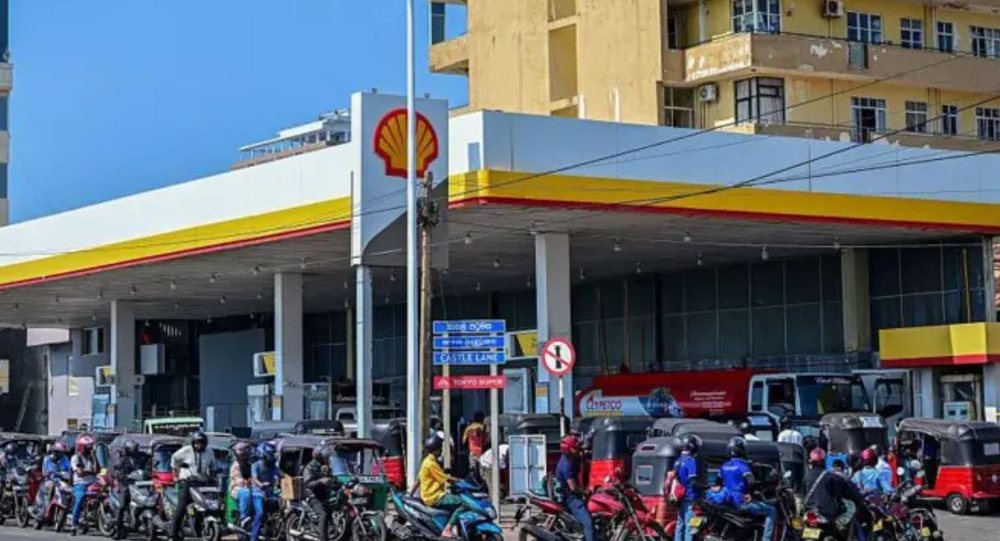
Asian countries are taking a series of austerity measures to save fuel as they face the risk of energy shortages following the escalation of the conflict between the United States, Israel and Iran.
Asia, the world's largest oil-importing region, remains particularly dependent on supplies passing through the Strait of Hormuz, one of the most important arteries of global energy trade.
Data shows that nearly 90% of the oil and gas that passed through this corridor last year was destined for Asian countries, increasing their sensitivity to any potential disruption.
In this context, governments of several countries have begun implementing concrete policies to reduce consumption.
Sri Lanka has declared Wednesday a public holiday in an effort to reduce fuel consumption. Drivers must also register for a National Fuel Permit, which limits the amount of fuel they can buy.
In Myanmar, restrictions on private vehicle movement have been imposed on alternate days, based on license plate numbers. Meanwhile, Bangladesh has brought forward the start of the Ramadan holidays in universities and imposed planned nationwide power outages.
In the Philippines, some public institutions have forced employees to work from home at least one day a week as part of efforts to reduce consumption.