A year after his arrest in New York, Palestinian activist Mahmoud Khalil continues to live in complete uncertainty as American courts consider whether he should be deported from the United States.
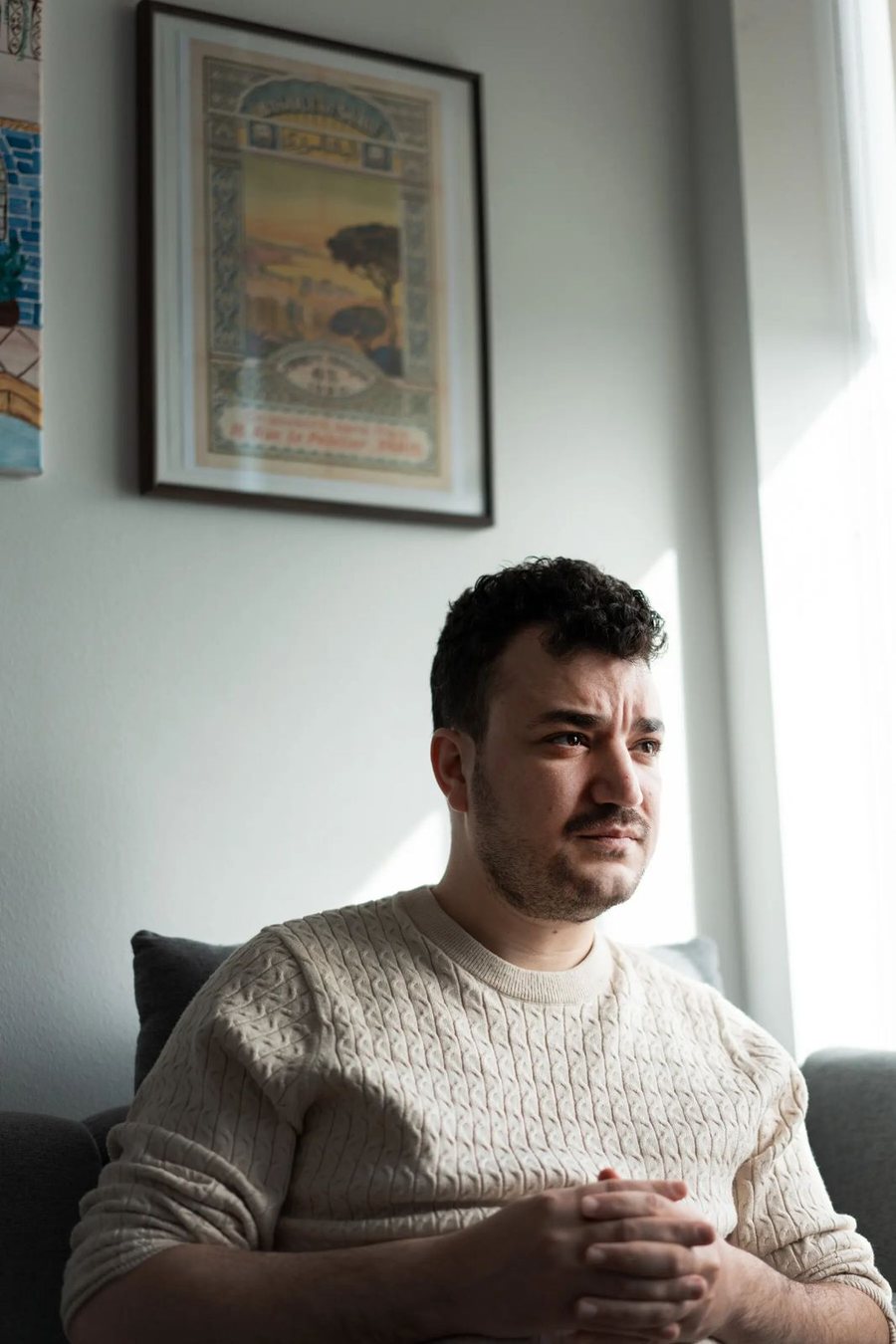
Khalil, 31, a graduate of Columbia University and a permanent resident of the US, became a symbol of the Donald Trump administration's crackdown on pro-Palestinian protests on university campuses.
He was arrested last year in the building where he lived, owned by Columbia University, while his wife, Noor Abdalla, a US citizen and then pregnant, witnessed the arrest.
After several months in a detention center in Louisiana, a federal judge ordered his release. However, more than 250 days after his release, Khalil continues to live in a condition he describes as “torture.”
"Uncertainty is like torture. I can't plan absolutely anything," he said in a recent interview.
The US administration accuses Khalil of spreading anti-Semitism during protests against the war in Gaza at Columbia University and of failing to declare certain information on his application for permanent residency.
Khalil has denied these allegations, stressing that criticism of Israel is not necessarily anti-Semitism and that he has not concealed any information in his documents.
However, US authorities continue efforts to deport him, while the case is being heard simultaneously in federal and immigration courts.
Because of his legal situation, Khalil cannot work a regular job and lives in fear that he could be arrested again at any moment. He avoids going out alone, even with his 11-month-old son, Deen, who is a US citizen.
During this period, he is writing an autobiographical book, where he tells the story of his life as a Palestinian refugee born in Syria and the experience of arrest and detention in the US.
Meanwhile, the Board of Immigration Appeals could make a decision on his deportation as early as this month. If that decision is upheld by the courts, Khalil risks being deported from the US in the coming months.
His case has become a symbol of the larger debate in the US over freedom of expression, pro-Palestinian protests and immigration policy.