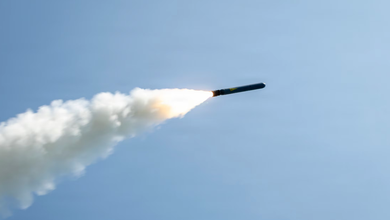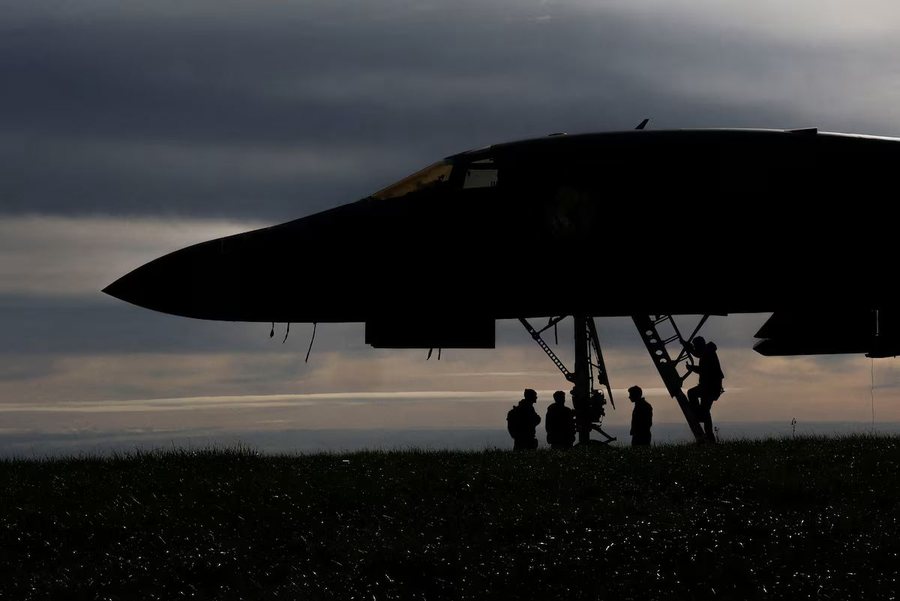
US Defense Secretary Pete Hegseth warned that Tuesday would be the most intensive day of US air strikes on Iran since the start of the war. Speaking from the Pentagon, he said that “the largest number of fighter jets and bombers” would be deployed, while the US military is offering President Donald Trump “all the maximum options” for conducting military operations.
However, Trump has given vague signals about the duration of the conflict. He initially stated that the war could end "very quickly," but also warned of much harsher attacks on Iran if Tehran tries to block oil traffic in the Strait of Hormuz.
Meanwhile, clashes continue on several fronts in the Middle East. The Israeli military announced a new wave of bombings in Tehran, while Iran continued retaliatory attacks on Persian Gulf countries. In Manama, one person was killed after an Iranian attack hit a residential building, while a drone caused a fire at an oil refinery in the United Arab Emirates.
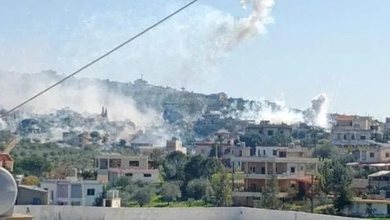
The fighting has also severely affected maritime traffic in the Strait of Hormuz, through which about a fifth of the world's oil passes. Meanwhile, in Lebanon, clashes between Hezbollah and the Israeli army have intensified, causing a new wave of population displacement.
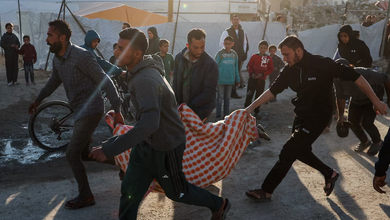
According to UN data, in the last week alone, around 700,000 people have been displaced in Lebanon, while the conflict has now entered its 11th day with no sign of diplomatic negotiations to end the war.