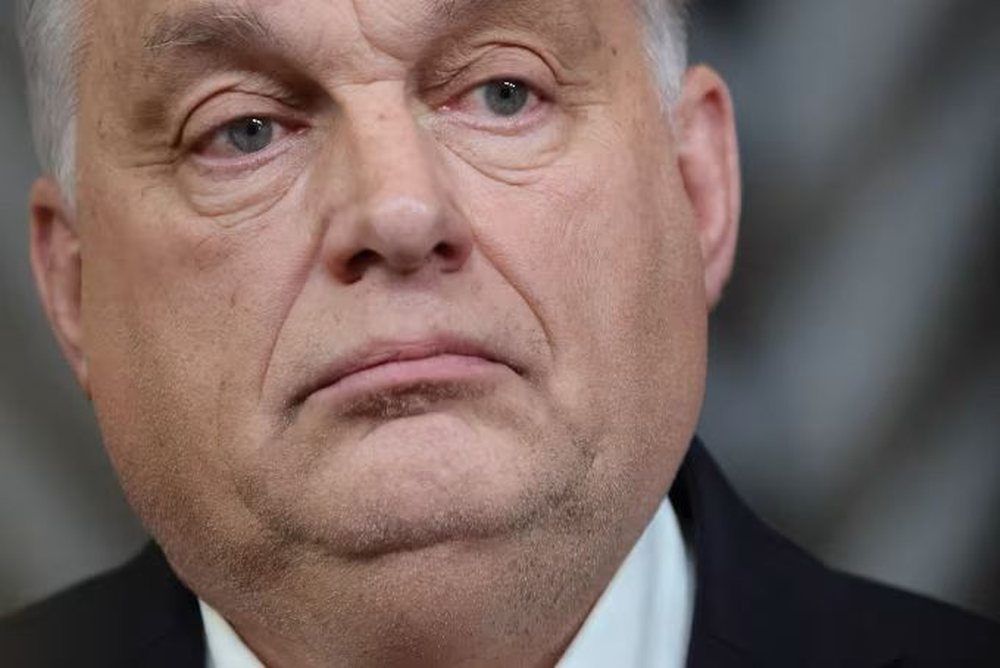
Hungary's Prime Minister Viktor Orbán told supporters in a speech that the biggest threat to the country comes not from Russia but from the European Union. The statement comes at a tense political moment, just eight weeks before parliamentary elections on April 12, in which his nationalist Fidesz party faces its most serious challenge in more than a decade.
According to independent polls, Fidesz is trailing the center-right Tisza party and its leader Péter Magyar, who promises to restore closer relations with Western allies and a more democratic course for the country.
In his speech, Orbán compared the EU to the Soviet regime that dominated Hungary for decades during the last century, declaring that Hungarian citizens “should fear not the East, but Brussels.” He also downplayed the threat posed by Russian President Vladimir Putin to European security, calling fears of him “primitive and not serious.”
Tense relations with the West
The Hungarian government has long been at odds with European institutions, which have frozen billions of euros in funding for Budapest over concerns about judicial independence, corruption and democratic standards. At the same time, Orbán has opposed military and financial aid to Ukraine and maintained close relations with Moscow, a policy his NATO and EU partners have often criticized.
On the eve of the elections, he has accused the opposition of being a project created by Brussels elites to overthrow his government — a claim that Tisza has categorically denied.
Trump at the center of rhetoric
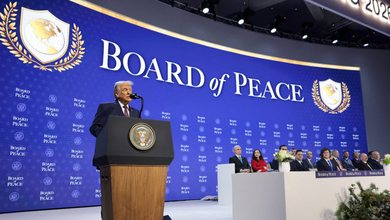
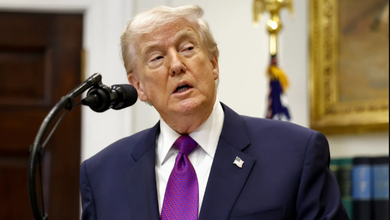
In the same speech, Orbán praised the support of US President Donald Trump, saying that the international political climate is changing in favor of nationalist forces and that Hungary can "cleanse itself of foreign influences" after the elections.
A crucial election race
The April 12 election is expected to be the biggest test for Orbán since his return to power in 2010. As Hungary's economy faces challenges and tensions with the EU remain high, the clash between Orbán's sovereignist vision and the opposition's pro-European line could determine the country's future political direction.