According to British authorities, analyses of biological samples taken from Navalny's body have revealed the presence of epibatidine - a highly toxic substance, for which official London says "nothing justifies" why it was found in his body, writes the BBC .
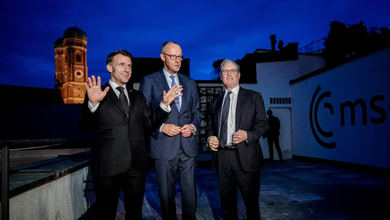
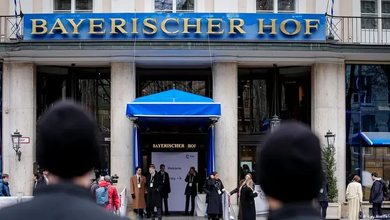
Speaking at the Munich Security Conference, British Foreign Secretary Yvette Cooper said only the Russian government had the “means, motive and opportunity” to use this deadly toxin against Navalny during his imprisonment in Russia. She met with his wife, Yulia Navalnaya, in Munich.
According to Cooper, Moscow considered Navalny a political threat and the use of this type of poison shows, according to her, the Russian state's deep fear of the opposition.
Britain has also been supported in these accusations by Sweden, France, the Netherlands and Germany. Official London announced that it had informed the Organization for the Prohibition of Chemical Weapons of an alleged violation of the Chemical Weapons Convention by Russia.
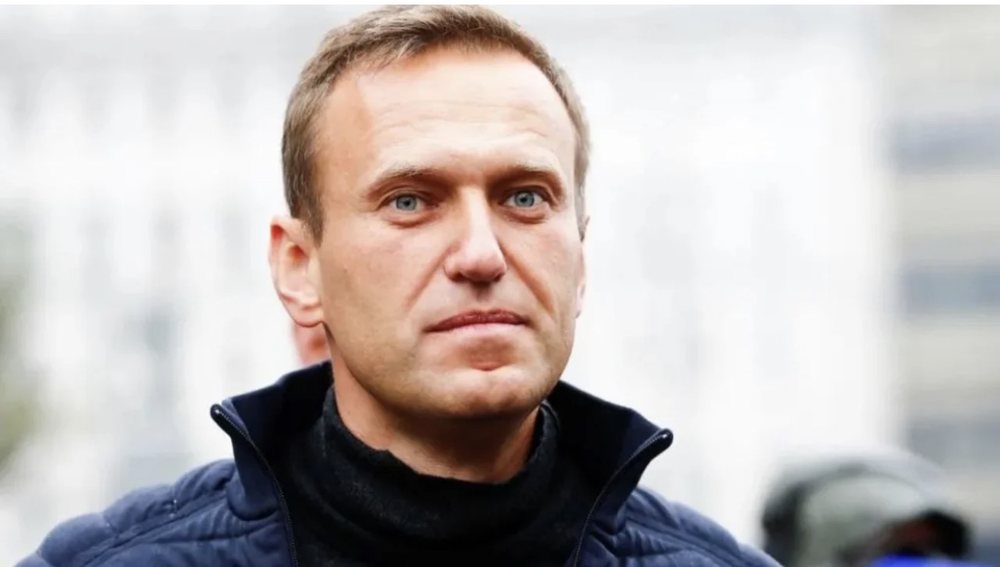
Alexei Navalny, a prominent anti-corruption activist and Russia's most prominent opposition figure, died on February 16, 2024, at the age of 47, while serving a prison sentence in an Arctic penal colony. He had spent three years in prison on charges his supporters have called politically motivated.
Navalny was also poisoned with the nerve agent Novichok in 2020, before being sent to Germany for treatment. Upon his return to Russia, he was immediately arrested at the airport.
His wife, Yulia Navalnaya, has repeatedly insisted that he was poisoned while serving his sentence. Following the latest London announcement, she said she had been convinced from day one that her husband had been poisoned and that now, she said, there was evidence.
The Kremlin has not responded to the new allegations. Russian President Vladimir Putin, a month after Navalny's death, briefly referred to the case, saying that "the loss of a person is always a sad event," without mentioning him by name.