WASHINGTON, May 2 (Reuters) –
More than two months into a conflict that has not yielded a decisive military or diplomatic victory, US President Donald Trump faces the risk that the confrontation with Iran will drag on indefinitely and create an even bigger problem for the US and the world.
With both sides showing confidence they have the upper hand and positions widely divergent, there is no clear path out, even though Iran has put forward a new proposal to restart negotiations. Trump promptly rejected it on Friday.
For the US president and the Republican Party, the consequences of a prolonged deadlock are grim. An unresolved conflict is expected to have global economic consequences, including high fuel prices in the US, increasing pressure on Trump as his approval ratings fall and hurting Republicans' chances in the November elections.
These costs highlight a deeper problem: the war has failed to achieve many of Trump’s stated objectives. Although US and Israeli strikes have severely damaged Iran’s military capabilities, the often-shifting goals – from regime change to halting its nuclear program – remain unfulfilled.
Fears of a prolonged stalemate have increased after Trump canceled a visit by negotiators to Islamabad and then rejected an Iranian offer to halt the war, which had been suspended since April 8 under a ceasefire agreement.
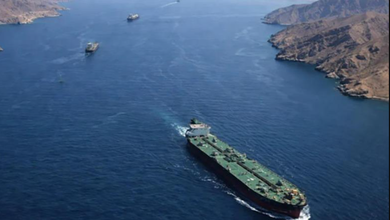
Tehran proposed that the discussion on the nuclear program be postponed until the formal end of the conflict and an agreement to reopen the Strait of Hormuz was reached. This was unacceptable to Trump, who wants the nuclear issue to be addressed from the beginning.
A small sign of hope emerged on Friday, when the state news agency IRNA reported that Tehran had sent a revised proposal through Pakistani intermediaries, bringing down global oil prices. Trump said he was not “satisfied” with the offer, although he said phone calls were continuing.
Failure to regain control of this vital oil transportation route at the end of the conflict would be a major blow to Trump's legacy. According to Laura Blumenfeld, a Middle East expert at Johns Hopkins, he may be remembered as the president who made the world less safe.
Meanwhile, the White House insists that military and economic pressure is increasing Iran's "desperation" and that Trump "has all the cards in his hand and the time necessary to reach the best deal."