Talks between the United States and Iran have been accompanied by ongoing tensions, threats and unsuccessful attempts at agreement.
Below is a chronology of the main developments:
On February 28 , the conflict erupted after the US and Israel launched attacks on Iran, marking the failure of diplomatic efforts.
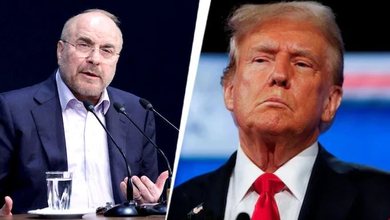
On March 6 , US President Donald Trump declared that there would be no deal with Iran "except unconditional surrender."
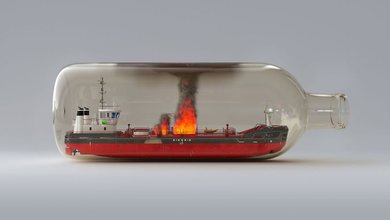
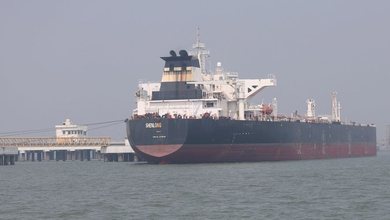
On March 21 , Trump set a deadline, threatening to strike Iran's energy infrastructure if the latter did not open the Strait of Hormuz.
Just two days later, on March 23 , he extended the deadline, citing "productive talks," which was followed by several more postponements.
On April 7 , Trump warned that "an entire civilization will die" if the strait was not opened by a new deadline.
The following day, on April 8 , Pakistan intervened as a mediator and announced a two-week ceasefire between the parties to allow negotiations to continue.
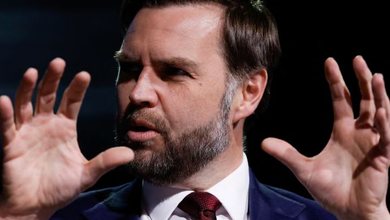
On April 11 , senior officials from both countries, including US Vice President JD Vance and Iranian Foreign Minister Abbas Araghchi, met in Pakistan. After 21 hours of intense talks, the sides remained far from an agreement on key issues.
On April 12 , Trump announced the imposition of a blockade on Iranian ports, increasing pressure on Tehran.
On April 17 , Iranian Foreign Minister Abbas Araghchi stated that the Strait of Hormuz would remain open for the remainder of the ceasefire, while Trump stressed that the US blockade would continue.
A day later, on April 18 , the Islamic Revolutionary Guard Corps announced that it would block the strait again. At the same time, Trump declared that “very good talks” were taking place, but reiterated that the US would not be “blackmailed” over the strategic waterway.