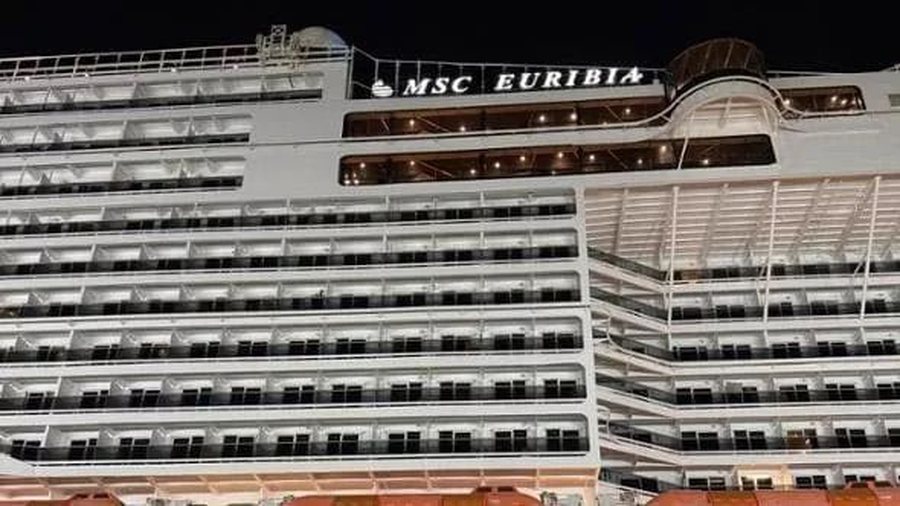
A large cruise ship docked in Dubai has become a kind of "golden cage" for around 5,000 tourists, including 576 Italians, who have been stranded due to bombings and tensions in the Persian Gulf region.
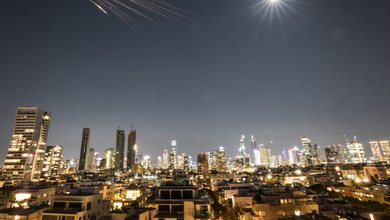
Mobile phone alarms often go off even in the midst of the ship's normal activities. One of them went off at 8:12 p.m., while a classical song was being played in the piano bar, signaling another missile attack in the skies over the United Arab Emirates.
The MSC Euribia, docked at Port Rashid in Dubai along with six other large cruise ships, has remained in port since Sunday. It can accommodate up to 6,000 passengers in 2,400 cabins and is designed to run on liquefied natural gas to reduce pollution.
The tourists had planned a week-long trip to Qatar, Bahrain and the United Arab Emirates, but ended up in the midst of tensions and missile attacks.
"It's a wedding anniversary we'll never forget," say Silvia and Sandro Lo Surdo, retirees who live in Milan. The trip was a gift from their grandchildren for their 50th wedding anniversary.
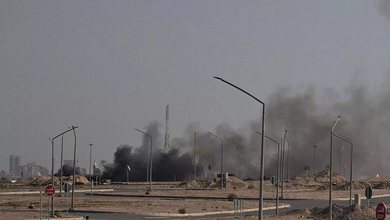
According to them, the first two days were difficult: explosions were clearly heard and alarms went off five times during the night. Then the situation was explained and the fear subsided somewhat.
Life on board continues with normal activities: 10 restaurants, 21 bars, four swimming pools, casino and theater, but many passengers say their biggest anxiety is the uncertainty about when they will be able to return home.
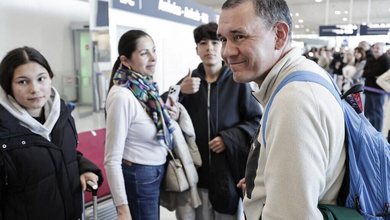
The closure of many airports in the region due to rocket attacks has prevented tourists from leaving. Only a group of about 600 people, including 170 Italians, managed to leave Abu Dhabi after coordination between MSC Crociere, the airlines and Italian authorities.
The ship's commander, Paolo Benini, said that priority for departure has been given to families with children and people with health problems. According to the plan, about 1,500 people from various countries are expected to return home by Saturday.
However, any new alert for attacks in the region could change plans, while the future of travel remains uncertain due to the geopolitical situation and the closure of the Strait of Hormuz.