


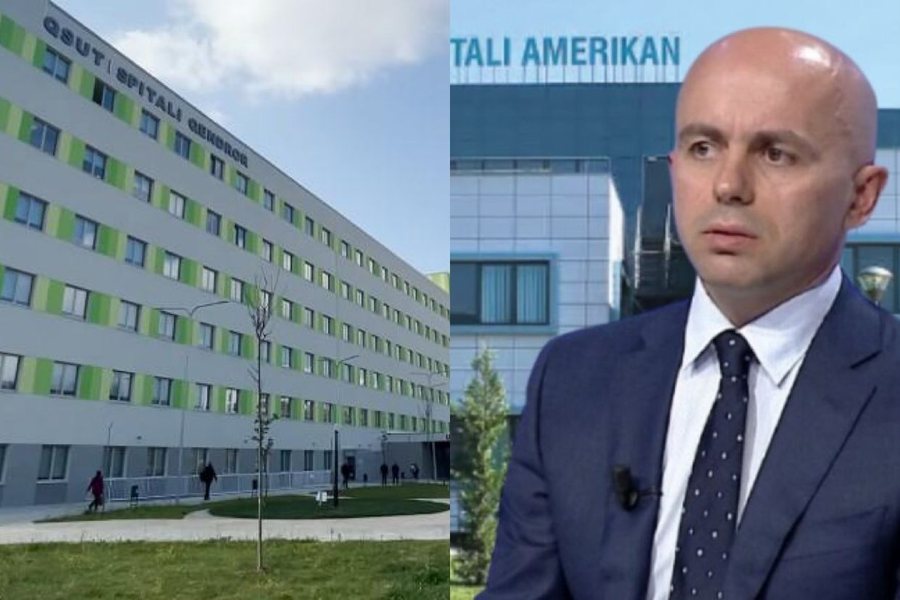
Although the promise of performing kidney transplants at the University Hospital Center was made in 2023, the university hospital center has still not been able to offer this vital procedure. As a result, the state continues to pay millions of lek to private hospitals for services that it should have provided within the public system.
The QSUT does not yet have the rooms equipped with the necessary equipment for renal transplantation, nor the acute kidney injury (AKI) therapy package, a life-saving procedure for critically ill patients. These shortages have turned kidney transplantation into a de facto private service, where citizens are dependent on private clinics for interventions that should have been performed at the public center.
During 2024, 14 kidney transplants were performed, but none of them were performed at the QSUT. Seven transplants were performed at the private hospital "American Hospital" and seven at "Hygeia", both owned by businessman Klodian Allajbeu, who practically controls this service in the country.
It is reported that the cost of a transplant in these two hospitals ranges from 20-21 thousand euros. With simple math, for 14 transplants performed in 2024, approximately 280 thousand euros are calculated, all of which have gone into the coffers of businessman Allajbeu.
Meanwhile, the QSUT, which should have been the main referral center for this type of intervention, does not offer either transplantation or acute rejection therapy, forcing the state to purchase the service from private companies and increasing costs for the country's budget.
The situation is expected to worsen with the imminent expiration of the dialysis concession, which ends in 2026. Although QSUT already has equipment inherited from the concessionaire and could take over the service, there is a risk that the contract will be extended for several years, making the process more expensive and unnecessary, while the dialysis equipment is functional and the concession is under investigation by SPAK.
Instead of a sustainable health strategy, where kidney transplantation would be centralized as a national public service, the government has chosen the most costly solution: payments to private individuals. The result is a model of degradation of the public hospital system: the QSUT does not perform critical procedures, while private hospitals collect millions of euros from the state and control the market. For the Albanian patient, this means total dependence on the private sector for services that any normal state provides itself.