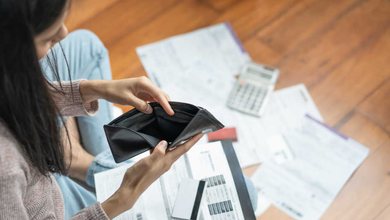


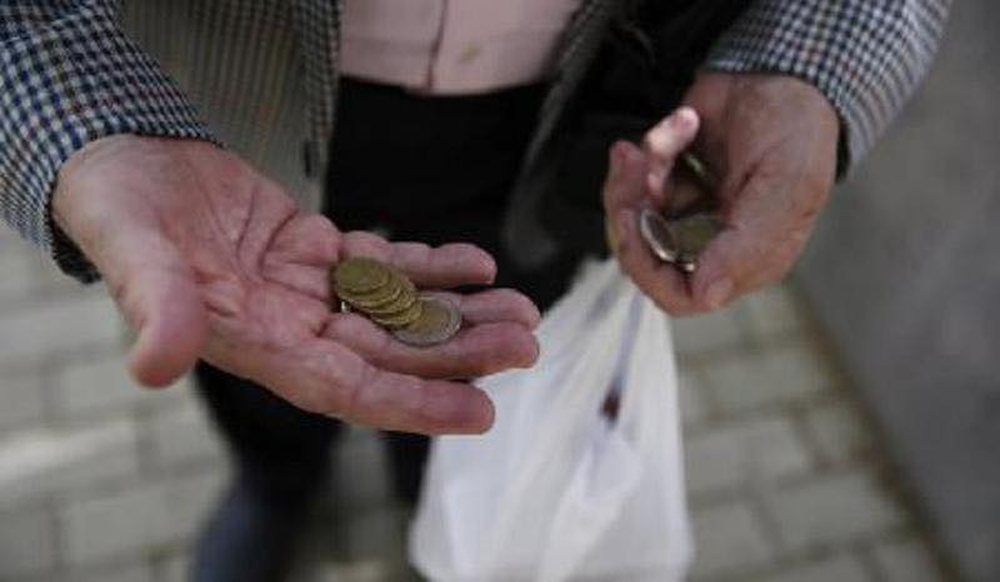
Around 55% of Albanian families claim to be able to meet their monthly expenses “with great difficulty” or “with difficulty”, indicating a high level of economic insecurity. This percentage is much higher than the European Union average, where only 17% of citizens feel poor. In the Balkan region, the situation is somewhat easier: 34% of Serbs, around half of Montenegrins and almost half of Macedonians perceive themselves as poor.
The data was published by Eurostat, which also measures subjective poverty – citizens' perception of their economic situation – in addition to traditional indicators such as the risk of being poor, severe material and social deprivation, or living in a household with unemployed members. According to this indicator, Albanians rank second in Europe after the Greeks, where 67% of the population feels poor.
Although the perceptual data are alarming, there is a large gap between perceived poverty and that measured by official institutions. In Albania, monetary poverty according to official measurements for 2024 is around 20%, while more than half of the population thinks they live in poverty, creating a difference of over 30 percentage points. INSTAT reported that during 2024 the at-risk-of-poverty indicator was 19%, with an income threshold of only 330 lek per day per person, or around 9,700 lek per month, reflecting the difficult economic reality that many Albanian families experience every day.