Disruptions to energy supplies threaten to hit the global economy.
Oil and gas prices rose sharply while global stock markets fell on Monday as the escalating conflict in the Middle East disrupted energy supplies from the region and threatened to hit the global economy.
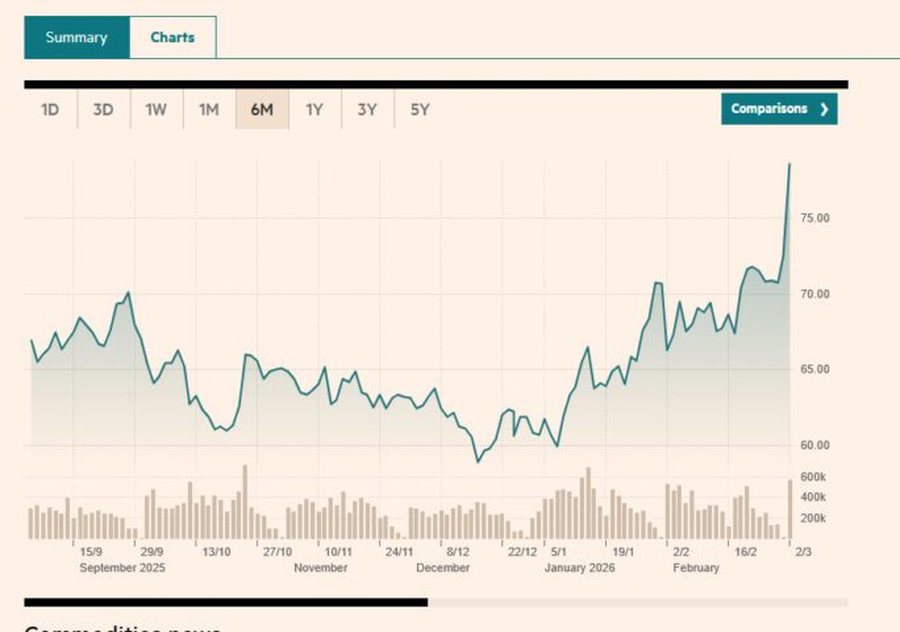
In the first trading session since airstrikes launched by the US and Israel on Saturday against Iran, Brent crude, the international benchmark, rose as much as 13 percent. European gas prices rose 24 percent.
Gold rose while global stocks fell. The benchmark Stoxx Europe 600 index fell 1.8 percent, led by declines in airlines and hotel groups.
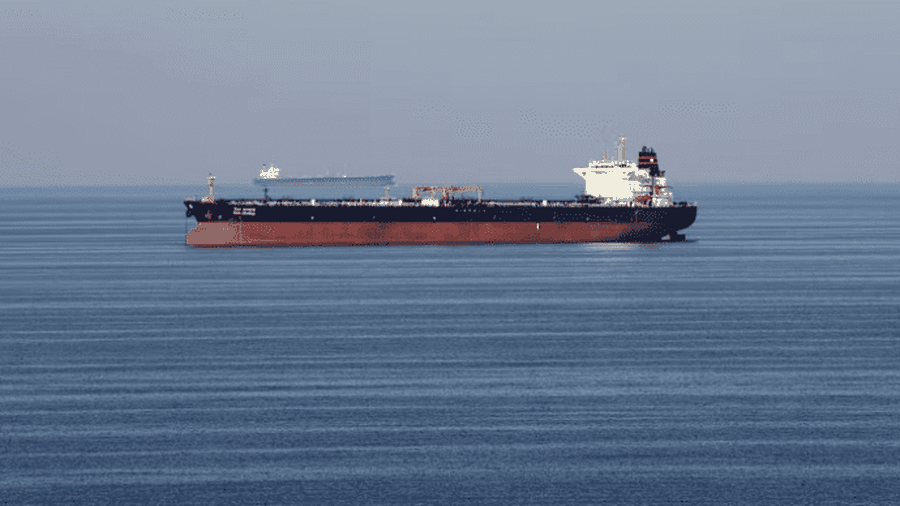
Activity in the Strait of Hormuz, the narrow waterway at the entrance to the Gulf through which about a fifth of the world's oil and gas passes, has slowed to a near standstill following the attacks.
Tehran's retaliatory attacks on its Gulf neighbors also threaten regional infrastructure that is critical to the global energy market. Qatar and the United Arab Emirates produce about a fifth of the world's liquefied natural gas and typically export it to Asia and Europe through the Strait.
“The implications of this conflict for the global economy depend on the flow of oil and gas through the Strait of Hormuz,” said Norbert Rücker, head of economics at Julius Baer. “The most frightening scenario is not its closure, but serious damage to key oil and gas infrastructure in the region.”
Analysts at Morgan Stanley said a significant amount of crude oil already sitting outside the Gulf could help ease the shortage in the oil market.
Martijn Rats, an analyst at the bank, said Saudi Arabia and the United Arab Emirates have increased exports by an additional 1.5 million barrels per day so far this year, and calculated that Saudi Arabia could sustainably transport 7 million barrels per day to its Red Sea terminal, bypassing the Strait of Hormuz. China has also stockpiled about 1 million barrels per day of crude oil over the past six months to deal with any potential disruptions.
Futures contracts tracking the S&P 500 index showed the index expected to fall 1.6 percent when Wall Street opens. While those tracking the Nasdaq technology index were down 1.9 percent.
In European markets, International Airlines Group, the owner of British Airways, fell 10 percent, while Air France-KLM fell 7 percent. French hotel chain Accor fell 8.5 percent.
Gold rose 1.6 percent to $5,362 an ounce as investors sought safe-haven assets, while the dollar strengthened 0.6 percent against a basket of its major trading partners.
Brent crude gave up some of its earlier gains to trade up 8 percent in London.
Stock markets across Asia fell on Monday, with Japan's Topix index and Hong Kong's Hang Seng down 1.5 percent and 1.4 percent respectively./FT