


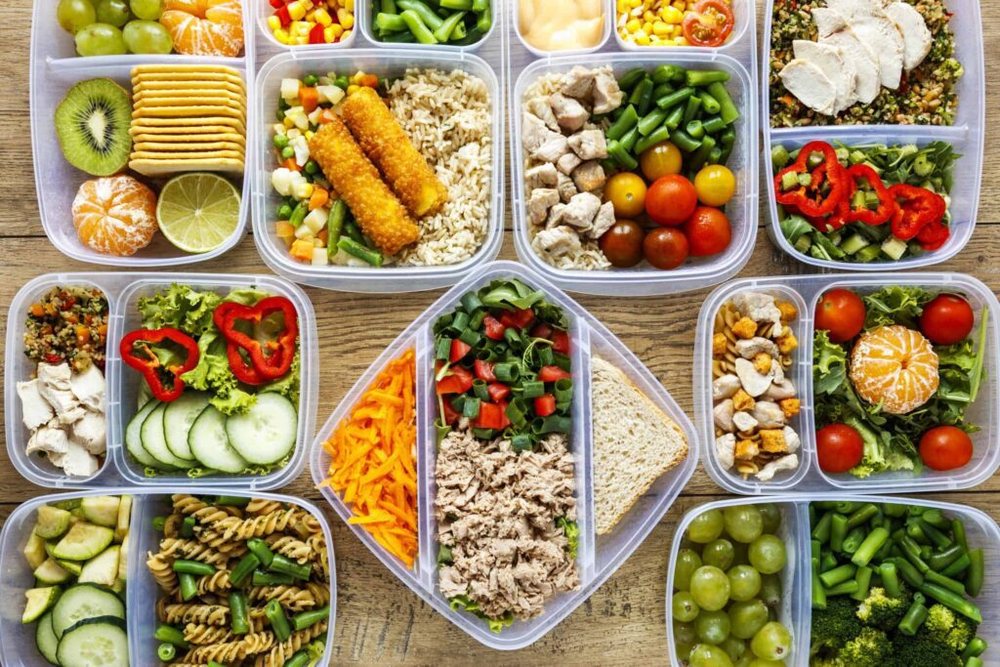
In a world where time has become a luxury, food is among the first things to adapt to this reality. In major cities, from New York to London, shelves of ready-to-eat foods have become a daily part of consumption, while supermarket chains and food companies have built an entire industry on the need for speed and convenience.
Lifestyle, long work hours and urbanization have pushed consumers towards ready-made solutions, turning food from a process into a product.
This trend, which has dominated developed markets for years, is gradually penetrating Albania. Although Albanian housewives continue to cook for the most part, the pace of life in large cities is changing consumption habits. Tourism has also had a strong impact, with the increase in the number of visitors looking for fast and ready-to-eat products, exerting direct pressure on the domestic market supply.
Referring to previous data from the “Big Market” supermarket chain, a growing orientation towards ready-made and packaged products has been observed, closely linked to increased consumption in workplaces and a more dynamic lifestyle. This development has been accompanied by an increase in turnover and the number of items sold, especially in central points, reflecting a stable consumption by resident customers.
Following this trend, Klaudja Karabolli, marketing director, emphasizes that the demand for packaged and semi-finished products has continued to grow, especially in urban areas. According to her, the accelerated pace of life has directly influenced consumers' preference for practical products with short preparation times.
This change is not only related to convenience. It also reflects the transformation of the way we work and organize our day, where lunch is increasingly consumed outside the home or in the workplace, increasing the demand for ready-to-eat and easily consumed products. At the same time, the expansion of the offer in major supermarkets is creating a new cycle of consumption, where demand and supply feed each other.
Regarding the expansion of the offer, Ms. Karabolli says that currently "Big Market" is in the study phase for a possible pilot of cooked products in several selected points. This decision will be based on detailed analysis of demand and an assessment of the financial sustainability of this segment.
If until yesterday home-cooked food was the norm, today the market is gradually moving towards a more flexible model. And although Albania still remains a market with a strong tradition of family cooking, signals show that even here, food is increasingly becoming a matter of time rather than just taste./Monitor