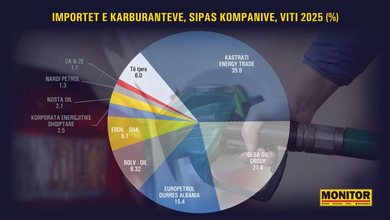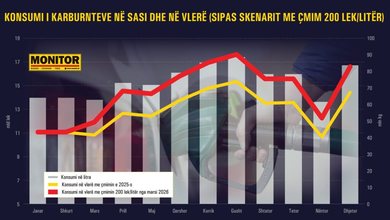



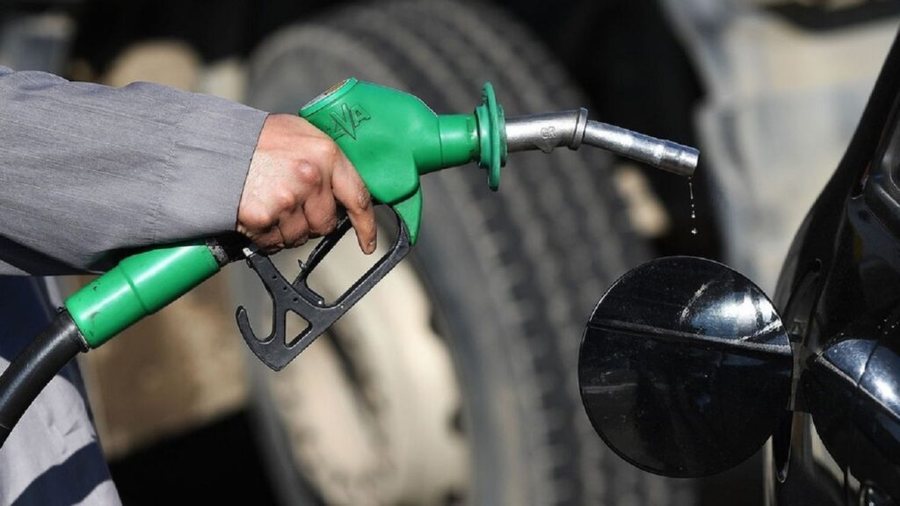
The Association of Hydrocarbon Companies has submitted a proposal to the government for reforming the turnover tax, which according to them would immediately lead to a reduction in the price of fuel. Oil is currently being traded at around 200 lek per liter, following the start of the conflict in the Middle East, from 170–175 lek previously, while on international exchanges the price has exceeded 100 dollars per barrel. If the crisis continues, prices are expected to increase further.
In a detailed proposal, market stakeholders suggest that the current tax of around 32.4 lek per liter be removed from fuel and replaced with a direct annual fee on vehicles, differentiated by category and impact on infrastructure.
According to the document, Albania consumes about 730 million liters of fuel per year, generating approximately 23.6 billion lek (about 246 million euros) in revenue from this tax. Importers propose that the same amount be collected through a new scheme, where each vehicle would pay an average of about 310 euros per year, with lower rates for small vehicles and higher rates for trucks and buses.
According to indicative calculations, the average fee would be around 310 euros per year per vehicle, with a differentiated structure according to categories:
about 40 euros per year for motorcycles
around 150 euros for small vehicles
around 200 euros for SUVs and off-road vehicles
over 500 euros for trucks and buses
They argue that the current system creates fiscal inequality, as the tax is paid the same for every liter of fuel, regardless of the type of vehicle or the damage it causes on the road. A new model would shift the burden towards heavier and more polluting vehicles, making the system fairer and more comparable to practices in European Union countries.
The proposal foresees a series of knock-on effects on the economy. The reduction in fuel prices is expected to increase regional competitiveness and reduce transport costs, reflecting in lower prices for goods and services. At the same time, increased consumption could partially offset the revenue losses through VAT and corporate income tax.
Another key element is the inclusion of electric vehicles in the tax base, which currently do not contribute through fuel, but are rapidly increasing in the market. The new scheme also aims to reduce smuggling and cross-border supply in border areas, further formalizing the market./Monitor.al/