



Civil emergency funds are increasing by about 5.8 billion lek this year (58 million euros), a 45 percent increase compared to 2025, according to official data from the Ministry of Finance, but considering the wide range of competencies that this institution has, they are a drop in the bucket in the vast range of needs.
According to the current law on civil emergencies, this institution is tasked with identifying and assessing the damages caused by (earthquakes, floods, fires, landslides, industrial accidents, etc.).
It drafts civil protection plans at national and local levels. It coordinates interventions, takes measures for the evacuation of the population, emergency shelter and protection of life and property. It assesses human, material and economic damage, coordinates humanitarian and logistical assistance and supports the recovery and reconstruction processes after disasters.
The government's calculations in the National Plan for Adaptation to Climate Risks show that from floods alone, the damage caused to the country from 1990–2023 is 2.3 billion US dollars, many times higher than the budgetary funds for their prevention. The same document states that at least 8–9 billion euros are needed to mitigate the damage that could come from the risks that climate change is creating.
The Albanian government allocates around 1.1 billion lek per year (12 million euros) from the state budget for drainage canals and embankments, which, unlike other budget funds, are implemented at 100 percent. The needs and capacities for drainage infrastructure appear to be much higher than the available funds, which constitute less than 1 percent of the budget funds for investments.
Data from the Ministry of Finance shows that the funds made available for civil emergencies in the last four years are 17 billion lek, around 170 million euros, but they are still too low to complete all the infrastructure needed to combat all types of natural disasters.
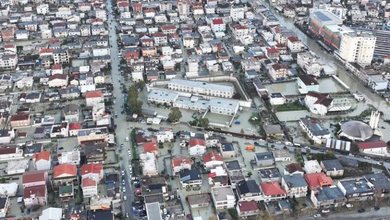
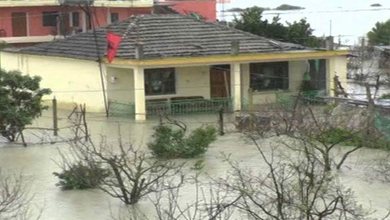
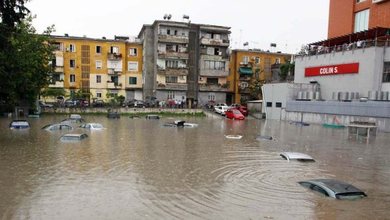
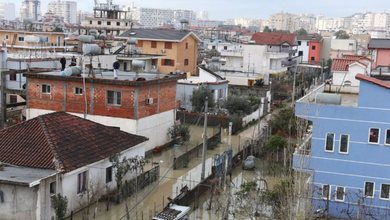
Floods, river overflows, landslides, or damage to urban and agricultural infrastructure often produce economic losses that exceed several times the annual funds made available for prevention, protection, and rehabilitation.
Despite the increase, the 2026 budget for civil emergencies is insufficient to focus on long-term investments in infrastructure and climate risk management, while compensation for damages requires an extra commitment.
Total global economic losses from climate disasters reached about 328 billion US dollars in 2024, an increase compared to 2023, according to data from the OECD. In the EU, according to recent analyses, annual economic losses from climate risks have increased significantly by about 45 billion US dollars per year./Monitor