


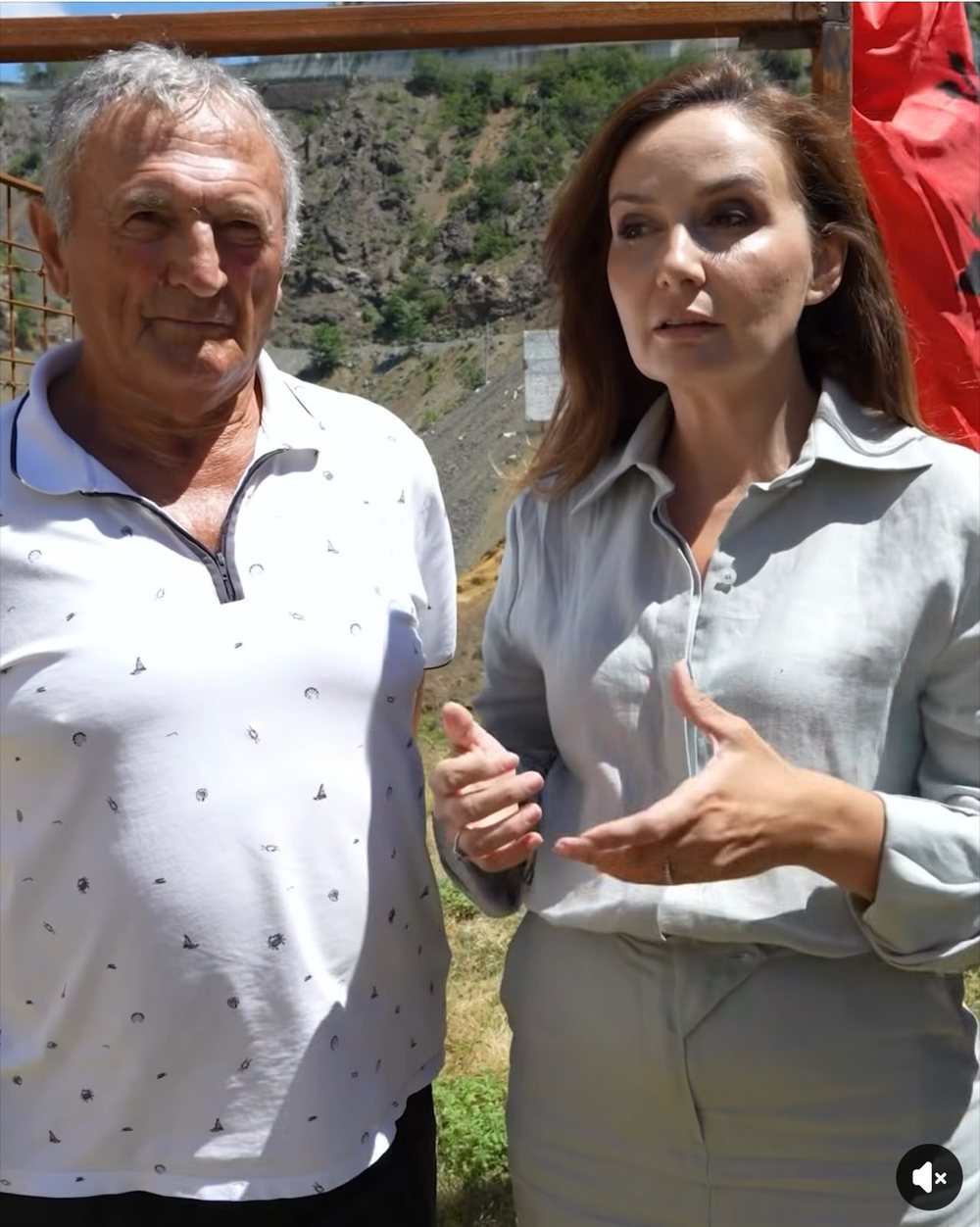
Go to Spaç with the EU ambassador. On the way, take a selfie video. Then give a speech about the crimes of communism, list the injustices that this class continues to suffer, including the lack of finding the remains of the victims. Finally, find a former political prisoner and publicly ask him what he needs. The video is ready.
This is the scenario Jorida Tabaku also chose during her visit to Spaç. But the question is different: hasn't she been a member of the Albanian Parliament for years and today the chairwoman of the Human Rights Commission? Doesn't she know better than anyone that former political prisoners have been used for decades by all of Albanian politics, including the Democratic Party, without receiving the solutions they were promised?
Curated appearances for social media are not only unnecessary, but also pathetic when the Parliament still has draft laws filed by DP deputies: to declare Spaçi and Tepelena museums of memory, to punish the crimes of communism, and two draft laws on lustration. None of these initiatives has been brought to fruition.
If Jorida Tabaku truly believes what she said in Spaç, then she doesn't need more videos. As the chairwoman of the Human Rights Commission, she can demand that these initiatives come out of the drawers of the Parliament. She can advocate that the Spaç Museum be built in Spaç itself and not in Reps, 6 kilometers away. She can demand that confronting the past not remain just a summer speech.
Memory doesn't need direction. It needs political will. And it's not measured by clicks, but by laws passed.