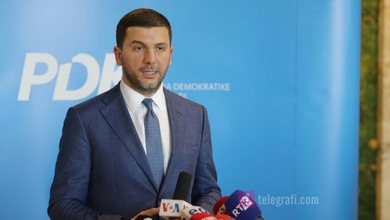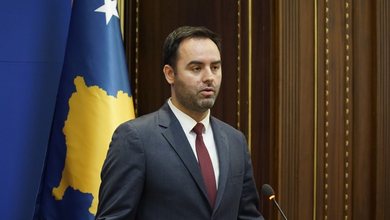


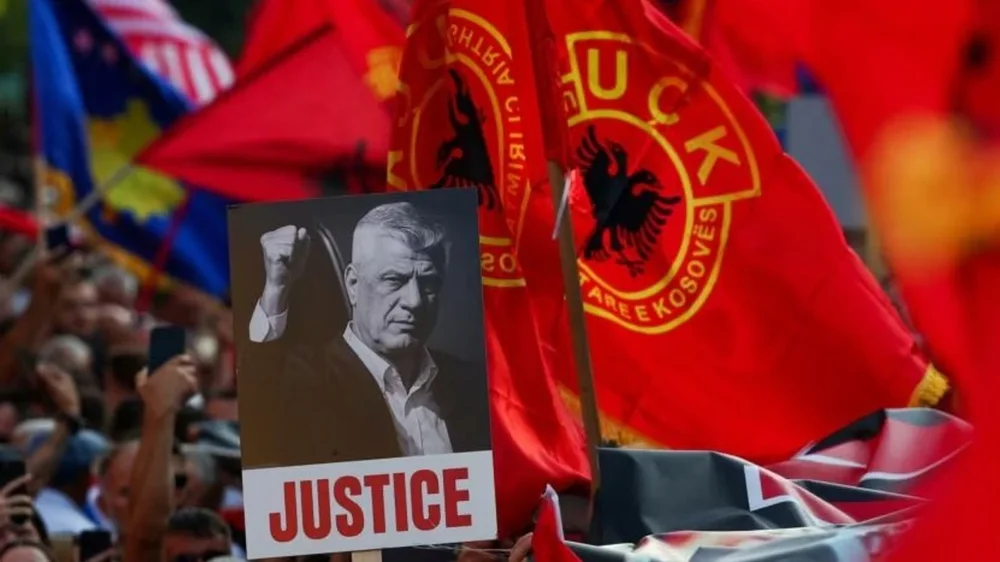
Two years of testimony, hundreds of witnesses, and a court that will decide how the Kosovo Liberation Army and its leaders: Hashim Thaçi, Kadri Veseli, Jakup Krasniqi, and Rexhep Selimi will be remembered.
The four, in custody since 2020, await the verdict in The Hague, while the last two years of testimony shed light on their roles and responsibilities during and after the war in Kosovo.
The Kosovo Liberation Army was formed in the early 1990s as a guerrilla group fighting for the rights of Albanians under the Serbian regime at the time. During the 1998-1999 war, it became the main force of armed resistance.
Its political leaders, including Hashim Thaçi, emerged on the international scene in early 1999, when they participated in the Rambouillet negotiations. There, the KLA was legitimized as a negotiating party in the process aimed at ending the war and paving the way for a political solution for Kosovo.
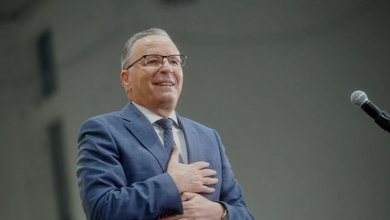
When the country declared independence in 2008, Thaçi was prime minister. Eight years later, he was elected president and served until 2020, when he resigned to face charges from the Special Court in The Hague.
"I will not allow the President of the Republic of Kosovo to appear before the court under any circumstances. Therefore, in order to protect the integrity of the Presidency of the Republic of Kosovo, the integrity of the state of Kosovo, the integrity and dignity of the citizen of Kosovo, the people of Kosovo, while also respecting the partnership with the international community, today I resign from the position of President of the Republic of Kosovo," Thaçi said on November 5, 2020.
In addition to Thaçi, Kadri Veseli, who was the head of the intelligence service in the KLA, Jakup Krasniqi - spokesman, and Rexhep Selimi from the general staff, also surrendered to the Court.
The indictment against them, confirmed on October 26, 2020 and published on November 5 of that year, charges each with crimes against humanity and war crimes committed from March 1998 to September 1999, in Kosovo and northern Albania.
According to the indictment, the four men were part of a “joint criminal enterprise” and “shared the common goal of gaining and exercising control over all of Kosovo through means that included intimidation, mistreatment, the commission of violence, and the unlawful removal of those considered opponents.”
These “opponents” allegedly included ethnic minorities – Serbs, Roma and others – as well as Albanians who did not support the KLA. At least 102 people are suspected of being killed and more than 20 others are considered missing.
The indictment also refers to the superior responsibility of the defendants, due to their high leadership positions within the KLA, for crimes committed by persons under their control and members of the “joint criminal enterprise”.
The four pleaded not guilty, and the trial began on April 3, 2023.
In his opening statement at the trial, acting specialist prosecutor Alex Whiting said that “the majority of the defendants’ victims were fellow Kosovo Albanians.”
"In their zeal to target and eliminate those they considered opponents, the defendants supported and implemented a policy that often victimized their own people," Whiting said.
During these two years, the prosecution presented hundreds of testimonies: 117 in writing and 125 witnesses who testified in the courtroom.
"Since he came, in '98, I have seen with my own eyes his [Thaci's] deeds... He thought of exterminating us... He thought of exterminating us... We don't have time, because we have other examples to show... I have many other examples. This is the truth... with the whole family, his goal was to exterminate us," said Fadil Geci, a prosecution witness, in October 2024.
Thaçi's defense began presenting evidence on September 15 of this year. Krasniqi's team called two witnesses in the courtroom and two written testimonies, while Veseli's and Selim's defenses did not present any evidence.
The defense witnesses – mostly senior Western officials with direct knowledge of the events – began with James Rubin, former US assistant secretary of state.
The defense strategy was to argue that the KLA did not have a clear command structure and that Thaçi, often outside Kosovo and in a political role, did not exercise authority over operations.
Rubin testified for three consecutive days, with current US State Department officials present as observers. Rubin testified that Thaçi “had superiors from whom he had to seek approval” and that he was “more of a public face to present to the West.”
“Hashim Thaçi had to turn to these [KLA] commanders for information, knowledge, decisions… So, I have seen him showing respect to them on substantive KLA issues,” Rubin said.
His testimony was supported by a series of figures who followed him to the witness stand – from Paul Williams, former legal advisor to Kosovo, to Wesley Clark, the general who led NATO's air campaign against then-Yugoslav targets in 1999.
"I remember seeing Thaçi, because he was the spokesman. He was clean, well-dressed, looked more Western than the others. He didn't look like he had been in the mountains, fighting for a year or two. It was clear that he was not responsible," Clark testified.
Clark ishte dëshmitari i fundit i mbrojtjes, duke e përmbyllur dëshminë e tij më 18 nëntor. Një ditë më vonë, gjatë konferencës mbi ecurinë e çështjes, avokati i Thaçit, Lluka Mishetiq, sinjalizoi se mbrojtja mund të kërkojë edhe një dëshmitar shtesë.
Megjithatë, mbrojtja dhe prokuroria ranë dakord që dosjet përfundimtare të dorëzohen deri më 30 janar të vitit të ardhshëm, apo 60 ditë pas përfundimit të paraqitjes së provave. Me këtë rast, po ashtu, u tha se deklaratat përmbyllëse nga ana e prokurorisë, mbrojtjes dhe përfaqësuesve të viktimave do të jepen pas dorëzimit të dosjeve finale.
Zëdhënësi i Speciales, Michael Doyle, i tha Radios Evropa e Lirë se “rregullat parashohin që gjyqtarët duhet ta shpallin aktgjykimin brenda 90 ditësh nga mbyllja e çështjes – përveç në rastet kur rrethanat kërkojnë më shumë kohë”.
Njohësi i çështjeve ligjore, Mark Ellis, pret që gjykimi të shpallet në pranverë ose fillim të verës. Ai vlerëson se çështja është në një pikë realisht të balancuar: provat aktuale lejojnë si mundësinë e dënimit, ashtu edhe të pafajësisë. Gjithçka do të varet nga mënyra se si gjykatësit do ta interpretojnë strukturën komanduesе të UÇK-së, sipas tij.
“Çdo dëshmi vlerësohet më vete, në bazë të besueshmërinë, saktësisë, qëndrueshmërisë, dhe jo në bazë të asaj se cila palë e ka thirrur dëshmitarin. Gjykatësit marrin parasysh faktorë të tillë si: sjellja e dëshmitarit, koherenca e rrëfimit, interesat apo paragjykimet e mundshme, si dhe mënyra se si dëshmia qëndron gjatë ballafaqimit në sallë”, shpjegon Ellis, drejtor i Odës Ndërkombëtare të Avokatëve, për programin Expose të Radios Evropa e Lirë.
Në këtë gjykim, prokuroria dhe mbrojtja ofruan dy rrëfime krejt të kundërta për UÇK-në: e para e paraqiti si organizatë të strukturuar me zinxhir komandimi deri te Thaçi, ndërsa tjetra si një grup gueril pa hierarki formale.
Ellis thotë se, në raste si këto, gjyqtarët duhet të vlerësojnë besueshmërinë e çdo versioni, sepse shpesh të dyja palët mund të kenë elemente të së vërtetës. Ai shton se standardet ligjore janë gjithashtu vendimtare në këtë proces.
“Për shembull, ligji ndërkombëtar mbi përgjegjësinë komanduese dhe ‘ndërmarrjen e përbashkët kriminale’ nuk kërkon domosdoshmërisht një hierarki të zakonshme ushtarake; mjafton kontrolli efektiv ose një organizim funksional për të zbatuar një plan të përbashkët. Gjyqtarët do të shqyrtojnë nëse Thaçi dhe të tjerët kishin kontroll efektiv mbi ata që kryen abuzime”, thotë Ellis.
Dhe, provimi i ekzistencës së një hierarkie – formale ose faktike – si dhe përcaktimi i rolit të secilit të pandehur brenda saj do të janë vendimtare për ngritjen e përgjegjësisë penale, përfundon Ellis.
Ky gjyq është më i rëndësishmi deri më tani për Gjykatën Speciale, e cila është pjesë e një përpjekjeje ndërkombëtare për të hetuar konfliktet e brendshme në Kosovë, gjatë dhe pas luftës për pavarësi, në fund të viteve ‘90.
Whatever the decision, it is expected to have repercussions beyond Kosovo – perhaps even to the US, because, as Rubin pointed out in his testimony, Thaçi has, for years, worked closely with Washington for peace and independence.
Joe Biden, as US vice president, called him the "George Washington of Kosovo" when he visited the White House in 2010.
Richard Grenell, who was the special envoy for negotiations to normalize relations between Kosovo and Serbia during President Donald Trump's first administration, described Thaçi's detention as a "grave injustice."
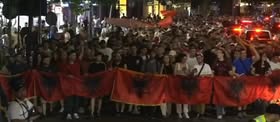
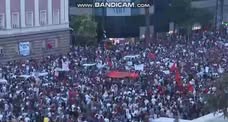
The Kosovo Liberation Army, although disbanded, remains a popular organization for many Kosovars, who attribute the war that led to independence to it. Therefore, many citizens believe that the Special Court in The Hague is biased against the KLA and aims to discredit its role. This has prompted several protests not only in Pristina, but also in Tirana, The Hague and other cities.
The Specialist Chambers, officially known as the Kosovo Specialist Chambers and the Specialist Prosecutor's Office, operates as part of Kosovo's judicial system, but is staffed by international judges and prosecutors. In terms of staff, Americans are the second largest group after the Dutch.
Their decision will determine not only the responsibility of the defendants, but also the way Kosovo sees and narrates a sensitive part of its recent history./REL.