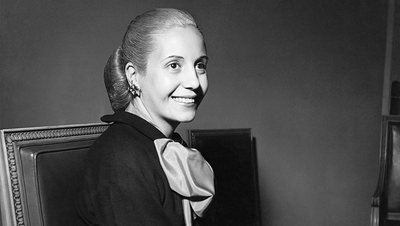



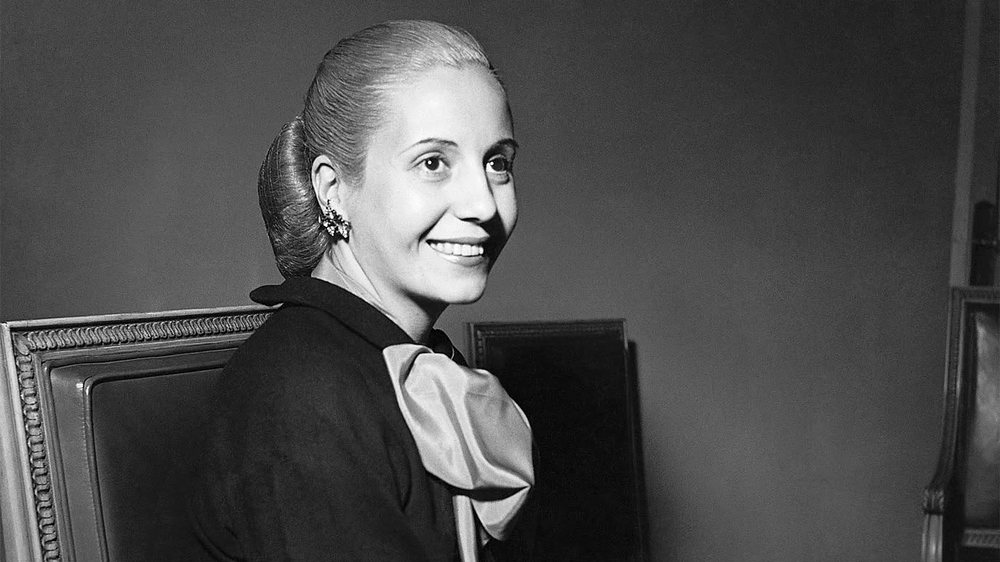
When Eva Perón, known worldwide as Evita, died of cervical cancer on July 26, 1952, at the age of just 33, no one could have imagined that her body would become part of one of the darkest and most mysterious stories of the 20th century.
At the behest of her husband, Argentine President Juan Perón, the renowned Spanish anatomist Pedro Ara embalmed her body using a technique similar to that used for Lenin and Stalin. The intention was that Evita would be laid to rest forever in a monumental mausoleum, as a lasting symbol of Peronism and the working class.
But the story took a dramatic turn just three years later.
The coup and the disappearance of the body
In September 1955, Juan Perón was overthrown from power in a military coup and forced into exile.
The new regime considered Evita a dangerous political symbol and decided to destroy her body, fearing that the tomb could become a place of pilgrimage and resistance.
Thus began a 16-year odyssey that continues to fuel myths and legends even today.
Hidden in warehouses, vans and offices
Initially, the body was secretly transported to various locations in Buenos Aires.
According to contemporary accounts, she was held in a van parked on the street, behind the screen of a movie theater, and even in the city's waterworks.
But wherever she was moved, people managed to find her. Flowers and candles appeared near the place where the body lay, showing that Evita had not been forgotten.
At one point, the head of the military intelligence service, Carlos Moori Koenig, kept the coffin in his office and, according to former colleagues, developed a morbid obsession with her body.
Buried in Italy with a false identity
In 1957, authorities decided to secretly remove the body from Argentina.
Evita was buried in a cemetery in Milan, Italy, under the false name María Maggi de Magistris, and no one knew where she was.
Meanwhile, graffiti began appearing in Buenos Aires with the question:
"Where is Eva Perón's body?"
The demand for its return became one of the main symbols of the Peronist movement.
Return to Madrid
In 1971, as the political climate in Argentina began to change, the military regime decided to return the body to Juan Perón, who was living in exile in Madrid.
The coffin arrived at his villa where, according to the testimonies of close associates, Perón's third wife, Isabel, carefully cleaned the body, combed its hair, and cared for it after the long years of hiding.
This period was also associated with myths, including claims that important figures of Peronism believed that Evita had an almost mystical power.
The tomb that was built to never be opened again
After Juan Perón's return to power and his death in 1974, Evita's body was finally returned to Buenos Aires.
In 1976 she was buried in the Recoleta Cemetery, inside an extremely fortified crypt.
Its architecture was built with several levels of security, two secret gates and an underground chamber about 5 meters below the surface, precisely to guarantee that no one could ever kidnap it again.
Even 24 years after her death, Evita Perón's symbolic power remained so great that authorities deemed it necessary to protect her body as one of the most important political relics in Argentine history.