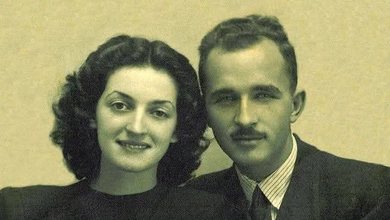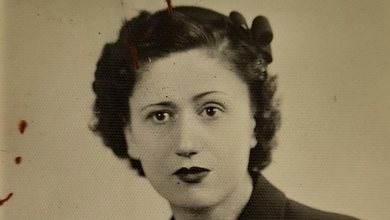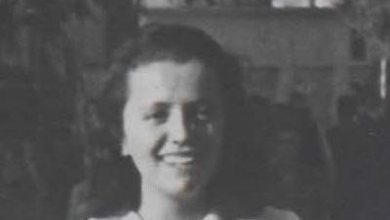



Dozens, if not hundreds, of biographies and writings have been written about Musine Kokalari, and all of them have conveyed, to a greater or lesser extent, the truths of a strong, wise, educated and idealistic woman who went through the ordeal of suffering like few others under communism, but who survived the regime with strength and arrogance and a touch of cynicism like few others. Musine never appeared as the heroine of the books she loved so much and had read with zeal and pleasure. Her delicate mind had long been pondering ideas far removed from those on which Albania after World War II was being built. What happened to her is known to most of us. Arrest, prison, torture, the extrajudicial killing of two brothers, a destroyed family, exile and years of great loneliness in Rrëshen, so far from her beloved Gjirokastra. Most Albanians have not even forgotten the dictator's famous reaction when Pen Club International in the 1960s, in a letter, asked for her release, saying: "Is the rospi still alive?" And meanwhile Musineja was alive and interned in Rrëshen since 1977, when she was 60 years old, this time she asked the regime for a place in the asylum for the sick. Unwavering in her pride even in moments of greatest physical weakness due to age and the fatigue of prison and long internment in Rrëshen, as if she were the 20-year-old before the communist trial again, she writes with the same passion and stubbornness in her diary:
Here I am, that simple girl that Aunt Hanëmi of Mala distinguished me from afar, now on the 60th anniversary of my birthday I am starting to write memories of my simple life and how the communists buried me alive, alone as a student of Sami Frashëri.
And I did not apologize to them in court for my activity. And why would I apologize to them? I was not a communist, I was a democrat and I saw democracy as a student of the Renaissance as a political duality. I was punished for no fault of my own. But with me they wanted to condemn the Renaissance, its political death. And only that, since "their" great work is being raised higher and higher every day, they have no way of denying it.
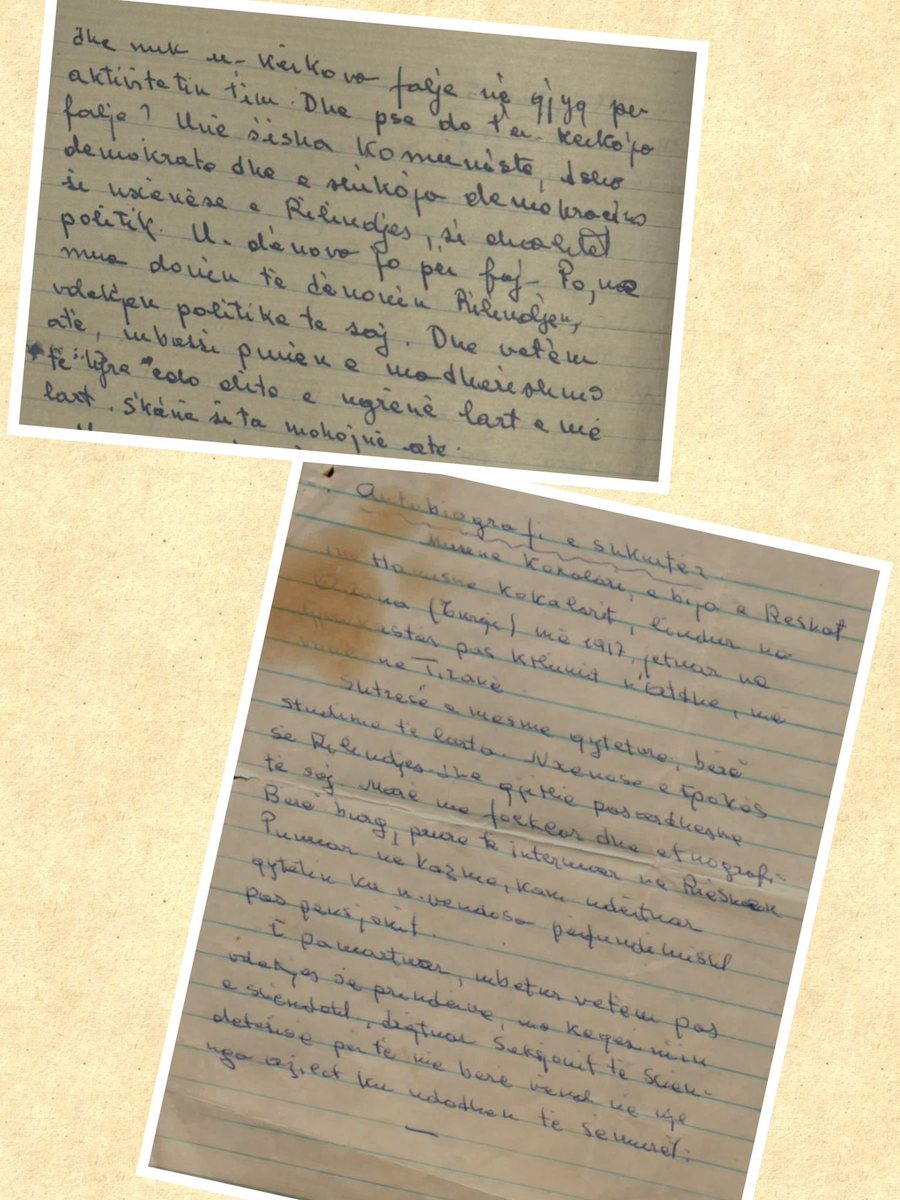
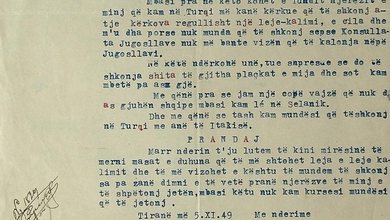
And as if that weren't enough, in this letter that would likely end up in the bins of party secretaries who in recent years didn't even bother to read Musine Kokalari's letters, she continued to write her biography. That truth, that which we too must read today.
Short autobiography
Musine Kokalari, daughter of Reshat and Hanushe Kokalari, born in Adana (Turkey) in 1917, lived in
Gjirokastra after returning to her homeland, later
in Tirana.
Middle-class citizen, completed
higher education. Student of the
Renaissance Era and all
its descendants. Interested in folklore and ethnography.
I was imprisoned, then interned in Rrëshen.
Working as a pickaxe, I built
the city where I finally settled after retirement.
Unmarried, I was left alone after
the death of my parents, with my health deteriorating, I went to the Health Section to make room for me in one of the asylums where the sick are. Here I am, that simple girl that Aunt Hanëmi of Mala distinguished me from afar, now on the 60th anniversary of my birthday I am starting to write memories of my simple life and how the communists buried me alive, alone as a student of Sami Frashëri.
And I did not apologize to them in court for my activity. And why would I apologize to them? I was not a communist, I was a democrat and I saw democracy as a student of the Renaissance as a political duality. I was punished not for my fault. But with me they wanted to condemn the Renaissance, its political death. And only that, since they raise the great work of "their" higher and higher every day, they have no way of denying it.
Musine Kokalari died on August 14, 1983, from cancer. Those who were close to her say that she was not even given the opportunity to be treated in the oncology hospital. Her letters are only partially known and the more you discover of them, the more you understand the depth of thought of a free spirit, a deep thinker and a generation of intellectuals who could have saved Albania from communist hell.