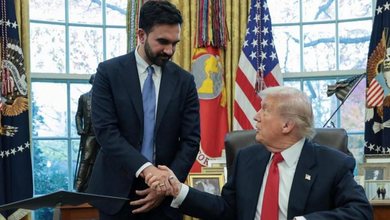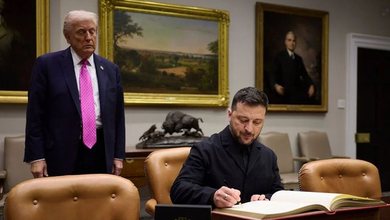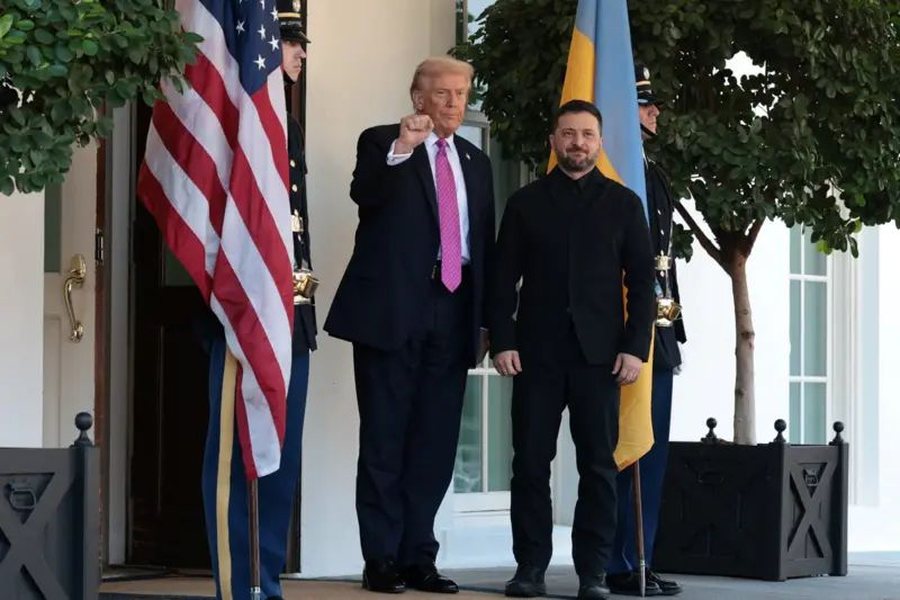
US President Donald Trump said from the White House that there is a US plan to end the war in Ukraine and that President Volodymyr Zelensky “will have to approve it”. Responding to questions in the Oval Office, Trump said: “We think we have a way to make peace. He will have to approve it. At some point, he will have to accept something.”
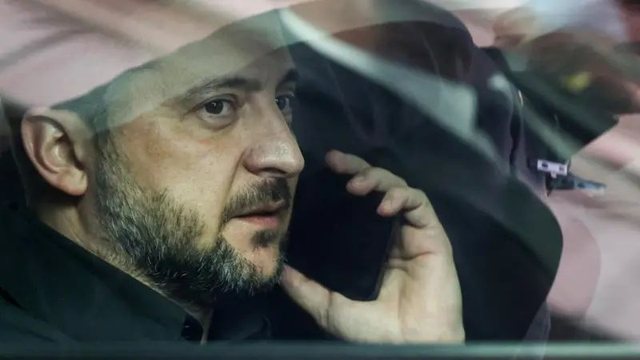
The statement comes as Zelensky warned citizens that the country is facing some of the most difficult choices in its history of independence.
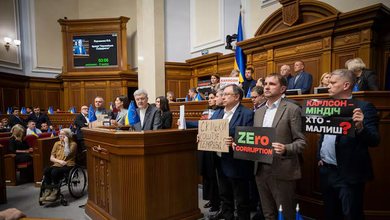
Meanwhile, the reaction inside Ukraine is fierce. Leading commentators in Kiev say the country now feels under attack not only from Russia but also from the US, which – according to them – is pressuring it to accept the Kremlin’s maximum demands. Journalist Natalia Lyhachova said that Ukraine should say “no to our main partner”, while analyst Vitaly Portnikov warned that the American project only gives Putin the conviction that he is getting closer to “the destruction of Ukrainian statehood”. Many Ukrainians were also offended by the fact that the plan was submitted to Kiev on the eve of Dignity and Freedom Day – a symbolic day of the country’s fight against Russian authoritarianism.
According to leaked details, the plan would see the US and several other countries de facto recognize Crimea, Donetsk and Luhansk as territory under Russian control. The conflict would be “frozen” on the current front lines in Kherson and Zaporizhia, allowing Russia to hold Mariupol and the land corridor to Crimea. Zelensky has reiterated that Ukraine will not agree to give up a single inch of territory and that Crimea can never be considered Russian.
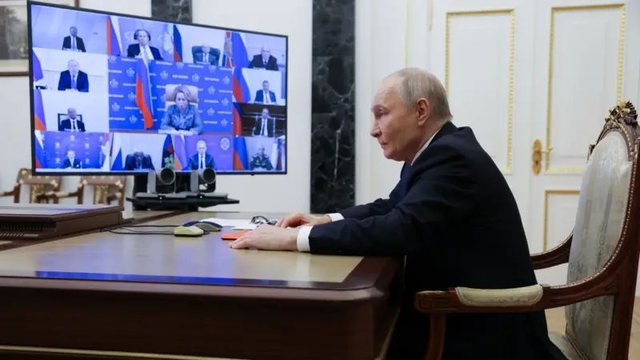
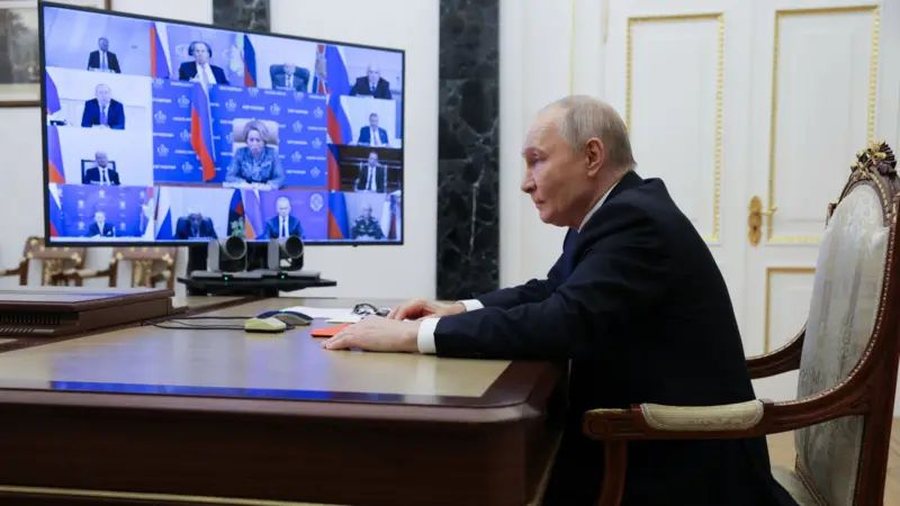
Meanwhile, Moscow declares that it is ready to show “flexibility”, but at the same time threatens that more Ukrainian cities will fall if the war continues. Putin said that Ukraine and Europe live “with the illusion that Russia can be strategically defeated”, underlining that the fate of the city of Kupyansk “will be repeated”.
On the other hand, Kiev's European allies say that any solution must be "fair and sustainable" and that decisions belong to Ukraine. British Prime Minister Keir Starmer declared during a visit to South Africa: "Issues related to Ukraine must be decided by Ukraine."
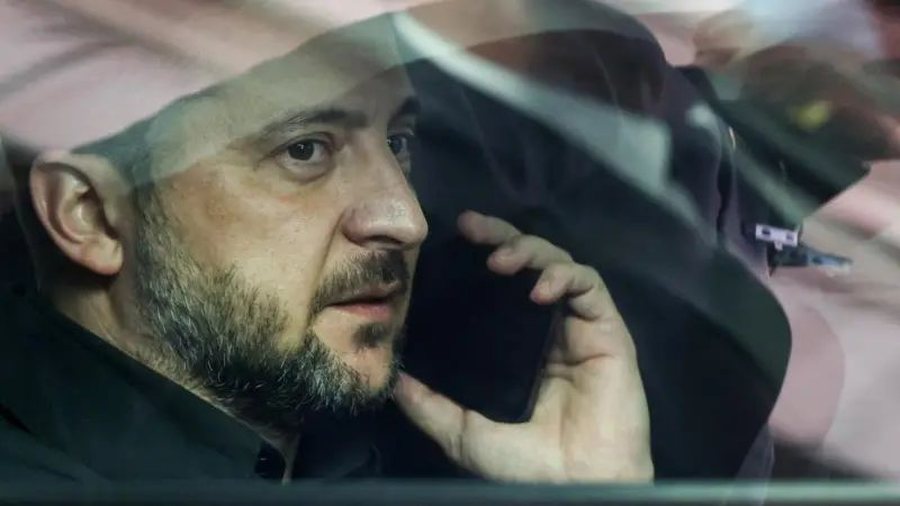
Against this backdrop of tension, Zelensky has held a series of urgent phone calls with key EU and NATO leaders, including Ursula von der Leyen, Antonio Costa, Mark Rutte, Friedrich Merz, Emmanuel Macron and Keir Starmer. “Many meetings and phone calls will continue in the coming days,” the Ukrainian president’s office announced.
Although the plan promises “reliable security guarantees” for Kiev – similar to NATO’s Article 5 collective defense – many Ukrainians see this promise as empty, recalling the 1994 Budapest Memorandum and the Minsk Agreements, which did not stop Russian aggression.
In Ukraine, amid disappointment, anger and determination, many citizens say there is no turning back now. As journalist Petro Shuklinov, who joined the army, puts it: “I gave everything for Ukraine. My friends died for me. So I will continue as long as they can. Ukraine or death.”