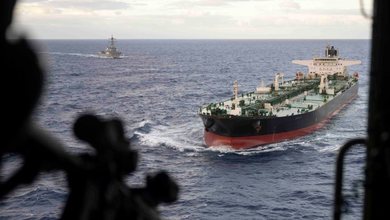
At the same time, the United States is significantly strengthening its military forces in the Middle East, increasing pressure just before the negotiations.
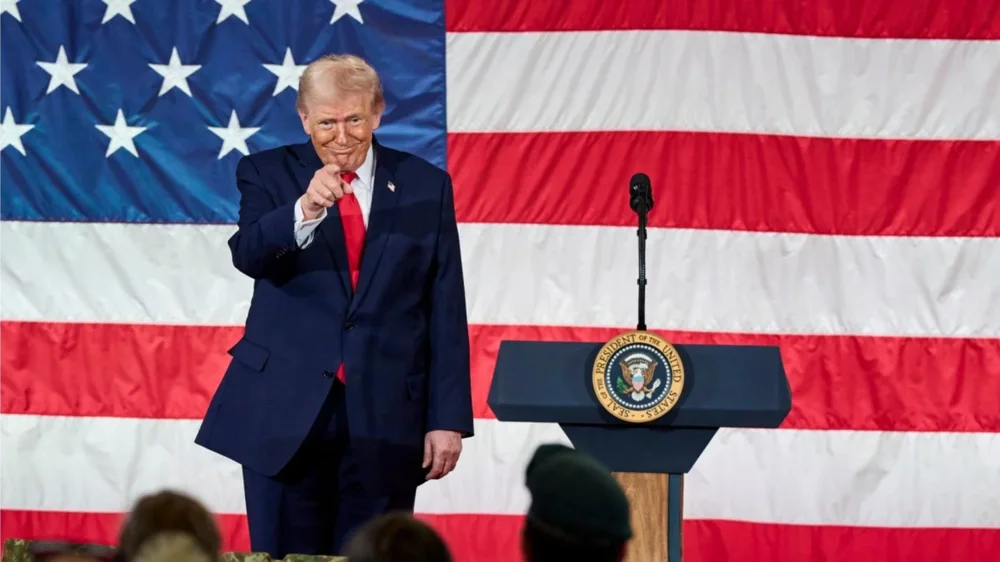
Speaking to reporters on Air Force One after his return to Washington, Trump said he would participate "indirectly" in the talks. "They want to make a deal. I don't think they want to suffer the consequences of not making a deal," he said, referring to Iranian authorities.
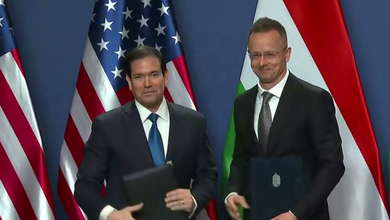
The difficulty of reaching an agreement was also underlined by US Secretary of State Marco Rubio, from Hungary. As he stated, there is a “possibility” for a diplomatic agreement that would address Washington’s main concerns, but expectations must remain realistic.
“I think there is an opportunity here to diplomatically reach an agreement that addresses the issues that concern us. We will be very open and positive about that. But I also don’t want to overstate it,” he said, adding that “it has been very difficult for anyone to reach real agreements with Iran because we are dealing with radical Shiite clerics who are making theological, not geopolitical, decisions.”
Iranian Foreign Minister Abbas Araghchi arrived in Geneva ahead of the new round of talks and announced that he would meet with the head of the International Atomic Energy Agency (IAEA), Rafael Grossi, accompanied by nuclear experts for "in-depth technical discussions."
In a post on the X platform, Araghchi said: "I am in Geneva with real ideas for reaching a fair and equitable agreement. What is not on the table is submission under threats."
The IAEA is seeking clarification from Iran on the fate of some 440 kilograms of highly enriched uranium following Israeli-American attacks in June and is demanding the full resumption of inspections at key facilities in Natanz, Fordow and Isfahan.
Talks resumed earlier this month in Oman, aimed at preventing further military escalation and resolving the long-running dispute over Iran's nuclear program.