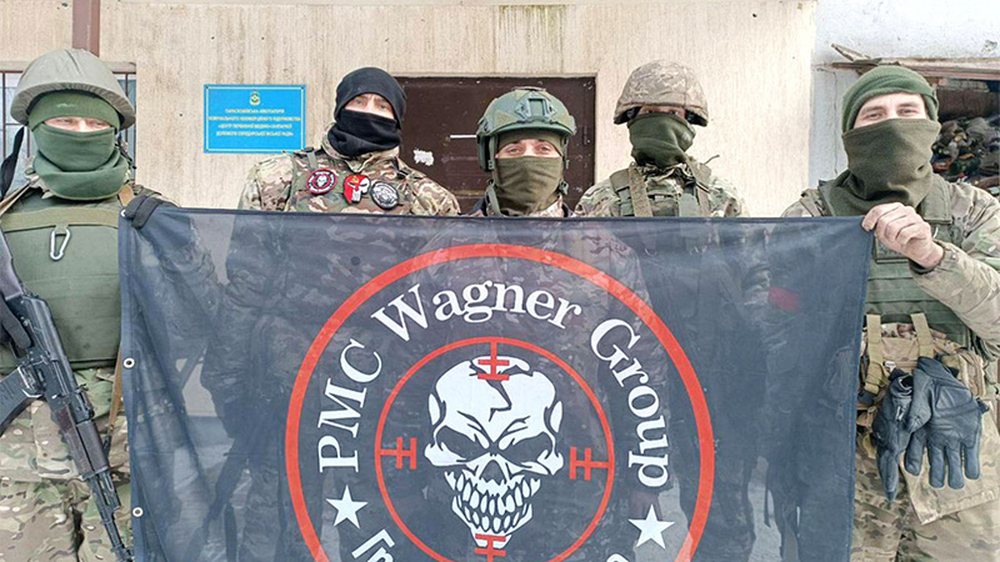
According to a recent report by the Financial Times, structures linked to the former Wagner Group have returned to the scene with a new mission: recruiting vulnerable individuals in Europe for sabotage operations on the territory of NATO countries.
Western intelligence sources cite that, following the failed June 2023 uprising and the death of Wagner founder Yevgeny Prigozhin, the former network of recruiters has not disbanded, but has been reactivated in the service of Russian intelligence. According to officials interviewed by the British newspaper, recruiters who once convinced young Russians to fight in Ukraine are now targeting Europeans with economic or social problems to carry out destabilizing acts.
At the heart of this strategy is the Russian military intelligence service, the GRU, which – according to sources – is using the “existing talent” of the Wagner network to operate through intermediaries. The goal is clear: to create distance between the Russian state and the direct perpetrators of the acts, while maintaining a level of political deniability.
The Financial Times report highlights that a campaign of sabotage and destabilization has expanded in several European countries over the past two years. Targets have included arson attacks on warehouses with aid for Ukraine, attacks on the properties of politicians, but also propaganda operations on social media, where recruited individuals have posed as extremists to incite tensions.
One of the cases cited is that of a young British man who, according to authorities, was recruited through online channels linked to Wagner and was sentenced to 23 years in prison for arson in London. According to the court, anonymous intermediaries on encrypted platforms had managed to radicalize young people willing to act for “easy money.”
According to the Financial Times analysis, the use of networks like Wagner gives Moscow an advantage in cost and operational flexibility, but at the same time exposes it to failures due to the lack of professionalism of the recruits. So far, European security sources report, more attacks have been prevented than carried out.
Essentially, the picture that emerges from this media investigation is that of a hybrid war displaced within European territory: no longer through regular troops, but through marginalized individuals, instrumentalized as “expendable agents.” And in this new architecture of sabotage, the former Wagner structures seem to be serving as a functional link between the Kremlin and the European terrain.