The U.S. Supreme Court ruled Friday to uphold President Donald Trump's order to limit citizenship to those born in the United States. It has been a hotly contested topic in his efforts to curb immigration and a step that would change how a 19th-century constitutional provision has long been understood.
The judges considered the Justice Department's appeal of a lower court ruling that blocked Trump's executive order. The president asked U.S. agencies not to recognize the citizenship of children born in the U.S. if neither parent is a U.S. citizen or lawful permanent resident, or a green card holder.
The lower court held that Trump's policy violated the 14th Amendment to the US Constitution, but this was overturned by the Supreme Court.
The 14th Amendment has long been interpreted as guaranteeing citizenship to babies born in the U.S. But the Trump administration has argued that the provision does not grant citizenship to babies of immigrants who are in the country illegally or whose presence is legal but temporary, such as university students or those on work visas.
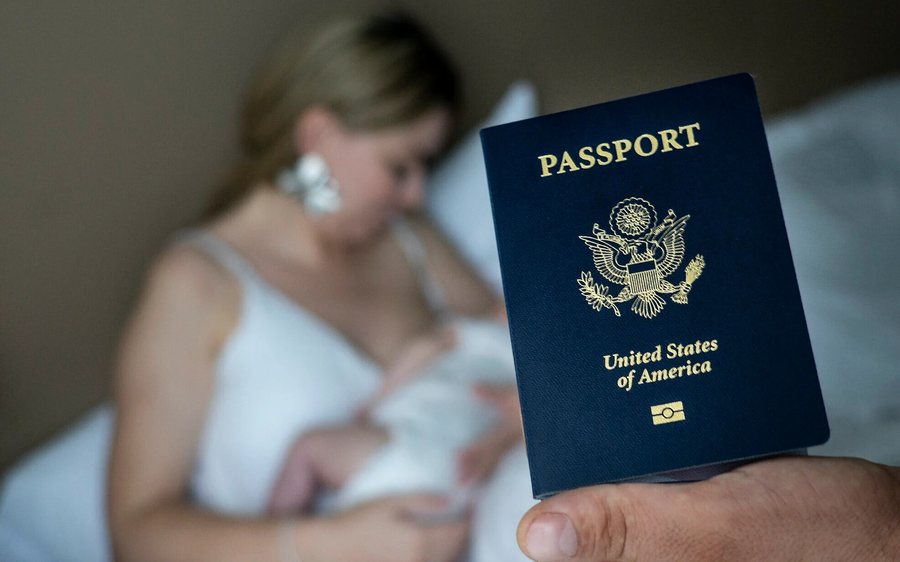
The administration has said that granting citizenship to virtually anyone born on American soil has created incentives for illegal immigration and led to "birth tourism," whereby foreigners travel to the United States to give birth and secure citizenship for their children.