


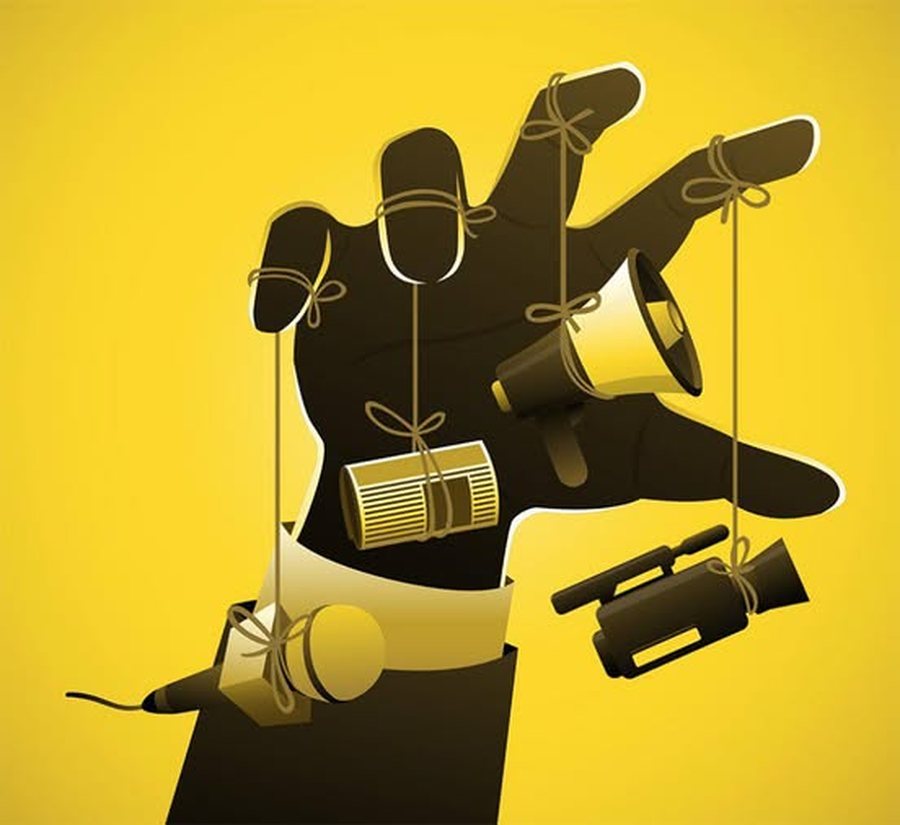
It is not for nothing that in the US the information law, which defines the obligations of institutions to provide information and the rights of the public to receive information, is called the "sunlight law". The idea is simple: where sunlight enters, there is no room for darkness. And where information circulates freely, decision-making becomes more responsible, fairer and more difficult to be held hostage by narrow interests.
In Albania, unfortunately, the information light is often turned on by order and many times turned off intentionally.
The latest case is the request for information on the real effects of “fiscal peace”, an initiative that has sparked strong public debate and for which full transparency is expected. To date, the institutions have not provided data. The cost, impact, potential beneficiaries or analysis justifying the policy that has become law are not disclosed. Without this data, the public has no way of understanding whether “peace” is an instrument of justice and fiscal reconciliation, or a hidden amnesty, as international organizations have long warned.
The same culture of lack of transparency is also evident in other areas, especially in the publication of statistics. The clearest example is the indicator of building permits. Full figures are not published on time, while some data are missing or appear truncated. Even national statistics are not immune to this phenomenon. INSTAT, the only official institution producing data, often provides partial statistics, with delays or without the necessary details. This has made the debate on the economy, migration, urban development or the labor market increasingly based on guesswork rather than evidence, also affecting the quality of decision-making.
But transparency is not just about publishing tables and graphs.
It is about public trust, the quality of policymaking, and institutional integrity.
When the effects of a law or the cost of a decision are not known, the public cannot judge whether laws are being passed for the good of society or to create hidden favoritism that distort competition and deteriorate institutional culture. Without transparency, decisions risk being built on narrow interests and hurting the majority in favor of the minority, damaging the social balance and especially creating a culture of distrust and hostility towards the state.
The European Commission’s latest progress report on Albania makes it clear: the lack of transparency and the weakness in the implementation of the law on information remain serious problems, which affect public trust and the integration process itself. The report highlights that institutions often delay, limit or do not provide information, indicating that the responsible structure is still anemic, despite the large fines provided for by the new law on the right to information. The fines, it seems, serve more for cases of formal violations than for situations where the public is denied essential information.
Albania cannot make qualitative reforms, cannot attract serious investments, and cannot advance in the European integration process without first establishing the basic rule: the light of transparency.
Every project, every law, every decision with an impact on the economy, finance or territory must be accompanied by open, verifiable and accessible analyses for the public and the media.
After all, we also have a popular proverb:
"Where the sun sets, the doctor doesn't."
In other words: where the sunlight of transparency and information enters, the elephant of corruption does not enter. And this, for today's Albania, is more than a metaphor.
It is a necessity! /Monitor.al/