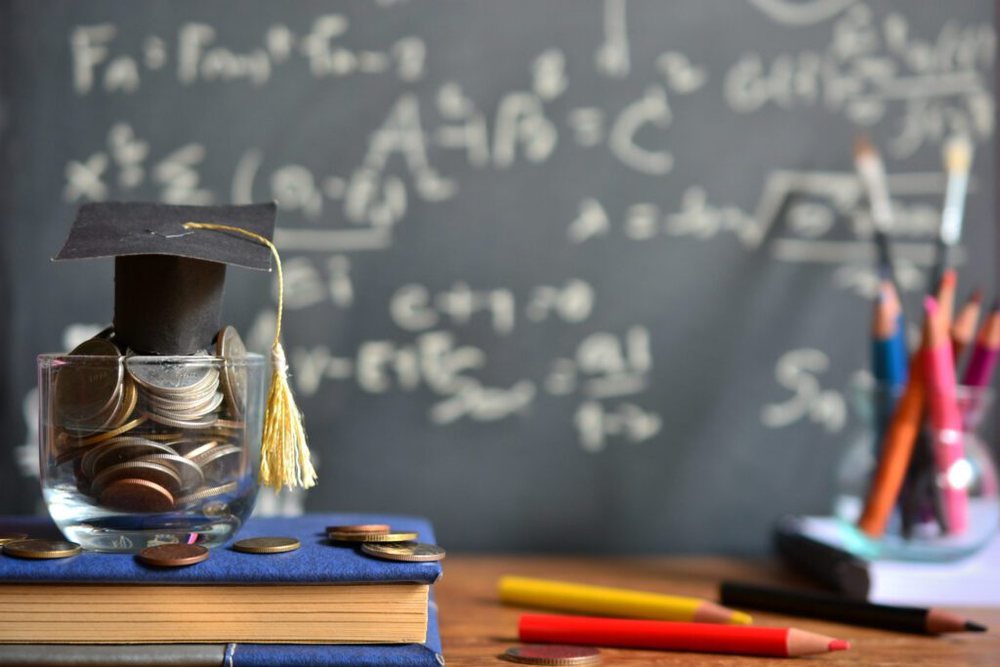
Funds for education will decrease both in relation to GDP and budget expenditures, according to projections in the 2026-2028 medium-term budget.
Albania allocates little funding for education. According to INSTAT, public spending on education in 2022 was only 2.9% of GDP, while this year it is expected to reach 2.4% of GDP and in 2028 it will be only 2.1% of GDP.
This shows that as the economy grows, less funding is allocated to education. The same practice is happening with healthcare.
Education funds are decreasing not only in relation to GDP, but also to total budget expenditures. This year the education budget is 7.5% of the total budget, while in 2028 it will not be more than 7%.
In the Western Balkans, the average expenditure on education in the countries of the region hovers around 3.9% of GDP, which indicates that Albania remains below the level of its neighbors.
On the other hand, the country has a significant lack of infrastructure in schools with dilapidated buildings, a lack of technological infrastructure, and difficulties in providing quality teaching.
The allocation of funds within educational levels also remains flawed. Expenditure on primary education is relatively low (around 1.8% of GDP), while the budget is low for secondary education at around 0.4% of GDP, compared to the average of 2.0% in EU countries.
At a time when the European Union and countries in the region are devoting more funds from their economies to education, Albania is lagging behind and further widening the gap.
The reduction in funding will hinder the increase in the quality of learning, the improvement of infrastructure, and the development of human capital. / Monitor