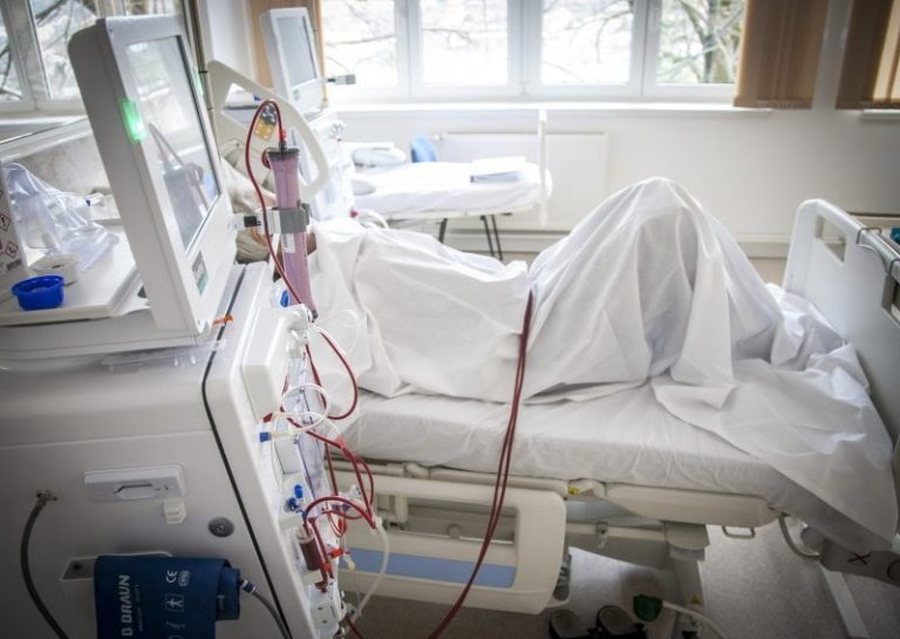
The audit of the HSA on the implementation of the concession contract for the hemodialysis service has revealed serious problems that directly affect patients with acute and chronic kidney disease. According to the findings, patients facing acute cases are not immediately offered emergency service at the concessionaire's centers in the regions where they reside, before going through a bureaucratic procedure for prior approval by the FSDKSH. In urgent situations, public hospitals are forced to send patients to the QSUNT by ambulance and with a specialist doctor, creating dangerous delays in treatment.
The responsible institutions argue that hemodialysis services, both acute and chronic, are offered to all patients in adequate structures, emphasizing that the peritoneal dialysis program has been operating since 2005 and that patients with chronic renal failure receive the necessary materials for home treatment free of charge. However, the audit finds that the Ministry of Health and FSDKSH have not drafted a special regulation that would accelerate the procedure for providing immediate service to patients with acute kidney disease. The recommendation of the SAI is assessed as accepted, but not implemented, reflecting a lack of commitment to regulating a process that affects the emergency and often the lives of patients.
The audit also identified another worrying practice: cases of double payment for the same dialysis session. One such situation was identified in the Lezha concession center, where a chronic patient was billed twice for a session – once by the concessionaire, based on monthly projections, and once by a non-public hospital that had actually performed the service. This problem occurs in patients who have changed residence or have chosen to undergo treatment in other hemodialysis centers that are not covered by the concessionaire. In these cases, payment for a dialysis session ends up being made twice: once in the projection and once according to the actual service.
The Ministry and FSDKSH state that they have a national registry of patients receiving hemodialysis and that the centers send patient lists every month, according to contractual obligations. However, the audit highlights that the current mechanism is not sufficient to prevent overlaps, as payments from the concessionaire are based on projections, while payments to non-public hospitals are based on actual sessions performed. This discrepancy creates unnecessary costs for the public budget.
The recommendation requires the concessionaire to send detailed data to the regional branches of FSDKSH every month to identify patients who undergo sessions at its centers, in order to avoid double payments and reduce unnecessary transportation costs. Debates between institutions show that the existing reporting system does not ensure accurate control of patient circulation, while the audit draws attention to the fact that problems continue to be present despite the procedures set out in the by-laws./Ekofin.al/