


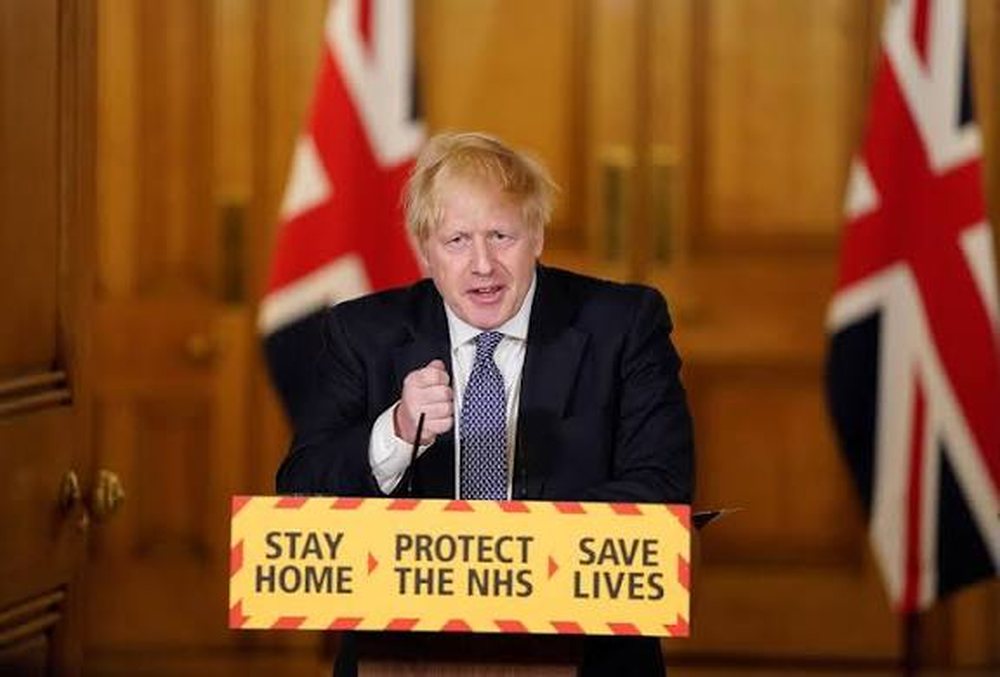
A new public report has revealed that former British Prime Minister Boris Johnson oversaw an inconsistent and disorganized response to the COVID-19 pandemic, delaying the imposition of lockdown measures – a decision that, according to the investigation, resulted in around 23,000 avoidable deaths.
According to official figures, Britain has recorded over 230,000 deaths from COVID-19, a mortality rate comparable to the US and Italy, but higher than any other Western European country. The economic and social consequences continue to be felt today.
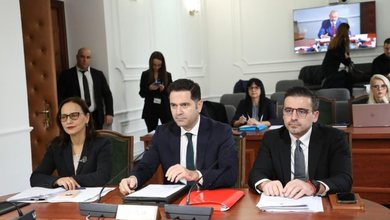
The public inquiry, initially ordered by Johnson himself in May 2021, sharply criticizes the way his government managed the crisis, highlighting a “toxic and chaotic” internal culture. The head of the inquiry, former judge Heather Hallett, stressed that decision-making in Downing Street was indecisive, while government staff themselves broke the rules they had set.
The report argues that, had action been taken earlier to curb the spread of the virus, the full nationwide lockdown could have been avoided. According to Hallett, Johnson “failed to grasp the seriousness of the situation” in early 2020 and was often distracted by other issues, including Brexit negotiations.
During his testimony before the committee in 2023, Johnson admitted that the government had been "overly complacent" and had "massively underestimated" the risk, expressing understanding for the public anger.
23,000 avoidable deaths
The report highlights that the announcement of the lockdown on March 23, 2020, was late and inadequate. If the measures had been imposed a week earlier, on March 16, it is estimated that deaths during the first wave by July would have been reduced by about 48%, or 23,000 people.
Delaying action also led to the need for further severe lockdowns throughout the year, with major social and economic consequences. While the report acknowledges the pressure and complexity of the decisions Johnson had to make, it notes that the former prime minister often changed his mind and delayed critical decisions even when the situation was clearly alarming.