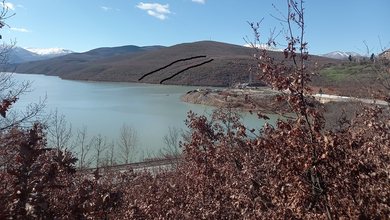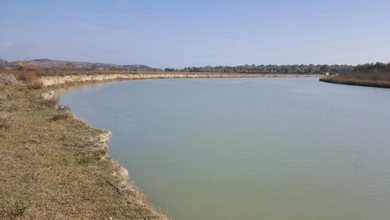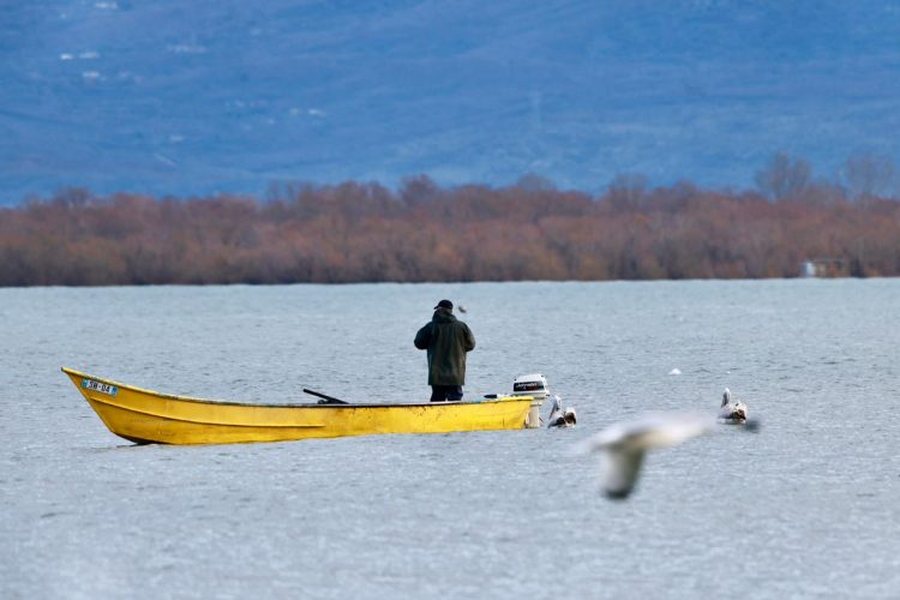
Following an initiative taken by civil society, Lake Shkodra is awaiting the declaration of a Transboundary Biosphere Reserve – a UNESCO program that aims to strike a balance between economic development and biodiversity conservation.
Lake Shkodra is entering a crucial phase after submitting the dossier for its declaration as a Transboundary Biosphere Reserve, within the framework of UNESCO's "Man and the Biosphere" program.
This international program aims to create model territories, where biodiversity conservation and economic development coexist in balance, through integrated management plans, continuous monitoring, and periodic reporting.
The Lake Skadar process began as a civil society initiative, built through Albania-Montenegro cross-border cooperation and supported by the European Union.
The project “Shkodra Lake Catchment Area, a Transboundary Biosphere Reserve” was led by the EDEN Center in partnership with the National Agency for Protected Areas and partner organizations in Montenegro.
"This has been an initiative built on real consultations with local communities, experts and institutions. We are not dealing with a decision taken only at the central level, but with a process that seeks to create a new management standard for the territory, supported by the local actors themselves," says Ersa Prifti, project coordinator at the Eden center.
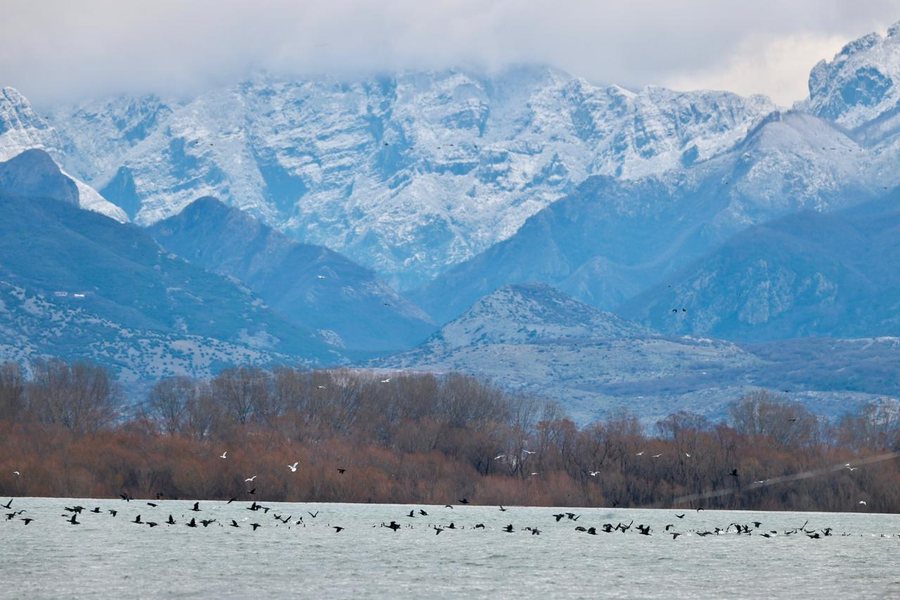
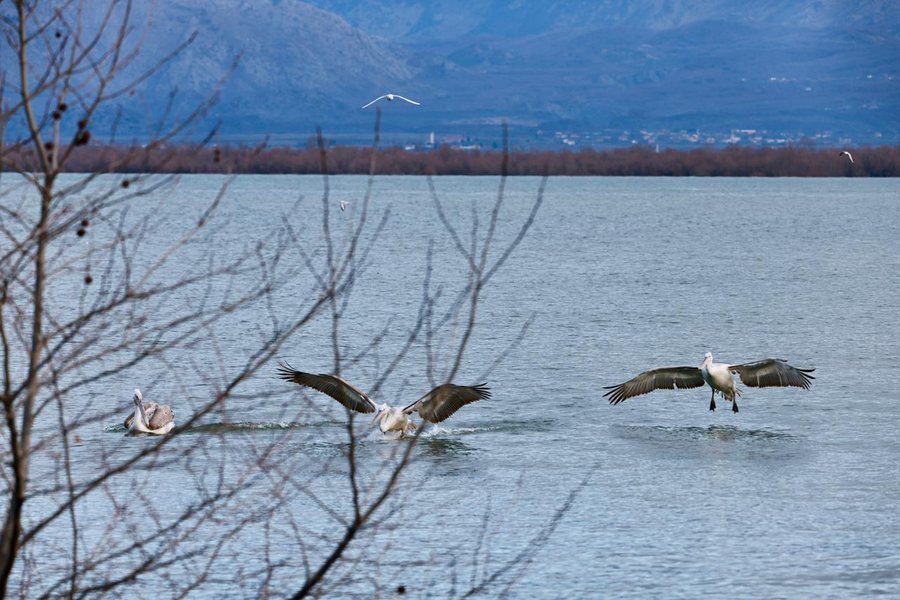
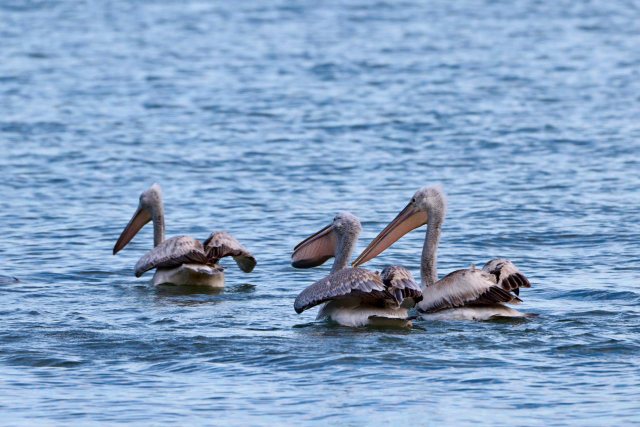
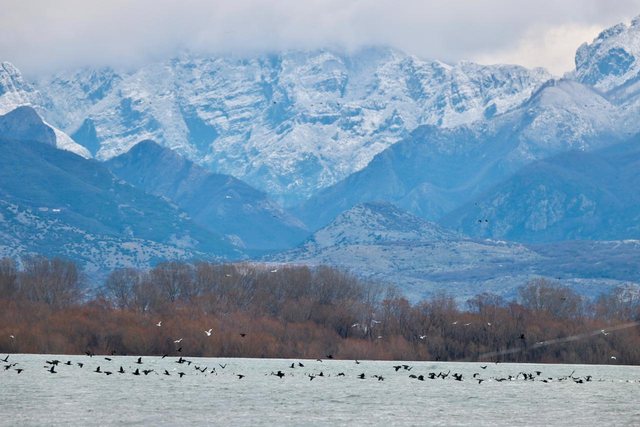
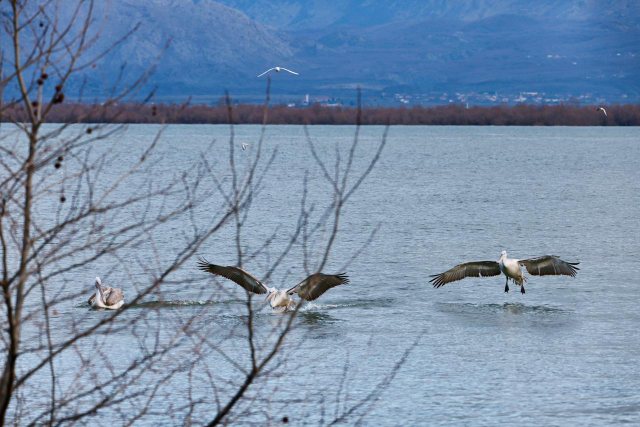
Lake Skadar is the largest lake on the Balkan Peninsula and has held Ramsar status since 2005. It is one of the most important bird migration hubs in Europe, with over 280 identified species and 25 types of protected habitats, according to the European Habitats Directive.
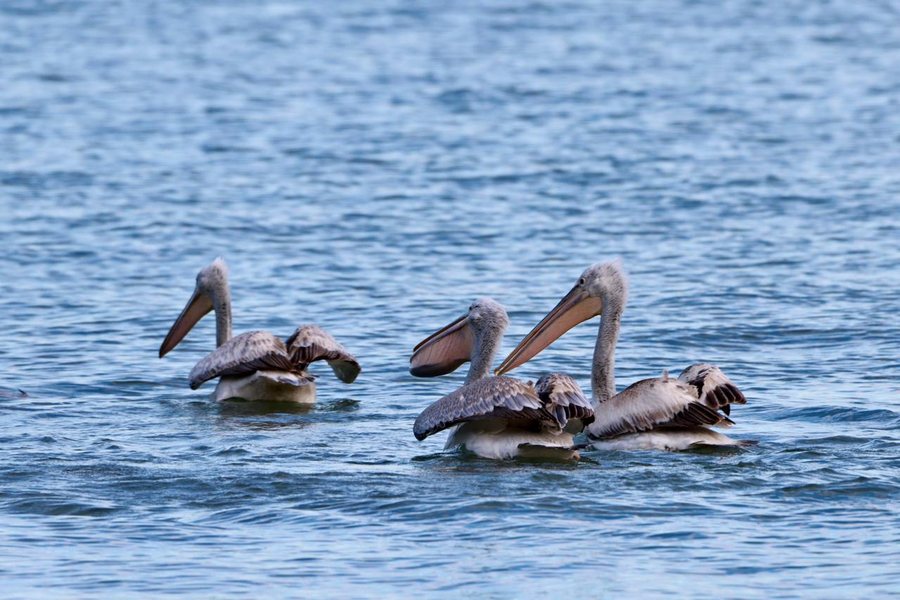
According to biologist Aurora Pirovic, Lake Shkodra is an intercontinental migration hub.
"Birds do not recognize state borders, and for this reason, management must also be coordinated between the two countries. Only through structured cooperation can the long-term preservation of this natural system be guaranteed," says Pirović.
UNESCO's "Man and the Biosphere" program does not aim to isolate territories, but to harmonize human life with the ecosystem, according to the head of Protected Areas, Agim Dardha.
"The basic idea of the Biosphere Reserve is to show how man should live in a biological system, benefiting not only him but also nature," said Dardha, adding: "it is not about freezing development, but about balance."
Consisting of three detailed volumes, the dossier was submitted to UNESCO in September 2025 and is currently under evaluation. According to Ervis Krymbit, an expert and lecturer at the “Luigj Gurakuqi” University, although the natural criteria are met, sustainable management remains a challenge.
"From a scientific point of view, Lake Shkodra meets the criteria to become part of the UNESCO network, because we are dealing with a unique ecosystem at the regional and European level. It is not just a matter of size or biodiversity, but of the ecological function it performs as an intercontinental migratory node and as a habitat for priority species," Krymbi told BIRN.
According to Krymb, the protection of Lake Shkodra requires not only documents and strategies, but also continuous monitoring and real control over the territory.
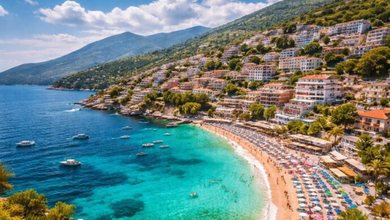
"Environmental problems, pollution and urban pressure on the coasts are real and require concrete interventions. UNESCO does not demand perfection, but requires a functional management system and daily implementation," he added.
For the Municipality of Shkodra, the status of Biosphere Nature Reserve would place the lake in a clear planning and monitoring framework regarding sustainable tourism policies, environmental management and education.
For the Municipality of Shkodra, the status of Biosphere Nature Reserve would place the lake in a clear planning and monitoring framework regarding sustainable tourism policies, environmental management and education.
“It is a demonstration area for sustainable ecological and socio-cultural use, where economic development is not seen as an opponent of nature, but as part of it,” said Aida Shllaku, director of environment at the Municipality of Shkodra.
If the dossier is approved by UNESCO, Lake Shkodra will gain an “international nature passport”, but above all it will enter a stronger regime of standards and reporting. According to Ermelinda Mahmutaj from the “EDEN” center, everything will then depend on the implementation of the management plan.
“Biosphere Reserve status brings international promotion, access to funds and networking with other territories, but it does not automatically guarantee benefits,” said Mahmutaj.
“Everything depends on how the management plan will be implemented and how seriously the responsibility for monitoring and control on the ground will be taken,” she concluded. /BIRN/