


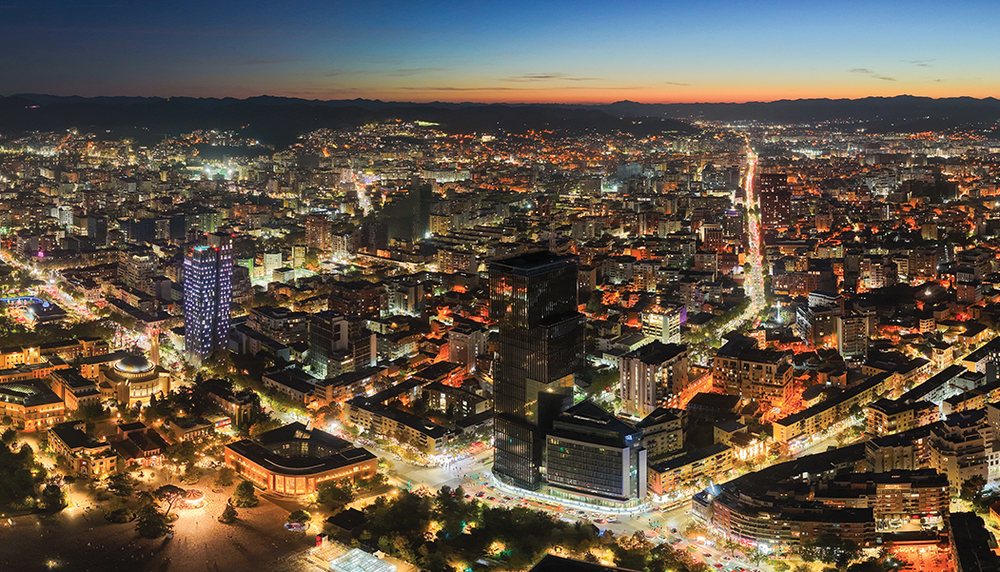
In Tirana, plans to buy a home are closer to illusion than reality for low- and middle-income families. The Albanian capital ranks fourth in Europe for the unaffordability of housing, according to the price-income ratio. Housing policy experts say that the center of Tirana and coastal cities are turning into “hotels” for foreigners, increasingly excluding the middle and lower classes from the opportunity to own a home. The increase in demand from tourism, digital nomads and foreign retirees have created extraordinary pressure on the rental market and property prices, making them unaffordable for most Albanians. Informal money and property speculation have accelerated this process, turning housing construction from a social need into a pure business activity. In this panorama, the state remains indifferent, while housing policies lack the vision to guarantee access to housing for all citizens.
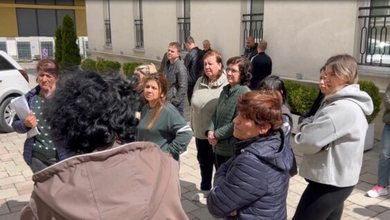
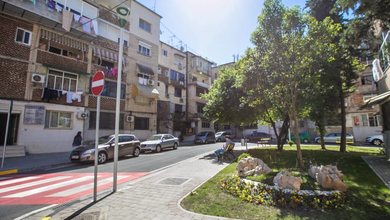
Juliana T., 40 years old, was born in Tirana in 1986, in a modest 1+1 apartment in the Selvië area, where she took her first steps, grew up and built her childhood memories. For families at that time, a small apartment in the center was not a luxury, but normality where you had school, work and a community that was known by names, not by rental contracts, nearby.
Today, she lives in Yzberisht, on the outskirts, in a rented apartment. A mother of four children and with a thought that once would have seemed unimaginable to her: to leave Tirana.
“I don’t recognize my Tirana anymore,” she says. “It’s normal to have development and see new things. But it’s not normal for identity to disappear. The neighborhood where I grew up is no longer the same. People have left, most of the apartments have become short-term rentals, people change every year. There’s no community anymore.”
The problem in this case is not just sentimental. It is deeply economic. In a city where towers rise faster than wages, housing has turned from a family goal into a luxury where speculation has its weight. For low- and middle-income families, the idea of buying an apartment on credit is less and less a plan and more and more an illusion.
"Even if you work in emigration, today you can't buy a house in Tirana," says Juliana. A family with four children can't live in a 1+1 apartment, but a 2+1 is no longer easily accessible. And she refuses to pay "stratospheric prices for standards like 15 years ago."
Tirana, the city that for decades attracted people from all over Albania, is facing a new paradox: it is becoming increasingly difficult for Tirana residents themselves to live there. Today, for many families, it is becoming the city they must leave behind. Juliana is considering doing the same.
"The first moment I find a house somewhere else, I'll leave, without looking back," she says.
Both the middle class and those with low incomes are being "expelled" from the city
Doris Andoni, today an independent consultant engaged with international institutions, with a long career in public administration on housing issues, sees the situation becoming increasingly difficult for low- and middle-income families.
"The development of the residential sector is deeply unbalanced, unplanned, concentrated in the center and within the Second Ring Road, oriented exclusively towards immediate profit. Investments are made spontaneously, without urban vision, swallowing up green and recreational spaces, vital for the quality of life, overloading infrastructure, traffic and every public service.
And above all, by creating a completely unaffordable housing system for the poor and middle classes,” she claims in an interview with “Monitor.” Among other things, she emphasizes that the constructions being carried out in the center of Tirana are eliminating not only the low-income classes, but also the middle class.
"These groups are being driven out of the city and this is one of the greatest damages being done to urban life, creating a concentration of only one specific category. At the moment, this may not be visible, but it will become clear when the construction is completed and inhabited, or when they are not inhabited, because there is a high possibility that a large part will remain unsold or return to Airbnb, with a purely seasonal character.
This significantly harms the quality of life in the city – and is one of the issues that is widely discussed today in all professional circles: tall buildings and bright facades do not make a city; the city is made by the people who inhabit and live it”, says Ms. Andoni.
The city center should not be a luxury for only one category, the "rich" who can afford the prices and tourists housed in short-term rental apartments. In the principles of the sustainable city, it belongs to everyone and the state, through social housing policies, supports this access even for those who cannot afford it.
"Expulsion"
“Low and middle-income groups are being driven out of the city, and this is one of the greatest harms being done to urban life, creating a concentration of a single category. At the moment, this may not be visible, but it will become clear when the construction is completed and occupied, or when it is not occupied, because there is a high probability that a large part will remain unsold or will be returned to Airbnb, with a purely seasonal character. This significantly harms the quality of life in the city – and is one of the issues that is widely discussed today in all professional circles: tall buildings and bright facades do not make a city; the city is made by the people who inhabit and live it”
Albania, a paradise for foreigners, is now turning into investors
Albania has been undergoing a continuous transformation in its housing market for several years, turning from a local market into an increasingly attractive destination for foreigners.
At a time when Western European countries, but also beyond, are facing high living costs, Albania is positioned as a "low-cost" alternative, not only for tourists, but also for long-term residents. Moreover, beyond the wide exposure it has received as a result of tourism, this has also been encouraged by a series of policies oriented towards attracting foreign retirees, or digital nomads.
Real estate agents recently told "Monitor" that rents and the lower cost of living are making Albania a preferred destination. Initially, a few years ago, it would be the Italians who would explore this opportunity, settling mainly in Durrës and less in Vlora.
Now, interest is also growing among American retirees. In an article a few weeks ago, “An American in the City,” “Monitor” focused on this very trend. Lisa Spence, 62, from the state of Alabama in the USA, has been living in Vlora since October of last year.
She said that the choice of Albania came as a result of the low cost of living and economic viability, given her monthly pension income of USD 2,200.
She lives in a rented apartment in the Lungomare area of Vlora. For a two-room apartment with a balcony with a panoramic view, she pays 400–500 USD per month, while in the US, a similar property, according to her, would cost a minimum of 1,400 USD.
Retirees from the United Kingdom are another group that is showing interest in Albania, which they see as a more affordable place to live.
This combination of factors is creating a clear advantage for foreigners, who have much higher purchasing power than locals. So, a foreigner enters the market with a financial capacity several times greater than a local family and the impact is not only positive and there are several elements that show this.
Për shembull, qiratë e viteve të fundit po tregojnë këtë realitet të ri. Një apartament në Tiranë mund të kushtojë 400 deri në 500 euro në muaj, një nivel që për një pensionist amerikan apo britanik konsiderohet i përballueshëm, por për një familje shqiptare përbën një barrë të konsiderueshme.
Por qiratë nuk janë të vetmet. Shumë nga rezidentët e rinj zgjedhin fillimisht të banojnë me qira e më pas, disa prej tyre blejnë apartamente, duke kaluar nga konsumatorë në investitorë dhe duke rritur presionin mbi çmimet e pronave.
Tregu i banesave tashmë po matet jo më mbi bazën e të ardhurave të vendasve, por mbi kërkesën që vjen kryesisht nga jashtë. Shqipëria që po “listohet gjithnjë e më shpesh si një nga destinacionet më të mira për daljen në pension”, ka hyrë në një hartë globale që po sjell kapital nga jashtë, por edhe konkurrencë të re për strehimin, të cilit edhe më herët nuk i mungonin problemet.
Nga turizmi tek Airbnb, si po shtrembërohet oferta e banesave
Nëse kërkesa ndërkombëtare është njëra anë e ekuacionit, oferta po transformohet në mënyrë po aq të thellë. Rritja e turizmit ka krijuar një stimul të fortë për pronarët që të heqin banesat nga tregu tradicional i qirasë dhe t’i orientojnë ato drejt platformave të qirave afatshkurtra si Booking dhe Airbnb.
Të dhënat tregojnë rritje të ndjeshme të këtij fenomeni që deri në dhjetor tregonte se stoku i njësive të listuara në Airbnb në vend ishte 26 mijë. Këto apartamente, dikur me qira afatgjatë, tashmë u shërbejnë nevojave të turizmit duke krijuar një ngërç me familjet që kërkojnë një apartament me qira në afatgjatë, të cilët përveçse janë bërë më të shtrenjtë, mund të gjenden vetëm në rrethina.
Efekti është i menjëhershëm në tregun e qirave. Në fillim të këtij viti, të dhënat e Keydata tregonin se qiratë afatgjata ishin shtrenjtuar me 20 – 30% brenda një viti, ndërsa në zonat qendrore arrijnë 500 – 1000 euro në muaj.
Ky presion, sipas ekspertëve, nuk vjen vetëm nga turistët, por edhe nga rritja e segmentit të ‘expat’, nomadë digjitalë dhe pensionistë, duke krijuar një bazë të gjerë dhe të qëndrueshme konsumatorësh me kapacitet më të lartë pagues, që rritet nga viti në vit.
Në aspektin makroekonomik, kontributi në inflacion nga muaji në muaj mbetet domethënës. Për shembull, në mars 2026, grupi “Qira, ujë, energji elektrike, gaz dhe karburante” u rrit 0.95%, edhe pse këtu ishte edhe kontributi i çmimit të karburantit nën efektin e luftës në Lindjen e Mesme. Por edhe në shkurt, kur ndikimet e luftës nuk ekzistonin, rritja e këtij grupi ishte me 1.06% në raport me një vit më parë.
Në këtë kontekst, turizmi ka edhe anën tjetër të medaljes dhe kjo nuk është më e shndritshmja.
Tregu rezidencial po zhvendoset gradualisht nga funksioni social që është strehimi i popullsisë drejt “një biznesi të pastër”, ku prona shihet vetëm për të marrë të ardhura të shpejta në afatshkurtër dhe në këtë kontekst, barra bie mbi shtetin për të gjetur zgjidhjen.
Sipas kufijve të përballueshmërisë së pranuar gjerësisht nga standardet ndërkombëtare, qiraja nuk duhet të shkojë përtej 30% të buxhetit familjar. Për një familje me të ardhura neto 135 mijë lekë (duke supozuar që ka dy persona me pagë mesatare bruto 84.1 mijë lekë, sipas të dhënave të INSTAT për 2025 dhe neto 67.6 mijë lekë), qiraja maksimale që mund të përballojë një familje sot në Tiranë është 40 mijë lekë.
Me këtë qira, familja mund të sigurojë një apartament me qira vetëm në periferi të Tiranës, duke iu shtuar kosto të tjera si transporti.
Ndërsa një individ i vetëm, duhet të përballojë vetëm një qira prej 20 mijë lekësh në muaj, një nivel që tashmë nuk e gjen më asgjëkund në Tiranë.
Tirana vijon ngjitjen, kryeqyteti i katërt më i papërballueshëm në Europë për një banesë
Tirana po pozicionohet gjithnjë e më pranë qyteteve më problematike të Europës për përballueshmërinë e banesave, duke treguar çdo ditë e më shumë një treg që po shkëputet nga realiteti i të ardhurave të vendasve.
Sipas të dhënave më të fundit nga Numbeo për vitin 2026, Tirana renditet ndër qytetet me raportin më të lartë Price-to-Income Ratio (Çmimi në raport me të ardhurat), një tregues që mat sa vite të ardhura duhen për të blerë një banesë.
Ky tregues ishte 17.6, që e pozicionon kryeqytetin shqiptar si të katërtin më të papërballueshëm në Europë, pas Moskës, Lisbonës dhe Pragës. Në këtë klasifikim, Tirana renditet në vendin e shtatë ndër qytetet me raportin më të lartë çmim/pagë në Europë, duke lënë pas edhe tregje të njohura për çmime të larta si Parisi (15.4).
Ky pozicionim është i pazakontë duke marrë parasysh nivelin e të ardhurave në Shqipëri, që mbeten ndjeshëm më të ulëta se në Europën Perëndimore. Por si duhet të lexohet shifra 17.6 që llogarit Numbeo? Kjo nënkupton se një familjeje mesatare në Tiranë do t’i duheshin thuajse 18 vite të ardhura të plota për të blerë një apartament, një nivel që konsiderohet gjerësisht si i papërballueshëm në standardet ndërkombëtare.
Ndërkohë, tregues të tjerë e thellojnë këtë panoramë. Pagesa e kredisë për një banesë arrin në rreth 144.5% të të ardhurave mujore, ndërsa indeksi i përballueshmërisë mbetet nën nivelin 1, çka tregon se çmimet e banesave janë shkëputur nga niveli real i pagave.
Krahasimi me kryeqytete të tjera nxjerr në pah kontrastin e Tiranës. Në Berlin, raporti është rreth 9.7, ndërsa në Vjenë dhe qytete të tjera të Europës Perëndimore, niveli është dukshëm më i ulët, pavarësisht pagave më të larta.
Një situatë si kjo thyen rregullat ekonomike duke sugjeruar atë që shumë ekspertë pranojnë se tregu i banesave në Tiranë nuk po përcaktohet më nga fuqia blerëse vendase, por nga faktorë të tjerë, përfshirë kërkesën e jashtme dhe investimet në pasuri të paluajtshme, por edhe paraja informale.
Rritja e shpejtë e çmimeve në vitet e fundit e ka vendosur kryeqytetin shqiptar në një trajektore të ngjashme me tregje që tradicionalisht konsiderohen të lakmuara, por pa mbështetjen e një baze të fortë të ardhurash.
For investors, this may reflect an expanding market and potential for returns, especially in the rental segment. But for local families, the data shows a different reality, that home ownership is becoming increasingly difficult.
The market in Tirana is emerging as one of the clearest examples in Europe where prices and incomes are moving in opposite directions, a situation that will have long-term impacts, especially in social and economic terms.
BoA Fischer Index: Housing prices continued to increase, 25% were purchased by non-residents
House prices in Albania continued to grow at a high rate in the second half of 2025, however, the price increase has started to slow down. The Fischer Index calculated by the Bank of Albania shows that the average price of sold houses increased by 11.7% compared to the previous period and 28% compared to the previous year.
But, compared to the unprecedented 41.7% growth in the first half of the year, the slowdown suggests a cooling of the market.
In Tirana, prices remained stable, with a moderate increase of 4.4% compared to last year, in contrast to the strong growth of 32.6% that was reported in the first half of 2025. On the other hand, coastal areas, which are increasingly attracting investors, recorded higher price increases.
In addition to the increase in prices, the average time to sell properties has also decreased significantly. Nationally, sales have become faster, going from 11.6 months to 9.1 months.
For Tirana, the time to sale fell to 8.1 months from 11.1 months, while in coastal areas, the average time to sale increased to 9.9 months, from 8.7 months. The change reflects a more dynamic market and continued demand, especially for apartments in attractive areas such as Tirana and coastal cities.
At the financing level, bank credit continues to play an important role in financing property sales. Around 61% of properties sold were purchased with bank credit, and 38% of cases used credit covering up to 60% of the property value.
This trend suggests increased opportunities for financing and sustainable support from the banking sector.
Another important development is the growing interest from non-resident citizens, who now account for 25% of buyers in the real estate market. 52% of them come from EU countries, a clear indication of foreign interest in Albanian properties, especially in coastal areas and the capital.
The phenomenon has been growing over the last five years and shows a clear orientation of foreign investors.
In the rental market, demand has also increased, especially in the capital. Real estate agents report that demand is higher compared to the previous period, emphasizing that this market still has growth potential.