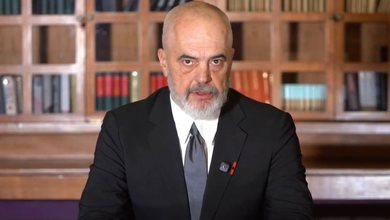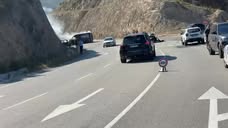



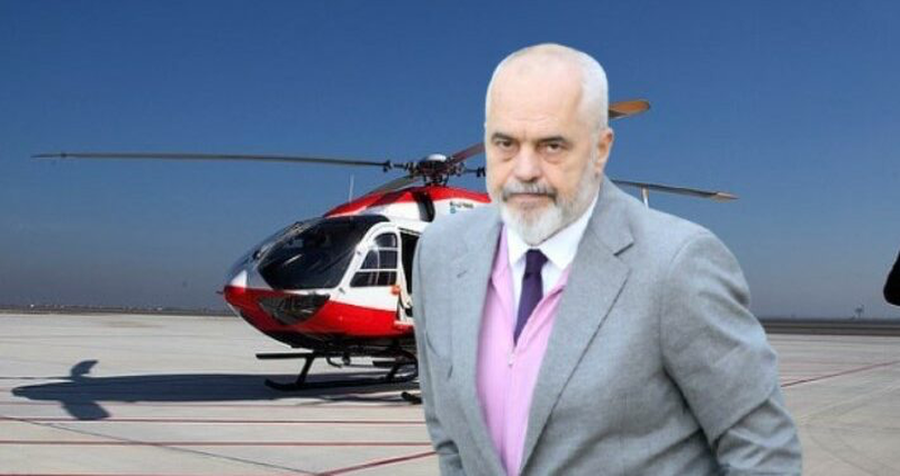
While the road to Korça remains blocked by a massive landslide, the prime minister chooses to rise above the situation – in the most literal sense of the word. By helicopter. And not for fun, he assures us, but to accompany investors “with international prestige” who will see from the air the “Knowledge Pole” in Korça and the new university complex in Vlora.
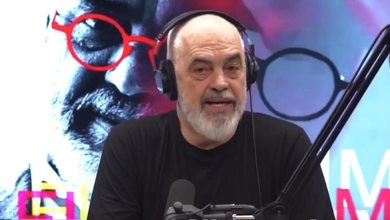
According to him, the "political and media pots" have been brought to a boil in vain. The Armed Forces helicopter, he says, does its flying hours anyway, with or without him. So, if the sky is free, why not use it?
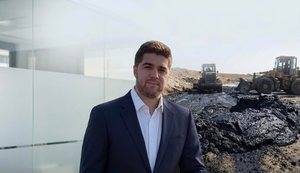
As for the blocked road, Rama considers it a great injustice to blame the government for a geological landslide. According to him, the fault lies with nature. The massif has slipped on its own. The designers, implementers and authorities are innocent. The stone has decided to move without political consultation.
In fact, to put the situation into perspective, the prime minister brings up the example of Italy, where – according to him – a giant massif is sliding, endangering an entire town, but no one is making Albanian “hysteria.” The message is clear: landslides happen even in developed countries. It's just that responsibility doesn't slide there.
In the end, Rama returns to his favorite narrative: the one who has “turned Albania around more than all the other prime ministers put together,” who knows every corner, who has been voted “more and more massively,” and who is not bothered by the barking of “pots.” The caravan moves, the dogs bark, the deeds remain.
But in the meantime, citizens waiting for the opening of the axis do not travel with metaphors. They expect tools, solutions, transparency and accountability. And perhaps less aerial poetry.
Because in the end, the problem is not whether a prime minister flies by helicopter. The problem is whether, when the road is blocked, the political response is faster than flying.