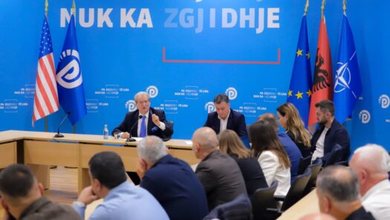


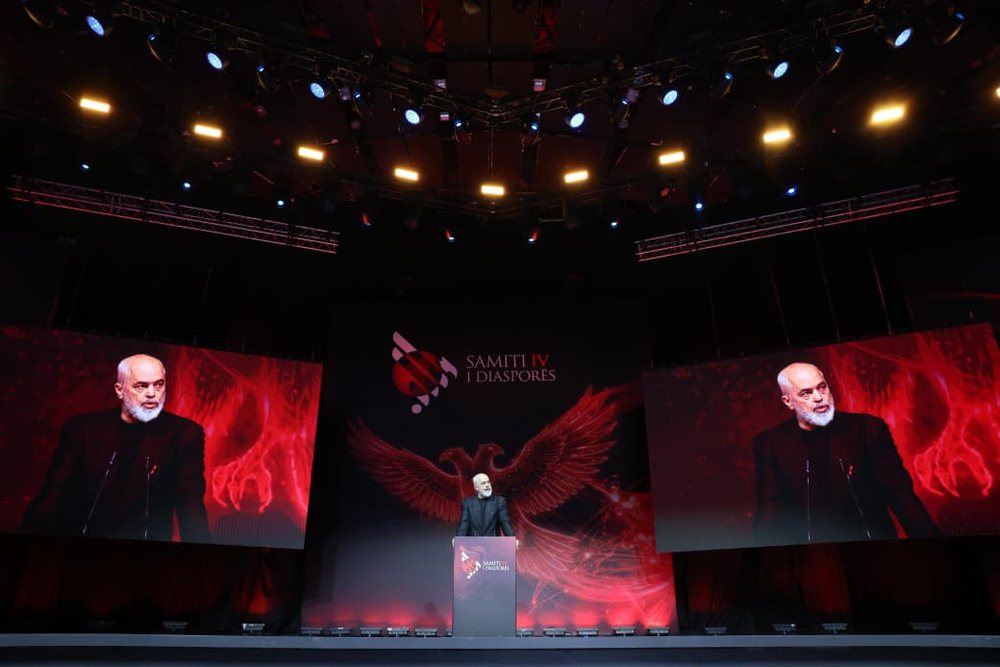
The outer steps of the Palace of Congresses were covered with a red carpet, while the double-headed eagle symbol on the front wall welcomed dozens of Albanians living in different countries around the world, invited to the government event known as the Diaspora Summit.
This is the fourth summit that the government has organized in the past 10 years, without a clear balance sheet on the real involvement of the diaspora in the country's development.
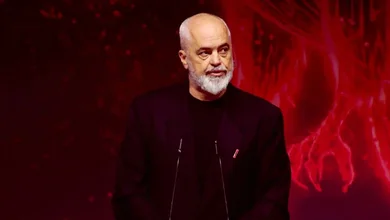
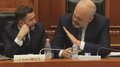
The summit began on Tuesday with a speech by Prime Minister Edi Rama, who called on emigrants to return and invest in their areas of origin, using the legal mechanism 'Mountain Package'. In panels, ministers and senior state officials made invitations for involvement in innovative projects or strategic investments.
However, some diaspora participants view such summits with distrust, where the diaspora is used as a facade.
"Beautiful narrative, the main actors are missing, which are the Diaspora," said Eva Baçi, a lawyer who lives and works in Bologna, Italy, taking the floor for questions at one of the panels.
She protested the organization of panels with only politicians and the use of the diaspora only for statistics and not as a real potential for the country's development.
Other attendees were also showing distrust of the promises, while Diaspora for a Free Albania – one of the organizations that led the campaign for the diaspora vote – refused to participate, considering the summit “wrapped in patriotic rhetoric, but empty in content and essence.”
Nador Bakalli, an Albanian living in Canada and activist with the organization “Diaspora for a Free Albania,” told BIRN that the Albanian government’s announced strategies have a “mainly symbolic and propagandistic, not institutional, impact.”
According to him, after so many years and several summits, a real and measurable product for the diaspora is still missing.
"Despite the rhetoric of a 'strategic role', the diaspora continues to lack real political representation, while in practice, it is treated as a source of remittances and not as a partner in national decision-making," said Bakalli.
According to him, the summits have become "an instrument for cleaning up the government's image," with considerable expenses for scenography and organization, but lacking platforms that produce concrete policies for the inclusion of the diaspora in the public and economic life of the country.
The first Diaspora Summit was held at the end of 2016, while after the 2017 elections, Prime Minister Edi Rama decided to dedicate a state minister to Diaspora affairs, a department he created in his third term, leaving the organization in the hands of an agency under the Ministry of Foreign Affairs. The declared agendas of these summits mainly focus on promoting the inclusion of emigrants in the social, economic and institutional life of the country.
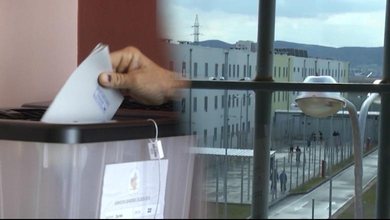
In the last parliamentary elections, Albanians living abroad were granted the right to vote for the first time, while the results showed a massive vote for the ruling socialist majority with the opposition accusing them of patronizing the vote through the use of public administration.
The latest data from the Institute of Statistics, based on indirect estimates, suggest that around 2.25 million Albanians live abroad, or almost 49% of the total Albanian population. The latest census figures suggested that almost half a million Albanians had left Albania in the last 12 years.
For Ermal Hasime, a Political Science lecturer, this is where the contradiction lies between what the government does and what it says about the Diaspora.
“Edi Rama loves the Diaspora so much that he is the main contributor to the creation of the Diaspora since the beginning of his government, increasing the diaspora by 1 million,” Hasimja told BIRN.
He believes that the inclusion of the diaspora is not achieved through summits and ministries, but through the creation of concrete conditions.
"No one returns home from the summit, but they can return if Albania becomes a normal country," Hasimja emphasized.