

By Desada Metaj
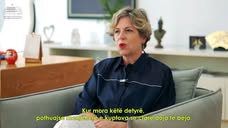
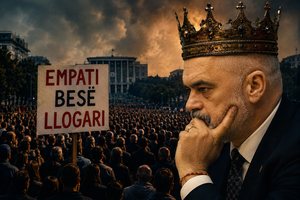
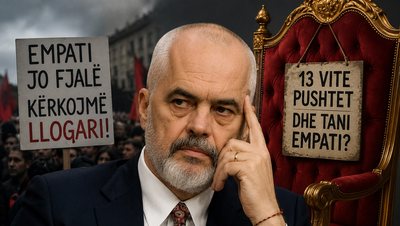
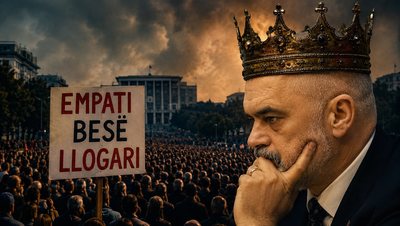
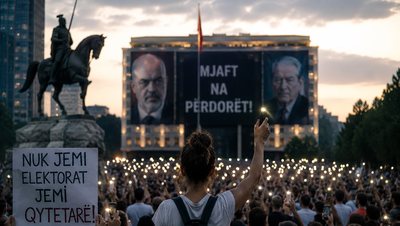
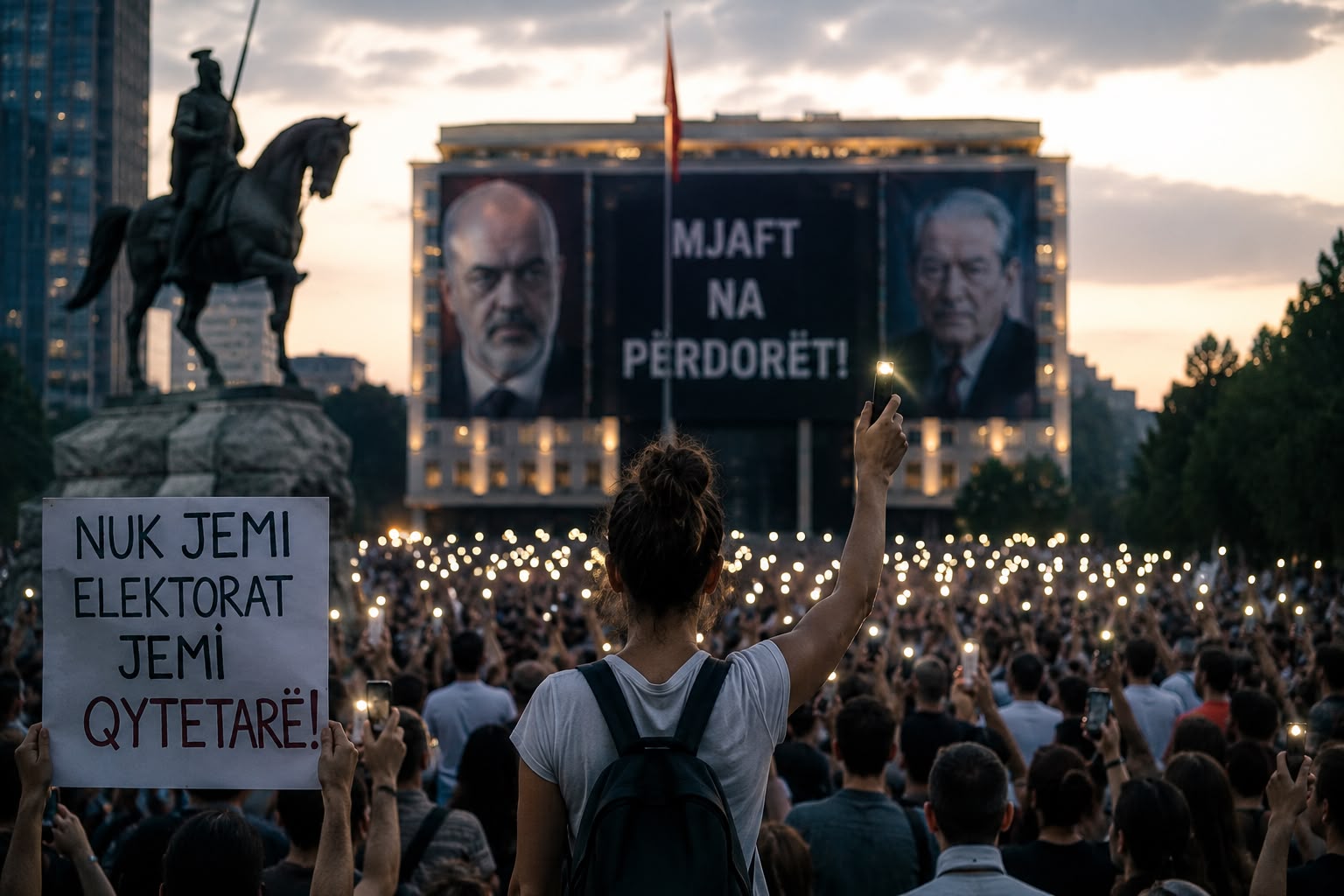
On the same day that the protest reached its 55th day, Edi Rama gathered the socialists and spoke about the need for more empathy and responsibility towards citizens. Two images that, placed opposite each other, show more than any poll about the current political situation: inside, a government that after 13 years discovers that it needs to have empathy; outside, a layer of citizens that has realized that for years it has not been represented by anyone.
The protest has been going on for weeks and has tried to maintain a civic identity beyond traditional party structures. But its importance is not measured only by the number of people who gather each evening. What happened in the first days was perhaps more important and significant: people who until then considered themselves isolated, powerless and politically insignificant saw each other in the square. They realized that they were not few and that their dissatisfaction was not an individual failure, but a social reality.
For 13 years, Edi Rama has mocked the very class that should have been his most natural ally: professionals, educated citizens, people of work and knowledge, what is commonly called the middle class.
It suffocated them with taxes and exposed them to an economy where informality was not fought equally for everyone. While professionals, small businesses and ordinary citizens had to respect every obligation, the doors of concessions, permits, properties and tenders were opened to the oligarchs. The administration was filled with militants and the government no longer rewarded knowledge, work and merit, but proximity to power.
Even more insulting was the way Rama built political representation. Mediocre people were often promoted to Parliament and government, in some cases without the education and public weight that running a state requires. Imagine that in Albania during the second and third mandate, every political debate, every form of selection in the direction of capable and professional people died. In their place, grotesque figures and joke characters took control of the country's destinies.
This is Edi Rama's greatest political betrayal towards this stratum.
He came as the “Tirana boy,” the artist and intellectual who seemed to have the cultural codes to co-govern with the citizenry. He seemed to understand urban Albania, the professionals, and the people seeking modernization. But he ended up governing with second-rate patrons, a subservient administration, and a system where political loyalty was valued more than ability.
Rama didn't just lose these people as voters. He left them without representation.
Unfortunately, the opposition did not fill the void.
Qytetarinë e ditëve të para të protestës nuk e përfaqëson as Sali Berisha dhe shpura e tij servile. Nuk e përfaqëson as Erion Braçe, i cili prej vitesh ankohet se Edi Rama nuk qeveris siç mendon ai, por vazhdon të qëndrojë brenda së njëjtës ndërtesë politike. Nuk e përfaqëson as Elisa Spiropali, revolta e së cilës shpërthen kur nuk merr postin që pret. Pakënaqësia e tyre nuk është kundërshtim ndaj sistemit, por pakënaqësi për vendin që u është caktuar brenda tij.
Por as alternativat e reja nuk kanë arritur ta mbushin këtë boshllëk përfaqësimi. As Arlind Qori dhe as Agron Shehaj, me mënyrën shpesh agresive, përjashtuese apo delirante të të bërit politikë, nuk arrijnë ta përfaqësojnë plotësisht këtë shtresë. Sepse qytetaria që ka doli në shesh nuk kërkoi thjesht një tjetër udhëheqës që flet më fort. Ajo kërkoi një mënyrë tjetër të të menduarit dhe të ushtruarit të politikës.
Në ditët e para në shesh këta njerëz identifikuan njëri-tjetrin. Kuptuan se, të marrë së bashku, përbëjnë një forcë më të madhe se Partia Socialiste, Partia Demokratike dhe partitë e vogla që përpiqen t’i trajtojnë si rezervuar votash.
Natyrisht, janë të vështirë për t’u organizuar dhe për t’u menaxhuar politikisht. Janë njerëz të arsimuar, të artikuluar, kritikë dhe mosbesues. Nuk binden me një parullë, nuk rreshtohen pas një kryetari vetëm sepse ai u premton ndryshim dhe nuk pranojnë lehtë disiplinën e verbër të militantit. Pikërisht për këtë arsye politika tradicionale i quan shpesh të pavendosur, të ftohtë ose “gri”.
Por këta njerëz nuk janë gri.
Ata kanë ngjyrë, dallime dhe shumë nuanca. Në fakt, janë drita që ra mbi grinë e errët ku Edi Rama dhe Sali Berisha e kanë futur së bashku vendin.
Përballë tyre, Rama dhe Berisha shfaqen si dy vjetërsira politike që mund të vazhdojnë edhe për pak kohë të drejtojnë një shtëpi së cilës po i tunden themelet, por që nuk janë më të aftë të ndërtojnë një shtëpi të re për shqiptarët e rinj.
Njëri ka pushtetin, tjetri ka vulën e opozitës. Njëri kontrollon administratën, tjetri kontrollon partinë. Por të dy mbijetojnë mbi të njëjtin mekanizëm: frikën se përtej tyre nuk ekziston asgjë.
Protesta e ka dëmtuar pikërisht këtë mit.
Ndoshta kjo shtresë është ende e papërfaqësuar. Ndoshta nuk ka ende një emër, një strukturë apo një figurë që ta shprehë politikisht. Por ajo ka arritur diçka që nuk duhet nënvlerësuar: ka fituar dritën e mendimit për të kuptuar se nuk duhet të mbështesë më asnjërin prej dy poleve vetëm nga frika e tjetrit.
Edhe nëse sot nuk arrin t’i rrëzojë, të paktën nuk do të përdoret më prej tyre.
Nuk do të votojë Ramën për të ndalur Berishën dhe as Berishën për të larguar Ramën. Nuk do ta pranojë më shantazhin e zgjedhjes mes dy të këqijave si të vetmen formë të demokracisë.
Dhe kjo mund të jetë arritja më e madhe e protestës: jo se ka prodhuar tashmë udhëheqësin e ri, por se ka krijuar një publik të ri politik.
A public that is no longer a decoration, a crowd, or a reserve electorate. A public that will be the mirror where today's political class will see itself without the filters of propaganda.
And in that mirror, the old government and opposition no longer look majestic.
They look like an ugly duckling, old and convinced that everyone else is still obligated to admire them.