



The transformation of the call center sector into a massive financial fraud industry in Albania is risking criminalizing an entire generation of young people, under the lure of quick money and a deep crisis of moral values.
At first glance, the offices look like any other modern corporation in the heart of Tirana. Bright neon lights, endless rows of large-screen computers, ergonomic chairs, and hundreds of young people in their twenties with headphones on, speaking fluently in several foreign languages, making the environment seem like a sort of Tower of Babel.
The new operators are registered as employees of seemingly legitimate companies with catchy names, such as “Magnolia Group”, “Espiron Studio”, “IOTA Network” or “Koppa Network”.
However, it's all a facade.
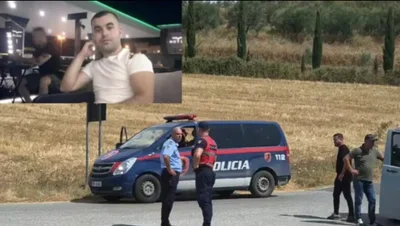
When police raided the offices of these companies in downtown Tirana on April 14, they uncovered a fraud ring with over 400 employees. Footage of the operation shows over 900,000 euros in cash distributed in envelopes as bonuses intended for the most successful operators in extorting citizens from a dozen European countries and the United States.
This is just one of dozens of similar operations in recent years in Albania, which shows that the call center industry has undergone a frightening mutation. From a once promising sector for thousands of young people with diplomas in their pockets, but without job prospects, today it has transformed into a massive industry of financial fraud and cybercrime.
According to prosecutors who have investigated the cases, this industry is competing in terms of speed of illegal enrichment with narcotics trafficking and is criminalizing thousands of young Albanians.
“It is a very worrying phenomenon,” says a prosecutor in Tirana, who spoke to BIRN on condition of anonymity.
"If we talk about how much it affects the criminalization of society, for me it is more dangerous than the distribution of drugs, because the mass is large and some of them are simply used," she added.
This alarm is also shared by security expert Redion Qirjazi, who sees this sector as a space where crime is normalized.
“In these environments, a gradual normalization of illegal behavior occurs, while individuals acquire practical skills and create contact networks that can be used later,” explains Qirjazi, emphasizing that for this army of young people, the transition to more sophisticated crimes “is more of an evolution than a revolution.”
The call center business in Albania began to flourish in the late 2000s, relying on a cheap labor force composed mainly of young people with knowledge of foreign languages. But the dynamics changed once the low profits of legitimate customer service campaigns were replaced by fictitious financial markets.
Investigative documents, police statistics, reports from international agencies and expert analyses reveal a grim picture, where the figures speak of an industry organized almost militarily, which exploits thousands of young people and generates tens of millions of stolen euros every year.
Based on data from prosecution and police operations from 2021 to early 2026, the scale of arrests and damages resembles that of international cartels.
In April 2026 alone, authorities cracked down on several different groups. Among them was the operation codenamed "Ghost Call," during which 10 people from several companies with over 400 registered employees were arrested.
The action came as a result of cooperation between Austrian authorities, Europol and the Tirana Prosecutor's Office, following investigations that revealed damage estimated at a record figure of at least 50 million euros.
“The call centers were professionally set up and organized, resembling legitimate business structures that display a clear separation of roles and hierarchical management,” Europol said after the operation. After initial registration, victims were assigned agents who posed as investment advisors.
In another wave of crackdowns in January of this year, six more people were arrested for defrauding Italian citizens. These fraud centers often occupied luxurious spaces in the towers of downtown Tirana, which in itself indicates the financial power of these groups.
In the last two operations in Tirana alone, at the time of police intervention, around 150 operators were found at work. A digital army consisting mainly of individuals aged 18 to 28.
But are these operators, many of whom are students and others with degrees in various fields, aware of what they are doing?
“Most of them are young people, students or those who have completed their studies and have not found a job in their field. But I want to say this; they are aware of what they are doing, they are subjectively aware that they are involved in crime,” stressed the prosecutor who spoke to BIRN on condition of anonymity.
Active participation in crime is explained by their behavior when confronted by the police.
"They have a script ready, they know what they're going to say as soon as the police come in," the prosecutor said.
"Everyone is aware of what they are doing because they are trained and go through different stages of training, they have scripts to attract clients," she emphasized.
Spectacle, champagne and cash bonuses
Gazetarja Luela Gaxhja e emisionit “Piranjat”, e cila ka investiguar një sërë kompanish mashtrimi nën maskimin e call center i tha gjithashtu BIRN se operatorët që punojnë në këto biznese janë të vetëdijshëm për pjesmarrjen në krim.
Ajo i referohet rastit të një kompanie të vendosur në një vilë në periferi të kryeqytetit, ku kishte shkuar të xhironte me kamera.
“Rreth 100 veta që ishin të pranishëm, u arratisën nga sytë këmbët sapo diktuan kamerat,” tha ajo.
Gaxhja thotë se arsyet pse të rinjtë përfshihen në këtë aktivitet janë bazike: para të shpejta, një jetë luksi dhe iluzioni se ky është një “krim i pastër” për shkak të fshehjes pas NIPT-eve dhe emrave të kompanive.
Dhe dëshmitë e mbledhura prej saj të kujtojnë skena të ngjashme me filmin “Ujku i Wall Street”; me një sistem stimujsh spektakolarë që shpërndahen live nga menaxherët.
“Kur një konsulent mashtronte klientin me një shumë të madhe, këtu bëhet fjalë mbi 50 mijë euro, atëherë menaxheri ndalonte punën, mblidheshin të gjithë në qendër, hapej shampanja dhe më e bukura ishte se konsulenti shpërblehej cash, direkt aty me përqindjen që i takonte,” përmbledh ajo dëshminë e njërit prej operatorëve.
Ekspertët flasin gjithashtu për rrezikun e kriminalizimit të mëtejshëm, përsa kohë që mashtrimi kompjuerik shoqërohet edhe me pastrimin e një volumi të madh parash.
Eksperti i sigurisë, Redion Qirjazi e analizon këtë atmosferë si një trampolinë të drejtpërdrejtë drejt thellimit në paligjshmëri. Ai shpjegon se ndonëse call center-at mashtruese nuk përbëjnë një mekanizëm të strukturuar rekrutimi, ato funksionojnë si një hapësirë ndërmjetëse perfekte.
“Në mungesë të mundësive për riintegrim në sektorin formal, ekziston rreziku që këto aftësi të riorientohen drejt aktiviteteve të tjera të paligjshme (absorbohen nga struktura më të sofistikuara kriminale që kërkojnë këtë profil), qoftë brenda vendit apo jashtë tij”, thotë Qirjazi.
Ky është ndoshta paralajmërimi më i errët për të ardhmen.
“Nëse nuk adresohet në mënyrë të plotë dhe të koordinuar, ekziston rreziku që vendi të prodhojë një brez të tërë të rinjsh me aftësi reale dhe të vlefshme, por të orientuara në kah të gabuar,” shtoi ai.
Sociologu Ergys Mërtiri e shpjegon dyndjen e të rinjve në këtë aktivitet kriminal me atë që ai e quan një kolaps të gjatë kulturor.
“Në kushtet e një trashëgimie 50-vjeçare të kultivuar me materializëm dialektik, shoqëruar me varfëri ekstreme dhe bjerrje të vlerave tradicionale, shoqëria shqiptare sot gjendet në një krizë të thellë vlerash, pikë së pari morale e kulturore,” tha Mërtiri.
Ai thekson gjithashtu se modelet e një jete të ndershme janë zbehur plotësisht në Shqipëri.
“Modelet që ushqejnë sot të rinjtë nuk janë ato që reflektojnë vlera morale, por përgjithësisht modele që orientohen më shumë drejt parasë, vesit, instinktit,” argumenton Mërtiri, duke shtuar se edhe media promovon suksesin dhe paranë e fituar shpejt dhe lehtë, pa mund e djersë.
For expert Redion Qirjazi, the reality is more structural and directly related to the inability of authorities to combat cybercrime.
According to Qirjazi, crime is more innovative and adapts faster than institutions, while also not excluding silent complicity, especially when such activities are disguised as legitimate businesses and generate income.
This long-term tolerance has begun to create serious consequences not only for the hundreds of young people involved in this industry, but also for the country's image.
“The long-term tolerance of these activities negatively affects the perception of international partners, especially in terms of institutional credibility and law enforcement capacity,” says Qirjazi, adding that there is a real risk that Albania will be perceived internationally as “an environment where such activities can easily take place.”/ BIRN