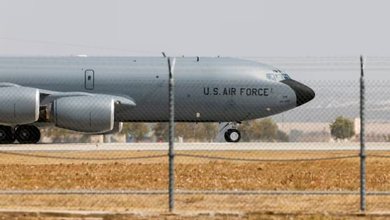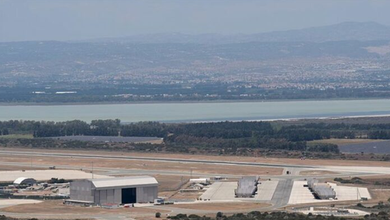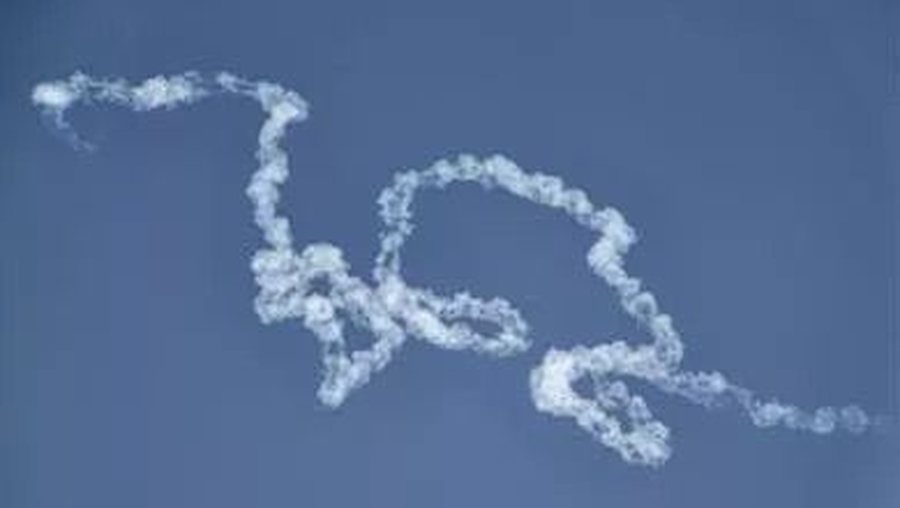
Tensions in the Middle East remain high, and on February 28, the United Arab Emirates activated its air defense system to stop Iranian ballistic missiles aimed at US bases and strategic targets in the region.
According to authorities, the system intervened in real time, destroying several missiles before they could hit targets such as the Al Dhafra Air Base, which houses Emirati and American forces.
A multi-layered defense: THAAD and Patriot
The success of the operation is linked to the Emirates' layered defense architecture, which combines two main systems:
• THAAD (Terminal High Altitude Area Defense), manufactured by Lockheed Martin, designed to intercept ballistic missiles in the final phase of their trajectory, at high altitudes.
• MIM-104 Patriot, which operates at lower altitudes to intercept missiles or aircraft that can escape the first layer of defense.
THAAD uses “hit-to-kill” technology, destroying the target through a very high-velocity kinetic impact, without the use of explosives. This increases accuracy and reduces the risk of secondary explosions.
Decisive seconds
Intercepting a ballistic missile is a technological challenge, as these vehicles can travel at speeds of over 20,000 kilometers per hour. The process involves:
1. Detection, through high-frequency radars such as the AN/TPY-2.
2. Tracking and analysis, where command centers calculate the trajectory to determine whether populated areas or critical infrastructure are at risk.
3. Launching interceptors, usually at altitudes of 40 to 150 kilometers.
The Emirates is the first country outside the US to put this complete layered defense system into practice.
Dangers to civilians
Although the technology works, it is not without consequences. Even after a successful interception, fragments of destroyed missiles can fall to the ground. On February 28, debris fell on Abu Dhabi, killing a civilian.
The expansion of these systems in the Persian Gulf is a direct response to Iran's ballistic missile arsenal, considered one of the countries with the largest missile inventory in the region. In a context where reaction time is measured in minutes, air defense has become a key element of the security of cities and military bases in the Middle East.