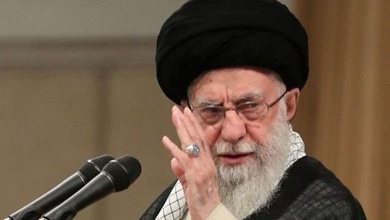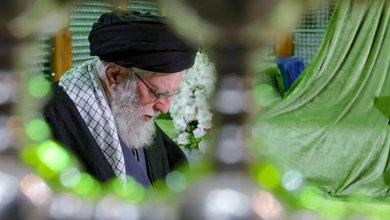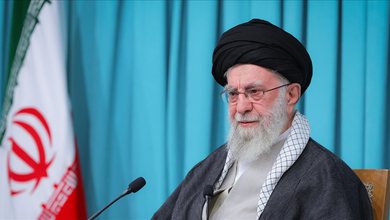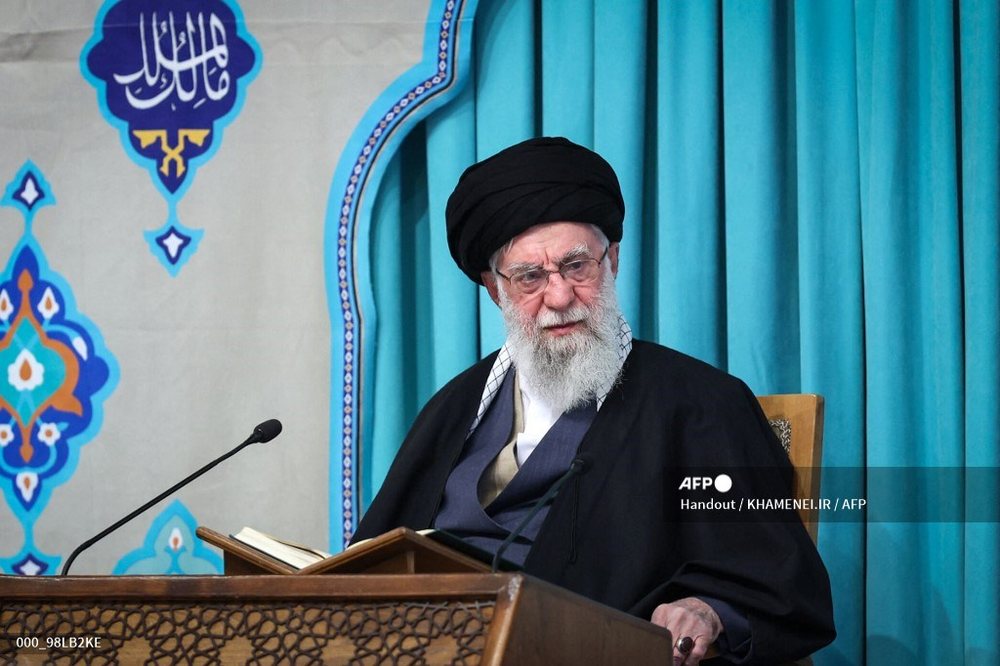
Iran's Supreme Leader Ali Khamenei, whose death was confirmed by state media on Sunday, was a pillar of the country's theocratic system since the Islamic revolution and weathered numerous crises over the decades, remaining defiant to the end.
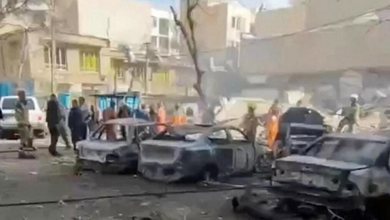
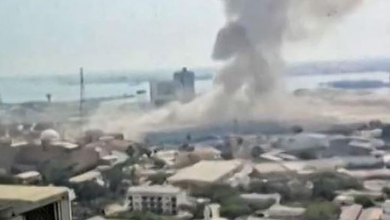
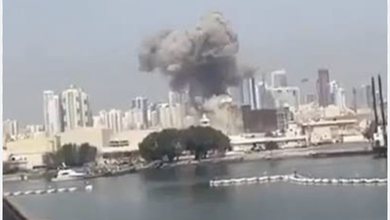
US President Donald Trump wrote on his Truth Social platform that "Khamenei, one of the worst men in history, is dead," after the United States and Israel launched a massive wave of attacks on targets across Iran, including the supreme leader's compound in Tehran.
A few hours later, Iranian state television announced Khamenei's death, without mentioning the attacks on the compound.
At the age of 86, Khamenei has dominated Iranian politics since 1989, when he assumed the post for life after the death of the revolution's founder, Ruhollah Khomeini.
He remained in power after enduring the student protests of 1999, the mass demonstrations of 2009 sparked by contested presidential elections, and the protests of 2019, which were violently suppressed.
Khamenei also survived the “Woman, Life, Freedom” movement of 2022–2023, sparked by the death in custody of Iranian Kurdish woman Mahsa Amini, who had been arrested for allegedly violating the strict dress code for women.
During the 12-day war against Israel in June, Khamenei was forced into hiding as Israeli intelligence's deep penetration of the Islamic Republic was exposed, leading to the assassination of key security officials through airstrikes.
However, he survived that conflict and, after new protests rocked Iran earlier this year, emerged defiant again.
Khamenei lived under extreme security measures, and his public appearances, which were relatively rare, were not announced in advance and were not broadcast live.
As supreme leader, he never went abroad, following the precedent set by his predecessor Khomeini after his triumphant return to Tehran from France in 1979.
His last known trip abroad was an official visit to North Korea in 1989 as president, where he met with Kim Il Sung.
There had long been speculation about his health due to age, but his latest appearance did not spark new rumors.
Khamenei's right wing was partially paralyzed after an assassination attempt in 1981, for which the authorities always blamed the People's Mujahedin of Iran (MEK) organization, once allies of the revolution but now banned in the country.
Arrested several times under the Shah's regime for anti-imperialist activism, Khamenei became the Friday prayer imam in Tehran after the Islamic revolution and also served on the front lines during the Iran-Iraq war.
He was elected president in 1981 after the assassination of Mohammad Ali Rajai, another attack attributed to the MEK.
In the 1980s, Khomeini's most likely successor was seen as senior cleric Hossein Ali Montazeri, but the revolutionary leader changed his mind shortly before his death, after Montazeri opposed the mass executions of MEK members and other dissidents.
When Khomeini died and the Islamic Republic's highest clerical body – the Assembly of Experts – convened, it elected Khamenei as its leader.
Initially, Khamenei rejected the nomination, putting his head in his hands in despair and declaring, “I am against it.” But the clerics rose unanimously to approve it, and his grip on power never weakened.
Khamenei worked with six elected presidents, a position far less powerful than that of the supreme leader, including more moderate figures like Mohammad Khatami, who were allowed to undertake cautious efforts at reform and rapprochement with the West.
However, in the end, Khamenei always sided with the hardline.
He is believed to have had six children, but only one, Mojtaba, gained public prominence. He was placed under US sanctions in 2019 and is considered one of the most powerful figures behind the scenes in Iran.
A family rift also drew attention: his sister Badri was separated from the family in the 1980s and fled to Iraq during the war to join her husband, a dissident cleric.
Several of her children, including a grandson who now lives in France, became fierce critics of the regime./AFP