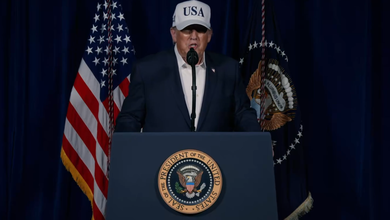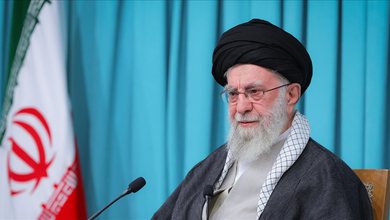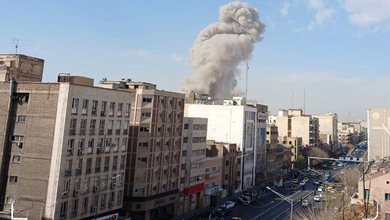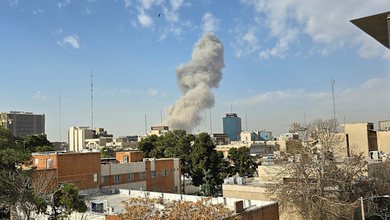
"To the members of the Islamic Revolutionary Guard Corps, the armed forces and all police, I say tonight that you must lay down your arms and have complete immunity or, conversely, face certain death," President Donald Trump said in his speech, announcing a "major" operation in Iran.
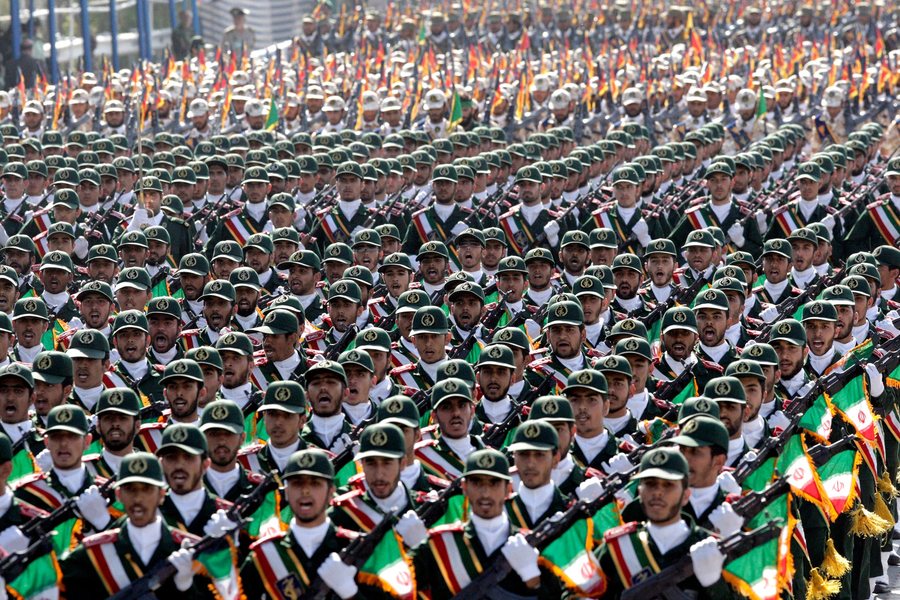
The Islamic Revolutionary Guard Corps (IRGC), the elite arm of the Iranian military, has supported the Iranian regime for decades. It is tasked with both fighting enemies abroad and suppressing protests at home. Here's what you need to know about it.
What is the IRGC and how did it start?
According to CCNN, the IRGC exists to “preserve” the theocracy. After Iran’s last monarch was overthrown in 1979, various paramilitary groups that helped hasten his downfall merged into the IRGC. It resisted initial attempts to integrate into the regular army and consolidated its power during its deployment in the Iran-Iraq War in the 1980s.
Today, it is the most powerful branch of Iran's military, independent of the regular army. Comprising 150,000 to 190,000 troops, it has an army, navy, air force, and an intelligence wing, and is heavily involved in Iran's civilian economy.
What is the Quds Force?
CNN reports that the Quds Force is an expeditionary unit made up of the IRGC's most elite fighters. Initially, it was tasked with overseas operations, starting with Hezbollah in Lebanon. Later, the force has supported several non-state actors in the Middle East, from Hamas in Gaza to the Houthis in Yemen and even the Taliban in Afghanistan during the 1990s.
What is Basij?
The Basij — another of the five branches of the IRGC — acts like the police: visible, at street level, inside the country. Meaning “mobilization” in Persian, the Basij is a volunteer group that recruits members from across the country, often from the poorest and most conservative classes. It is tasked with supporting the regime domestically and enforcing Islamic morality in public.
Taken from CNN