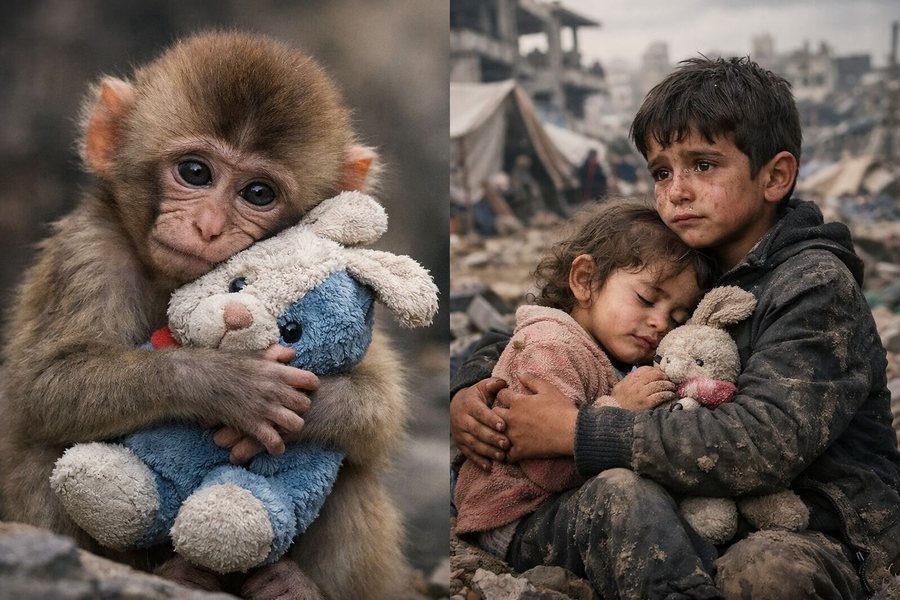
A young macaque monkey named Punch was abandoned by his mother. Alone, confused, he was filmed clinging tightly to a soft toy, as if it were the only thing he had left. The footage quickly spread on social media and touched millions of people around the world. His story became a symbol of fragility and the need for comfort.
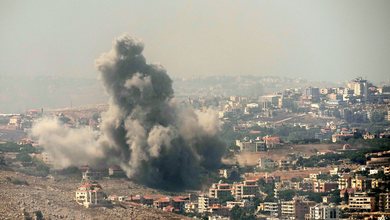
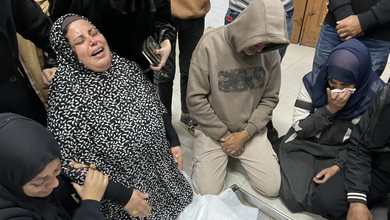
At the same time, in Gaza, thousands of children orphaned by the war are living among the rubble. Many have lost their parents, their homes and their safety in a matter of hours. Humanitarian organizations report deep psychological trauma, a lack of food, water and healthcare. Children sleeping in tents, holding pieces of toys left behind amidst the destruction, waking up at night in fear.
Punch's story showed how quickly global empathy can be mobilized for a vulnerable little one. But it also raises a silent question: why doesn't human pain, when massive and prolonged, produce the same wave of response?
Every child who loses a parent, who grows up amidst war and uncertainty, needs more than a moment of attention. They need protection, help, and a reminder that the world has not forgotten them.