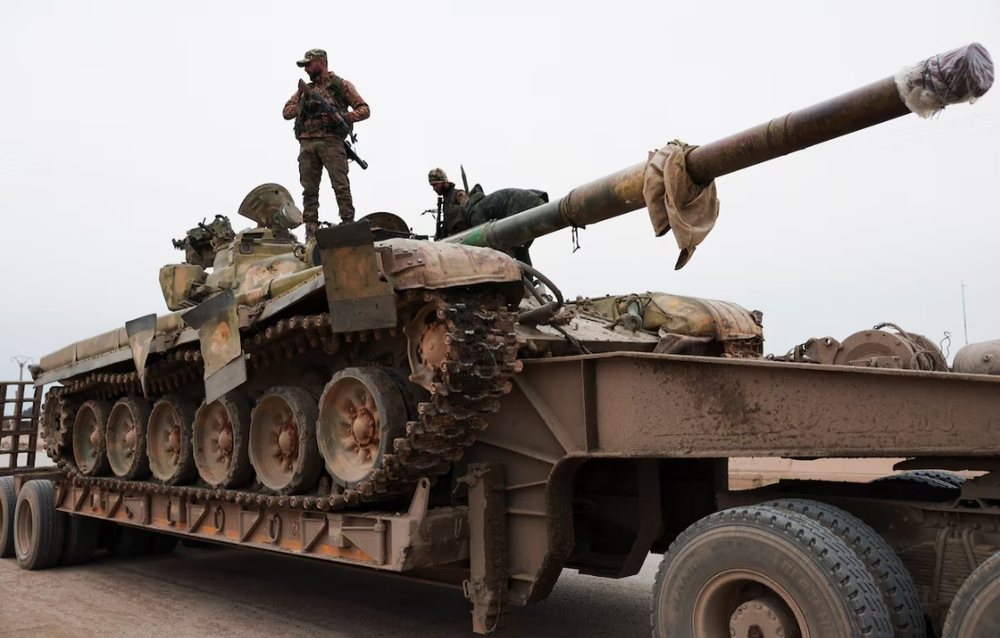
The commander of the main Kurdish forces has called on the United States to intervene more decisively to end the Syrian offensive, which in recent days has taken control of key territories from Kurdish fighters, Reuters reported.
Government troops launched an offensive on Saturday in areas that have been administered by semi-autonomous Kurdish authorities in northeastern Syria for about a decade. They have captured towns on both sides of the Euphrates River, as well as the country's largest oil field and a gas field, according to officials and security sources.
The commander of the People's Protection Units (YPG), Sipan Hamo, said a meeting on Saturday between US envoy Tom Barrack and Kurdish officials produced no concrete plan for a ceasefire. He denied that Syria's Kurds are seeking secession or the creation of an independent state, stressing that their future lies within Syria.
“Our greatest hope is that there will be a tangible result, especially from the coalition and the United States – that they will intervene more forcefully in the existing problems than they are currently doing,” Hamo said.
Syrian forces have continued to advance, despite calls from the US military's Central Command to halt the offensive.
Hamo said Kurdish authorities understand that Washington now needs to balance its long-standing alliance with Kurdish forces, which helped defeat the Islamic State in Syria, with its new support for the Syrian government under President Ahmed al-Sharaa. However, because of “Kurdish concerns about the changes that are taking place,” the US must provide them with protection guarantees.
"In the current situation and in the chaos we are living in, the only ones who can provide guarantees are the United States or the coalition," he added in a rare interview from Hasakeh province, which is still controlled by the Kurds.
"We believe that the responsibility for everything that is currently happening inside Syria falls on Western countries, and especially on the United States of America," Hamo stressed.
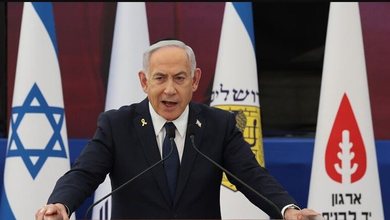
He denied that the YPG is receiving support from Iran or Russia, while hinting that he hopes for an Israeli intervention in defense of Syria's Kurds.
"Of course, we consider Israel a powerful state in the region with its own agenda. We hope that the stance that some countries in the region have taken towards certain minorities in Syria will also extend to the Kurds," Hamo said.
Asked if he was referring to Israel's stance toward the Druze minority last summer - when Israel carried out airstrikes on the defense ministry, near the presidential palace in Damascus and on Syrian troops advancing toward Druze towns - Hamo replied: "Of course."/Reuters